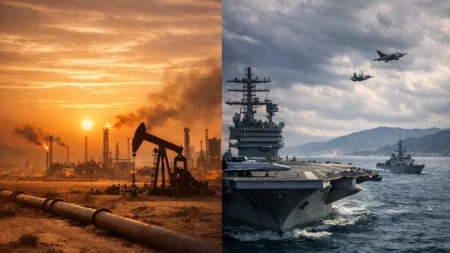
The international COP30 climate conference in Brazil became the center of passionate calls for change as environmental groups and climate scientists demanded that world leaders act swiftly to end the era of fossil fuels. Activists called the ongoing global reliance on coal, oil, and gas “self-destructive” and warned of severe climate disasters if governments do not accelerate the transition to clean energy.
Protesters and advocacy organizations gathered outside the summit venue, holding banners and organizing rallies to spread awareness about the dangers of climate inaction. They urged governments to make binding promises for drastic emission reductions, and to end fossil-fuel subsidies and exploration projects.

Inside the summit, delegates from nearly 100 nations debated policy proposals on renewable energy investments, climate finance, and stricter environmental regulations. A new draft agreement was circulated, targeting aggressive emissions cuts by 2035 and increased international support for economically vulnerable countries.

Experts and summit participants agreed on one central message: the time for delay is over, and meaningful reforms must begin now. The fate of future generations, activists argued, depends on how quickly the world can transition away from fossil fuels.