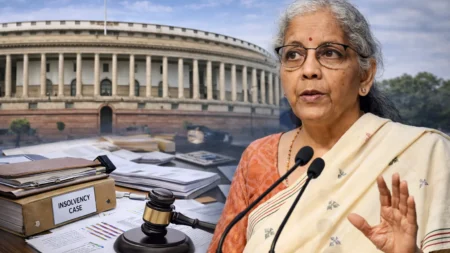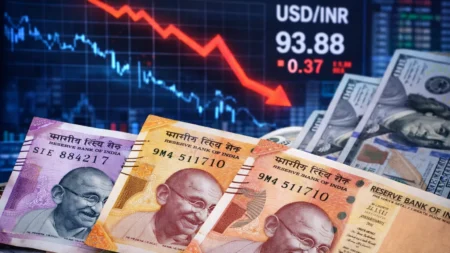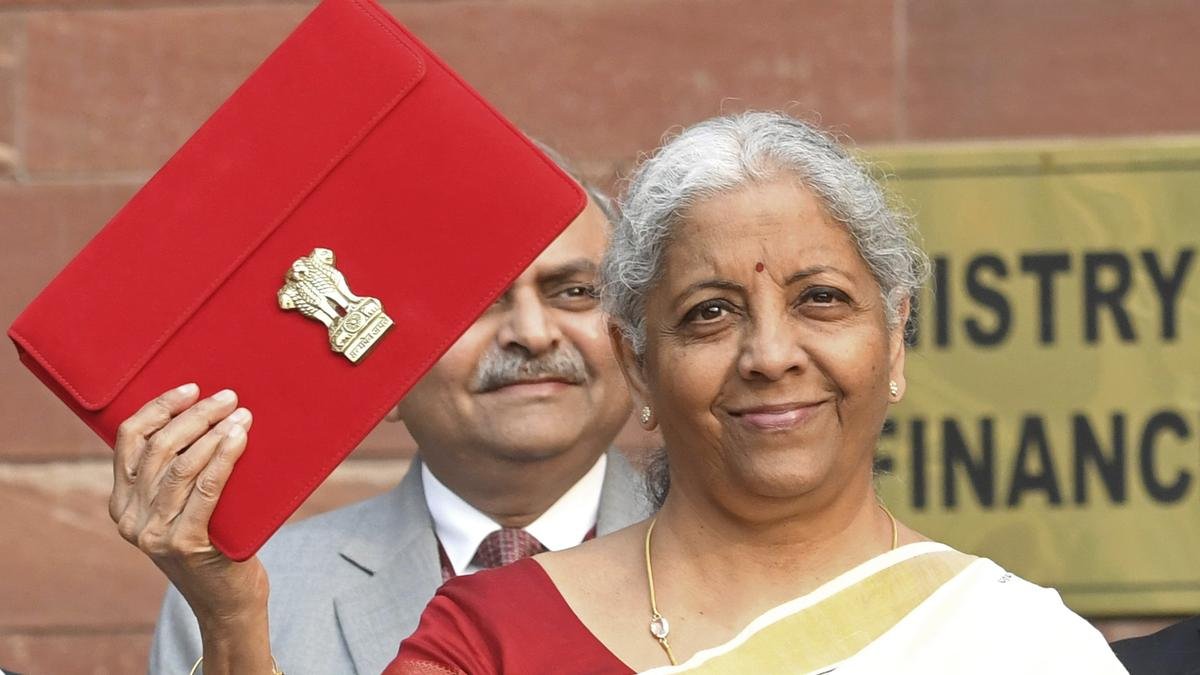
NEW DELHI: In the corridors of the North Block, history is being written not in ink, but in digital bytes. Finance Minister Nirmala Sitharaman is poised to present her ninth consecutive Union Budget, a feat that does more than just break records—it signals a profound shift in Indian governance: Continuity.
Beyond Morarji’s Shadow While headlines will inevitably compare her to former PM Morarji Desai, who presented 10 budgets (six consecutively), Sitharaman’s achievement is arguably more significant in the modern context. Her tenure has steered India through its most turbulent economic phase in recent memory—spanning the pre-pandemic slowdown, the COVID-19 shock, global wars, and now, the push for Viksit Bharat (Developed India).
The Evolution of the “Bahi Khata” Sitharaman’s nine budgets tell the story of a changing India. She famously ditched the colonial leather briefcase for the traditional red Bahi Khata, and later replaced that with a ‘Made in India’ tablet. This 9th budget is expected to continue that trajectory of modernization. Analysts suggest that this budget will likely move beyond “recovery” narratives to focus entirely on “acceleration.” With the 2026-27 fiscal year being crucial for India’s 5 Trillion dollar ambition, the focus is expected to be on capital expenditure (Capex) and green energy, rather than populist sops.
The Stability Factor For foreign investors, Sitharaman’s 9th appearance is a signal of policy predictability. In a world of shifting governments and flip-flopping economic policies, her consistent presence at the helm offers a reassurance that few other emerging markets can provide.