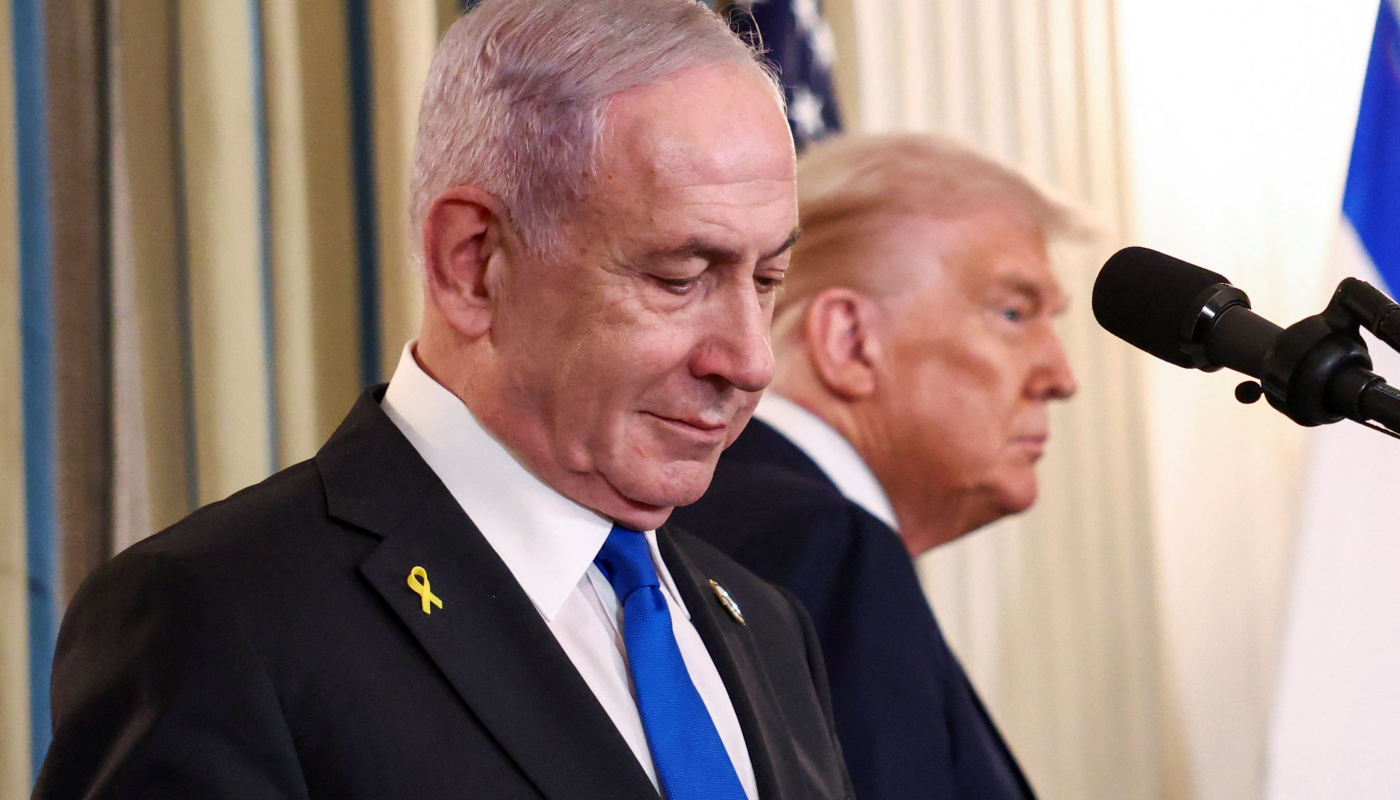
Israeli Prime Minister Benjamin Netanyahu is flying to Washington this week for an unscheduled, high-priority meeting with U.S. President Donald Trump. Originally planned for later in February, the visit was moved forward to Wednesday, February 11, reflecting the growing urgency in Jerusalem over the recent diplomatic thaw between Washington and Tehran.
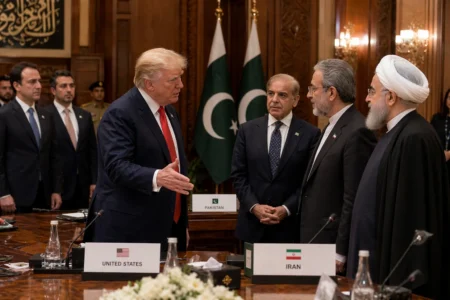
The meeting follows a “very good” first round of indirect talks between the U.S. and Iran in Oman last Friday. While President Trump has signaled that a deal focusing solely on preventing an Iranian nuclear weapon “would be acceptable,” Netanyahu is heading to the White House with a much tougher list of demands.
In a brief but pointed statement, the Prime Minister’s Office emphasized that “any negotiations must include limitations on ballistic missiles and a halting of the support for the Iranian axis.” For Israel, the threat is no longer just nuclear; the 12-day war with Iran last June has made Tehran’s massive arsenal of ballistic missiles a more immediate and existential concern.
Netanyahu’s visit is seen as a strategic push to align Trump’s “maximum pressure” rhetoric with Israel’s security red lines. While Secretary of State Marco Rubio has echoed the need for a comprehensive deal covering terror funding and human rights, the Israeli leadership is worried that a quick nuclear-only deal might leave Iran’s regional proxies—like Hezbollah and Hamas—stronger than ever.
The timing of the trip is also significant as it coincides with a period of heightened domestic activity in Israel. Just days before his departure, the Israeli security cabinet approved measures to expand settlements in the West Bank, a move that critics say is aimed at leveraging the Trump administration’s supportive stance.
As the two leaders meet for the seventh time since Trump’s return to power, the world will be watching to see if Netanyahu can convince his closest ally to play “hardball” or if the U.S. will prioritize a swift diplomatic exit from the Iranian nuclear standoff.