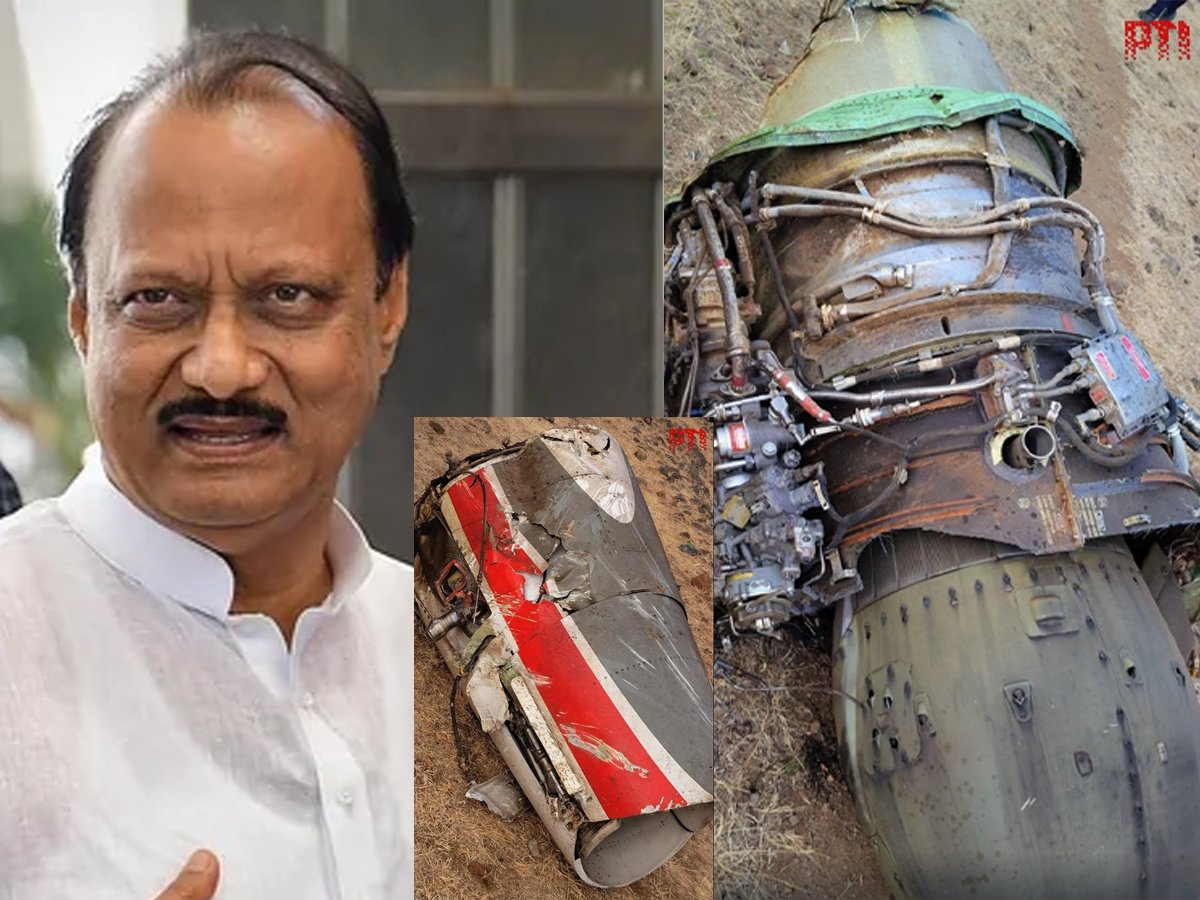
The Ministry of Civil Aviation (MoCA) has swung into action following the tragic aircraft accident in Baramati that claimed the life of NCP leader Ajit Pawar’s nephew, Parth Pawar’s cousin. Taking serious note of the safety lapses at smaller landing strips, the Ministry has directed the Directorate General of Civil Aviation (DGCA) and the Airports Authority of India (AAI) to conduct a thorough safety audit of over 200 uncontrolled airfields across the country.
Uncontrolled airfields are those that do not have a dedicated Air Traffic Control (ATC) tower to manage take-offs and landings. While these strips are vital for regional connectivity and private aviation, they often lack the stringent surveillance found at major international airports. The recent crash in Maharashtra has highlighted the hidden risks associated with these remote landing sites, ranging from poor runway maintenance to lack of emergency response teams.
According to Ministry sources, the inspection will focus on several critical parameters. Teams will evaluate the physical condition of runways, the presence of any structural obstructions in the flight path, and the availability of basic fire-fighting and medical facilities. The audit aims to identify “high-risk” airfields that may need immediate upgrades or, in extreme cases, temporary closure until safety standards are met.
Union Civil Aviation Minister Kinjarapu Rammohan Naidu emphasized that passenger and pilot safety is “non-negotiable.” He stated that while the government is pushing for the expansion of regional aviation under schemes like UDAN, the infrastructure must be foolproof. The investigation into the Baramati crash is currently being handled by the Aircraft Accident Investigation Bureau (AAIB), but the Ministry’s proactive move to audit other sites suggests a broader concern about systemic failures in private aviation infrastructure.
The aviation industry has long debated the regulation of small airfields. While pilots are trained to operate in “uncontrolled” environments using radio communication, any technical snag or sudden weather shift leaves very little margin for error without ground support. This nationwide safety drive is expected to bring much-needed standardization to India’s smaller aviation hubs, ensuring that a tragedy like the one in Baramati is not repeated.