Dhaka, Bangladesh 17 November 2025 : In a verdict that marks one of Bangladesh’s most turbulent political moments since independence, a special tribunal in Dhaka convicted former Prime Minister Sheikh Hasina of crimes against humanity for a deadly crackdown last year that resulted in hundreds of deaths. The judgment, handed down after months of high-profile trial, sentenced Hasina to death, a move expected to reverberate across the region and beyond.
Sheikh Hasina, who fled Bangladesh for India in August 2024 following escalating student-led protests and government upheaval, has denounced the entire process as politically motivated and called the International Crimes Tribunal a “kangaroo court.” Her family, including son Sajeed Wazed, has vowed mass protests and warned of potential escalation unless the ban on the Awami League party is lifted and broader reforms are reconsidered. In media interviews, Wazed described his mother as “outraged” and insisted supporters would not allow elections to proceed without fair representation.
The interim government, now led by Nobel laureate Muhammad Yunus, insists the judicial process remained impartial and called for calm, framing the reforms underway — including the proposed July Charter — as essential to breaking cycles of authoritarian rule. The new 26-point political reform plan proposes stricter checks and balances, a two-term prime minister limit, and formal acknowledgment of Bangladesh’s diversity.
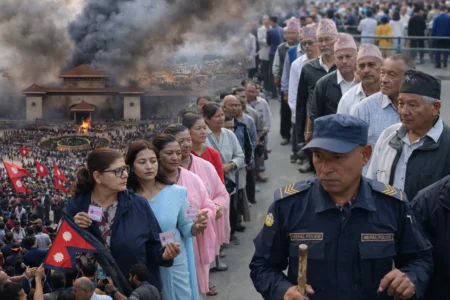
Security has been increased in Dhaka and surrounding regions, with bombings, arson, and widespread shutdowns disrupting daily life. The verdict was broadcast live amid anxiety over further violence and protests. International partners, notably India, are closely monitoring the situation as Bangladesh faces mounting instability ahead of a February 2026 national referendum and elections.
The decision ignited impassioned responses:
- Hasina’s supporters condemned the ruling as unjust and undemocratic, calling for nationwide resistance.
- The government called for restraint and criticized opposition leaders for instigating unrest.
- Rights groups and foreign diplomats urged Bangladesh’s authorities to safeguard legal rights and prevent further violence.
In summary, the sentencing of Sheikh Hasina stands as a watershed moment, deepening social divides and raising crucial questions about justice, political accountability, and the future of democracy in Bangladesh.