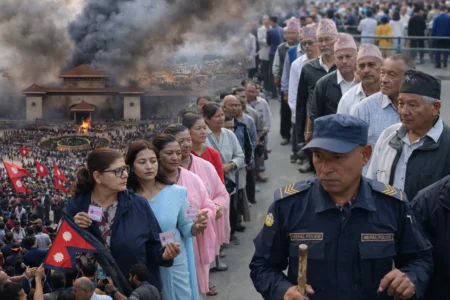
As the country braces for a pivotal moment in its political and judicial history, the government of Bangladesh has increased security deployments nationwide ahead of the International Crimes Tribunal’s verdict regarding allegations against former Prime Minister Sheikh Hasina. The charges, which relate to alleged crimes against humanity during her tenure, have attracted global attention and sparked intense debate.
Law enforcement agencies have established checkpoints in major cities, enhanced surveillance measures, and placed police units on standby in case of unrest. The verdict, expected today, is seen as a defining event for Bangladesh’s democracy, rule of law, and political stability.
Political analysts say the outcome will have far-reaching consequences: It could reshape public trust in the judiciary, affect the future of major parties, and set critical precedents regarding accountability for leadership conduct.
International observers, including human rights groups and foreign diplomats, are closely monitoring the proceedings. The government has called for calm and respect for legal institutions, warning against attempts to incite public disorder or violence.
As Bangladesh awaits the tribunal’s decision, citizens and leaders alike understand the gravity of the moment, hoping the verdict will be a step toward justice and democratic maturity.