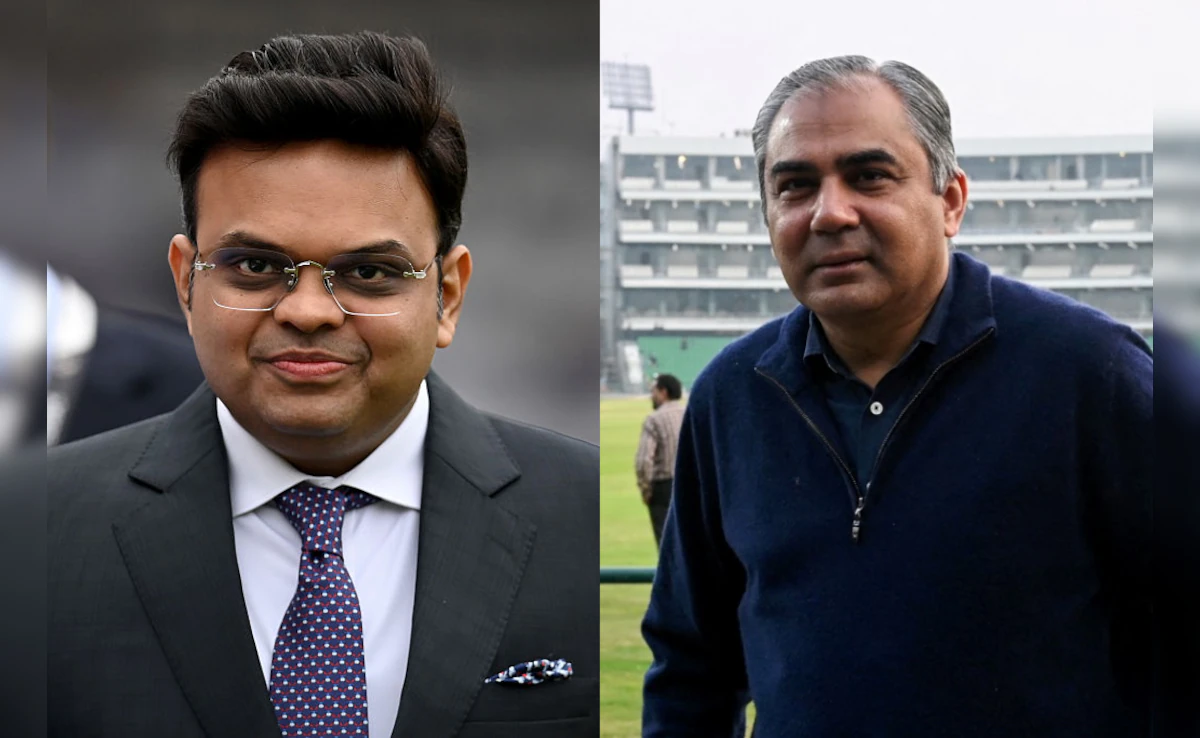
In the aftermath of Pakistan’s dramatic U-turn regarding their boycott of the T20 World Cup clash against India, the Board of Control for Cricket in India (BCCI) has stepped forward to credit the International Cricket Council (ICC) leadership. BCCI Vice-President Rajeev Shukla specifically praised ICC Chairman Jay Shah for orchestrating a resolution that protects the tournament’s integrity while navigating a complex web of geopolitical and sporting tensions.
The standoff, which had cast a shadow over the February 15 fixture in Colombo, officially ended after the Pakistan government withdrew its boycott call. This shift followed a series of diplomatic maneuvers involving the governments of Bangladesh and Sri Lanka. Shukla, speaking to reporters on Tuesday, expressed his gratitude toward the ICC office-bearers. “I would like to thank the ICC chairman and its office-bearers on behalf of the BCCI for finding a very good solution. This decision is vital for the game; cricket must go on,” Shukla stated.
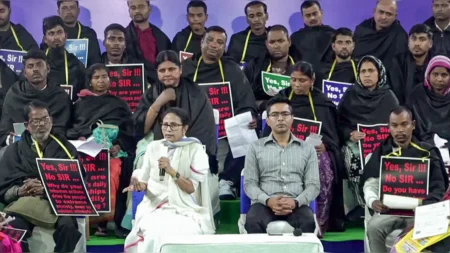
The roots of the crisis lay in Pakistan’s initial decision to boycott the match in solidarity with Bangladesh. The Bangladesh Cricket Board (BCB) had withdrawn from the tournament, citing security concerns about playing in India, and was subsequently replaced by Scotland. In a show of support, Pakistan threatened to skip the India game. However, a masterstroke of diplomacy appears to have softened the blow. The ICC reportedly agreed not to impose financial or sporting penalties on Bangladesh for their withdrawal, a concession that paved the way for the BCB to urge Pakistan to return to the field for the “greater good of the game.”
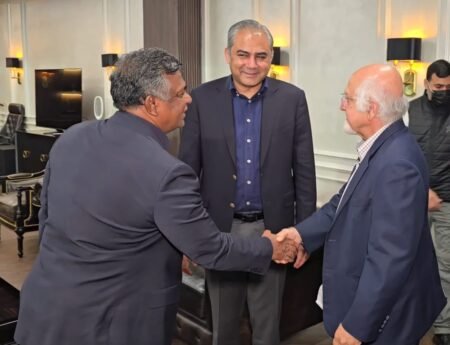
High-level political intervention also played a key role. Pakistan Prime Minister Shehbaz Sharif received personal calls from Sri Lankan President Anura Kumara Dissanayake, urging him to reconsider. Following a detailed briefing from PCB chief Mohsin Naqvi, the Pakistani government finally gave the green light.
For the BCCI and the Jay Shah-led ICC, the resolution is seen as a major victory. By avoiding a boycott of the tournament’s most profitable fixture, the ICC has ensured that the 2026 World Cup remains commercially viable. As the teams prepare for the showdown in Colombo, the focus returns to the stadium, though the boardroom drama of the past few weeks will not be easily forgotten.