BEIJING, March 19: China has stated that “peaceful reunification” with Taiwan could play a role in addressing long-term energy concerns, as geopolitical tensions in West Asia continue to escalate.
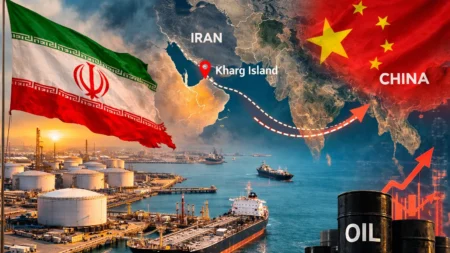
The remarks come amid rising concerns over the situation involving Iran, the United States and Israel, which has heightened uncertainty around global oil supplies and energy markets.
West Asia Conflict Raises Oil Supply Concerns
Tensions in the Middle East have intensified in recent weeks, particularly involving Iran and Israel, with the United States also closely engaged in the evolving situation.
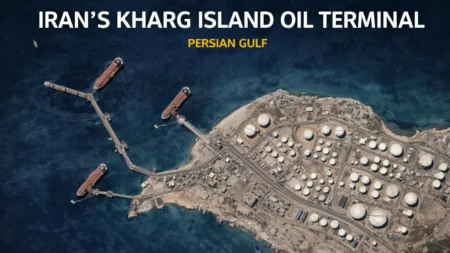
Analysts warn that any disruption in oil supply routes from the region could have significant global consequences, as West Asia accounts for a major share of the world’s crude exports.
Global energy markets have already shown signs of volatility, with fluctuations in crude oil prices reflecting concerns over potential supply disruptions.
China Links Taiwan Issue to Energy Security
China’s comments highlighted its long-standing position on Taiwan, describing reunification as part of its broader strategic and economic planning.
Officials suggested that stability in the Asia-Pacific region, including Taiwan, could contribute to securing supply chains and improving energy resilience.
Beijing has consistently maintained that Taiwan is part of its territory, while advocating for what it calls a “peaceful reunification” approach.
Global Implications and Strategic Concerns
Experts note that linking Taiwan to global energy security reflects China’s broader geopolitical messaging, especially at a time when multiple global flashpoints are active.
The intersection of Middle East tensions and Asia-Pacific dynamics is increasingly shaping global economic outlooks, particularly in the energy sector.
While no immediate policy changes were announced, the statement underscores growing concerns about how regional conflicts could impact global supply chains and energy stability.