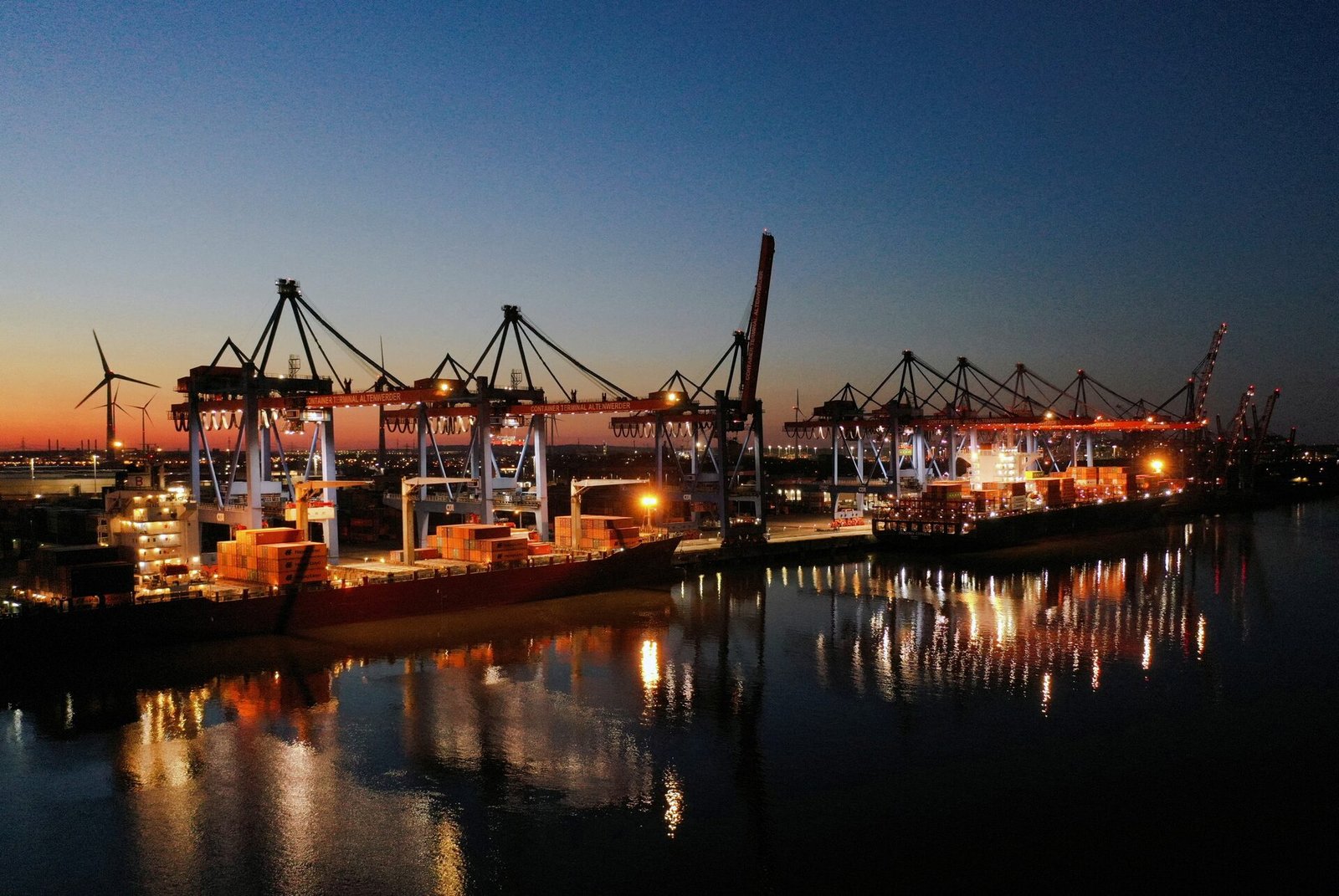
London | In corporate boardrooms from Frankfurt to Paris, the initial reaction to the US Supreme Court’s decision to strike down the sweeping global tariffs imposed by the Trump administration was one of undeniable jubilation. For “Europe Inc”—a collective shorthand for the continent’s massive export-driven conglomerates—the sudden removal of punitive import duties felt like waking up from an economic nightmare.
European automakers, aerospace manufacturers, and luxury goods titans watched their stock prices surge on Friday, anticipating a smooth return to highly profitable transatlantic trade. However, as the dust settles on this landmark legal ruling, financial analysts and corporate executives are realizing that this massive relief package comes with a significant sting in the tail.
The primary threat overshadowing the celebration is the looming volatility in the foreign exchange market. For months, aggressive tariff policies had acted as an artificial shield for the US dollar, keeping it exceptionally strong against the euro and the British pound. With the Supreme Court effectively dismantling that protective wall, currency markets are already aggressively repricing the greenback downwards.
For European exporters, a rapidly weakening dollar presents a massive, structural headache. When the euro strengthens, goods manufactured in Europe suddenly become much more expensive for American consumers. A German luxury sedan, advanced industrial machinery, or a designer handbag from France will soon carry a heftier price tag in US showrooms purely due to the exchange rate.
This sudden shift threatens to erode the competitive edge European companies just regained. They are now forced to choose between passing the higher costs onto consumers and risking lower sales volumes, or absorbing the currency hit and watching their profit margins shrink.
Beyond the currency conundrum, there is a second, equally dangerous “sting” emerging from the American bond market. As Enoxx News reported earlier, the sudden loss of tariff revenue has sparked intense fears about the expanding US national deficit, sending Treasury yields skyrocketing. This sharp rise in borrowing costs threatens to cool down the broader American economy.
For Europe Inc, an economic slowdown in the United States—its largest and most lucrative export destination—is the ultimate worst-case scenario. Even without the burden of tariffs, European businesses cannot thrive if the American consumer pulls back on spending due to higher interest rates and domestic financial instability.
While the Supreme Court’s verdict undeniably removes a massive political roadblock, the ensuing financial ripple effects are incredibly complex. European CEOs who popped champagne corks on Friday morning are now spending their weekends urgently recalculating their hedging strategies. The overarching sentiment across European financial capitals has quickly shifted from unbridled optimism to cautious pragmatism. They have won the battle against protectionist tariffs, but the war for global market share just got remarkably more complicated.