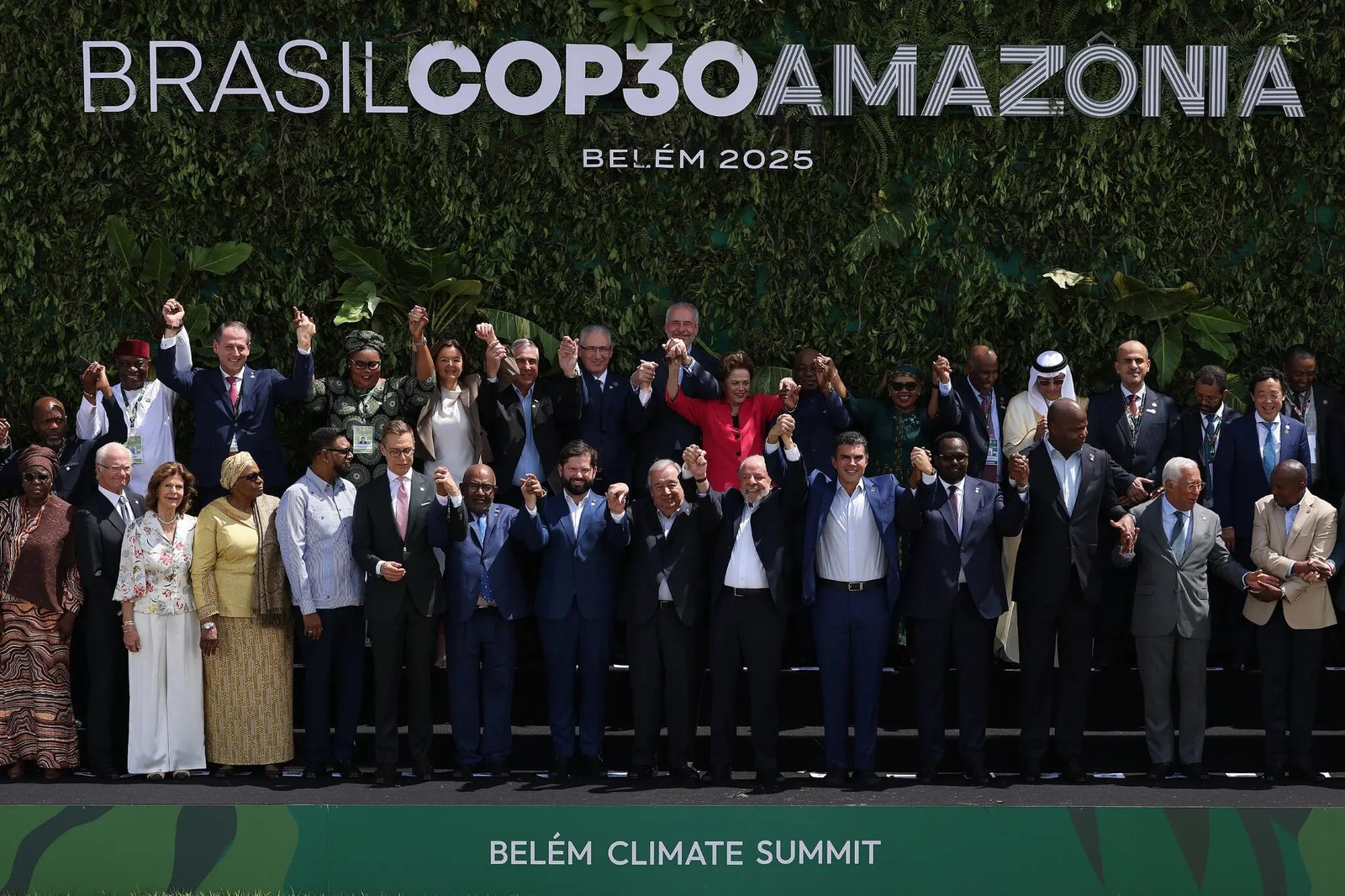
The much-anticipated 2025 Global Climate Summit concluded in Paris on November 16 with a landmark agreement among leaders of more than 100 nations to follow aggressive new targets for cutting greenhouse gas emissions. The final pact, described as a breakthrough by environmental activists, aims to limit global warming to below 1.5°C by including both developed and developing countries in legally binding emission reduction commitments.
Representatives from the world’s largest economies, including the US, China, India, and members of the European Union, pledged to accelerate their shift to renewable energy and phase out coal and other fossil fuels over the next decade. The summit saw heated negotiations around climate financing, adaptation funds, and transition timelines, with a consensus finally reached on increased financial assistance to the world’s most vulnerable countries.
Key features of the agreement include:
- A commitment to peak global emissions by 2028
- Doubling clean energy investment by 2030
- Establishing an international fund for climate loss and damage, supported by contributions from industrialized nations
Climate activists and scientists welcomed the outcome as a critical step, though they cautioned that success will depend on rigorous implementation and monitoring at the national and international levels. UN Secretary-General António Guterres hailed the summit outcomes as “a true moment of hope,” emphasizing that the world community has “placed humanity on the path to climate safety.”
Over the coming months, governments are expected to revise national laws and policies to meet their new targets, as environmental groups plan continued monitoring and advocacy to ensure meaningful action.