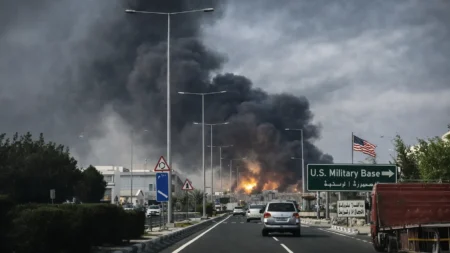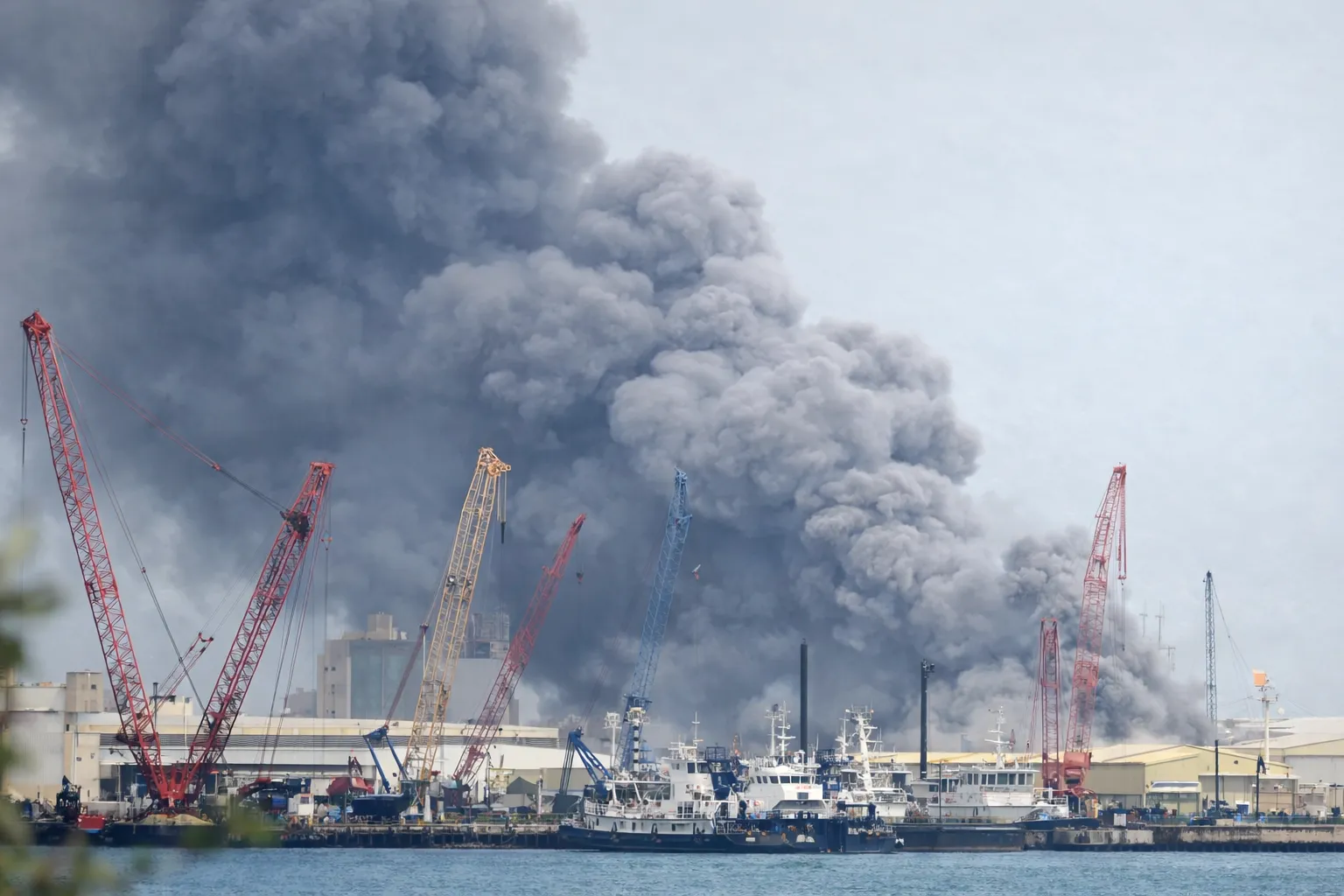
Dubai/Doha/Manama: Gulf Arab states are reassessing their security strategies after Iranian missile and drone attacks targeted sites across the region, raising questions about whether key US-aligned countries could be drawn more directly into a widening conflict.
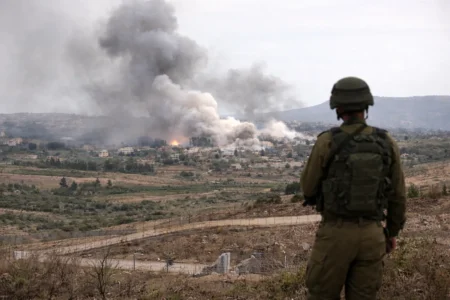
In recent days, explosions were reported near strategic installations in parts of the Gulf, including areas close to military facilities and energy infrastructure. Authorities in Qatar, the United Arab Emirates, and Bahrain confirmed that air defense systems intercepted several incoming projectiles, while investigations into debris and damage assessments continued.
Government officials across the region have condemned the attacks and reiterated their commitment to protecting national sovereignty. In separate statements, ministries in Doha and Abu Dhabi emphasized that defensive measures were activated swiftly and that critical infrastructure remained secure.
Bahrain’s interior ministry said security forces were on heightened alert and working closely with international partners. “We are coordinating with allied governments to ensure stability and safeguard residents,” a spokesperson said, without detailing further operational steps.
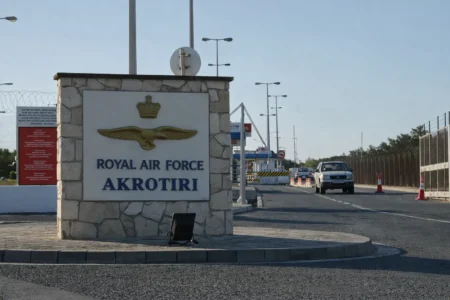
The incidents follow escalating hostilities involving Iran and the United States, with regional actors increasingly concerned about spillover effects. The Gulf states host key US military installations and have longstanding security partnerships with Washington, factors that place them in a sensitive position as tensions rise.
Analysts note that while Gulf governments maintain strategic alliances with the United States, they have also sought to avoid direct military confrontation with Iran in recent years. Diplomatic outreach, including regional dialogues and mediated talks, had aimed to ease tensions before the current crisis.
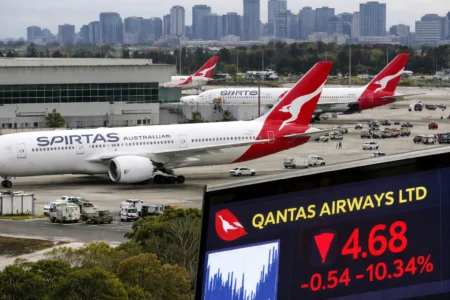
Energy markets have reacted cautiously, with oil prices fluctuating amid concerns over potential disruption to supply routes. The Gulf region accounts for a significant share of global energy exports, and shipping lanes such as the Strait of Hormuz remain critical to international trade.
Officials in the United Arab Emirates said there had been no confirmed impact on export operations but acknowledged that maritime security was under review. Qatar’s foreign ministry urged restraint from all sides, warning that further escalation could threaten regional stability.
Public response within Gulf capitals has been measured. Schools and businesses in some areas operated under increased security protocols, though there were no widespread reports of evacuations. Authorities encouraged residents to rely on official communication channels and avoid spreading unverified information.
The question facing Gulf leaders is whether continued attacks would necessitate a more direct role in military operations. So far, regional governments have framed their actions as defensive and have not announced retaliatory measures beyond reinforcing security systems.
Security expert Dr. Faisal Al-Najjar, based in Riyadh, said Gulf states are likely to prioritize containment. “These governments understand the risks of open conflict,” he said. “Their immediate focus is protecting infrastructure and preventing escalation rather than entering an expanded war.”
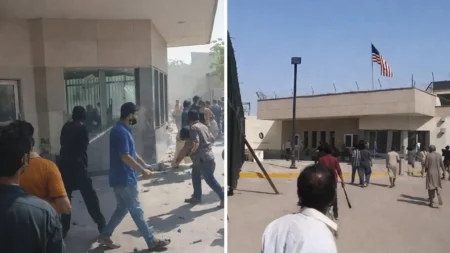
However, the presence of foreign military bases complicates the equation. Facilities hosting US forces could be viewed as potential targets, increasing pressure on host governments to coordinate closely with Washington.
In Washington, US officials have reaffirmed their commitment to regional partners. A senior administration representative stated that the United States is working with Gulf allies to strengthen defensive capabilities and deter further attacks.
The broader regional backdrop includes years of rivalry between Iran and several Gulf Arab states, often expressed through proxy conflicts and diplomatic disputes. Although relations had shown signs of cautious improvement in some cases, recent events have reversed that trajectory.
For residents and businesses, the primary concern remains stability. Financial markets in the Gulf experienced volatility, though central banks signaled readiness to maintain liquidity if needed. Aviation authorities also reviewed flight paths and airspace monitoring procedures as a precaution.
Diplomatic observers suggest that backchannel communications may intensify in the coming days as international actors seek to prevent the crisis from expanding further. The involvement of multiple regional capitals increases both the risks and the stakes.
While Gulf governments have not formally indicated plans to enter active hostilities, officials have made clear that national security will guide any decisions. The coming days are likely to determine whether the conflict remains contained or evolves into a broader regional confrontation.