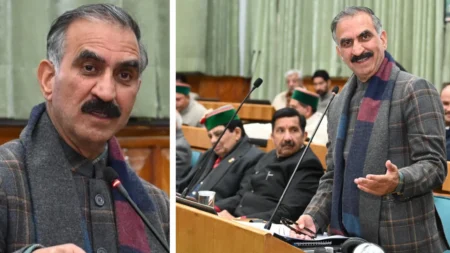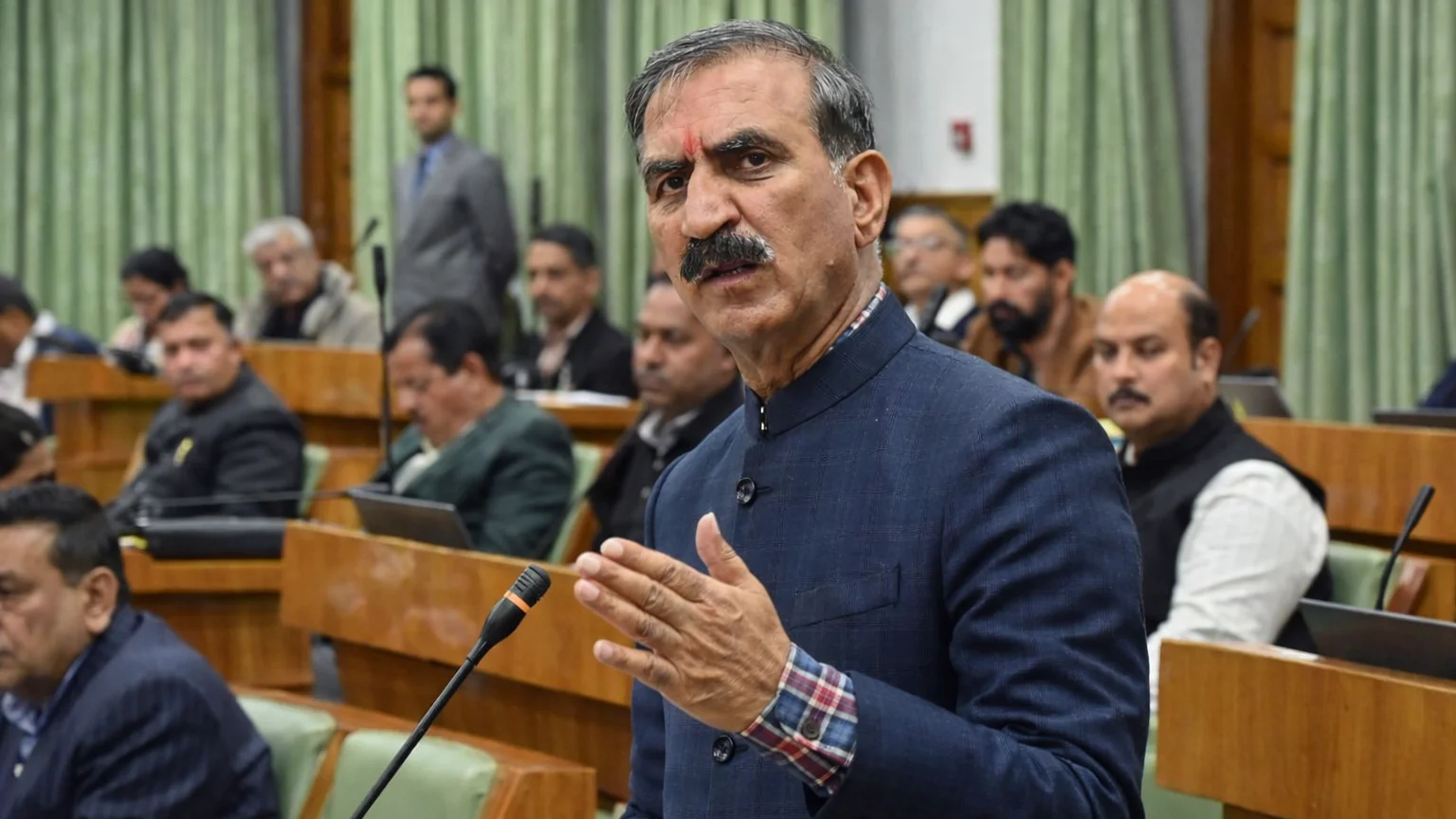
SHIMLA, March 23: The Himachal Pradesh Budget 2026–27, presented by Chief Minister Sukhvinder Singh Sukhu, places agriculture and horticulture, particularly the apple economy, at the centre of its rural strategy, but with a clear tilt toward long-term structural changes rather than immediate financial relief.
For a state where a majority of households depend on farming and allied activities, these measures carry significant weight. What stands out is not a single headline-grabbing announcement, but a series of incremental steps aimed at improving sustainability and income stability over time. The approach suggests a shift from short-term relief to structural correction.
The government has continued its push toward natural farming, presenting it as a way to reduce dependence on costly chemical inputs. Officials believe this could help farmers manage rising cultivation expenses, particularly in hill regions where logistics add to costs. At the same time, attention has been given to aging apple orchards, with rejuvenation programmes expected to improve productivity in key districts such as Shimla, Kullu and Kinnaur.
Changing weather patterns have already affected apple output in recent seasons, and the policy emphasis reflects growing concern over climate risks. The idea is to gradually replace older plantations with better-yielding varieties while improving resilience.
Another key area is post-harvest infrastructure, which has long been a weak point for apple growers. The government has indicated expansion of cold storage capacity and controlled atmosphere facilities, along with improvements in transport and logistics. These steps are expected to reduce the need for distress sales during peak harvest periods and allow farmers to hold produce for better prices.
The budget also signals a move toward income diversification. Support for dairy and animal husbandry is expected to provide farmers with additional income streams, reducing dependence on a single crop. Strengthening procurement systems and veterinary services forms part of this broader strategy.
Despite these structural measures, the absence of direct financial relief has drawn attention. Farmer groups had expected stronger intervention on price stabilisation, input subsidies or debt relief. However, no major announcements were made in these areas, reflecting the state’s fiscal constraints amid rising debt and deficit pressures.
Overall, the Himachal Budget 2026–27 presents a long-term approach focused on sustainability and infrastructure rather than immediate financial support. The effectiveness of this strategy will depend on implementation, particularly in improving market access and ensuring that benefits reach farmers on the ground.