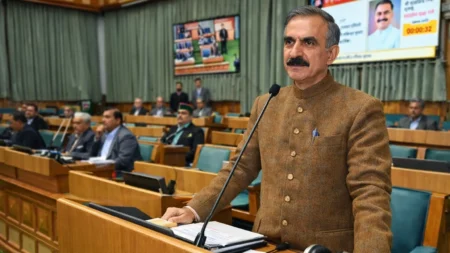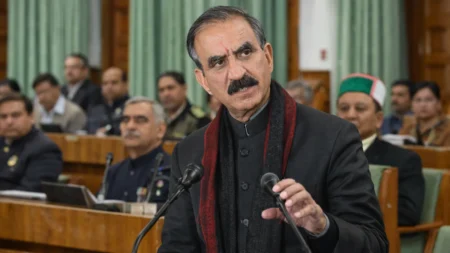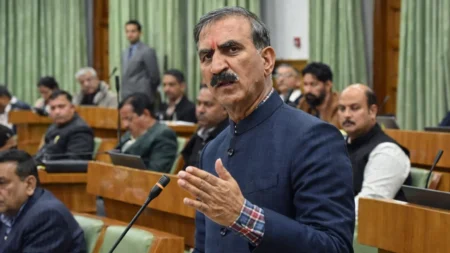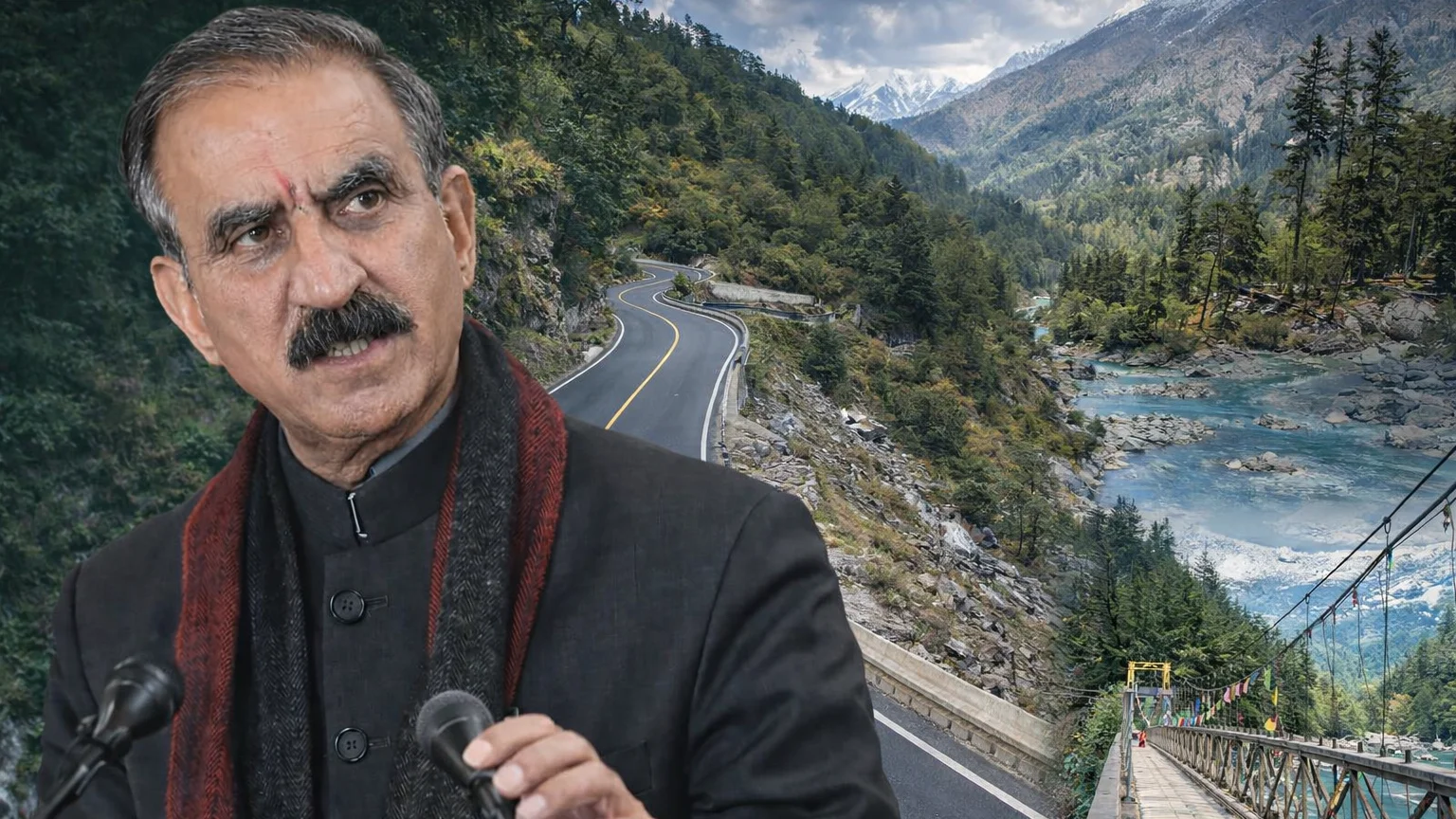
SHIMLA, March 23: The Himachal Pradesh Budget 2026–27 signals a clear attempt to link infrastructure development with economic growth, with Chief Minister Sukhvinder Singh Sukhu placing roads, tourism and urban expansion at the centre of the state’s development strategy.
With a total outlay of around ₹54,928 crore, the budget outlines a series of measures aimed at improving connectivity in remote areas while also expanding tourism infrastructure — a sector the government increasingly sees as a key revenue driver.
In a hill state where terrain often dictates opportunity, roads remain more than just infrastructure. They decide access — to markets, hospitals and, increasingly, tourism.
The government has indicated continued investment in road connectivity, particularly in rural and remote regions where access remains uneven. While no single large project dominates the announcements, the focus is on gradual expansion and improvement — widening key routes, strengthening link roads and improving maintenance.
Tourism Expansion Moves Beyond Traditional Circuits
Tourism, long seen as one of Himachal’s strongest economic pillars, gets renewed attention in this budget.
The government is looking to expand beyond the established circuits of Shimla, Manali and Dharamshala, with a push toward eco-tourism, religious tourism and lesser-known destinations. The idea is to reduce pressure on overcrowded areas while opening up new regions for economic activity.
Officials suggest that improving last-mile connectivity will be crucial to making these destinations viable. Without roads, tourism remains limited — a reality the budget appears to acknowledge.
There is also a growing emphasis on creating infrastructure that can support tourism year-round, rather than just seasonal peaks.
Township Plans and Urban Expansion
One of the more talked-about aspects of the budget is the proposal to develop new township projects in areas such as Kangra, Baddi and Sirmaur.
These projects are expected to attract investment and ease pressure on existing urban centres. While details are still emerging, the intent is to create planned spaces that combine residential, commercial and tourism potential.
In regions like Kangra Valley, where tourism and population pressures are both rising, such projects could reshape how urban growth unfolds.
Economic Link: Infrastructure as Growth Engine
The underlying idea running through the budget is clear — infrastructure is not just about development, but about economic expansion.
Better roads improve market access for farmers, tourism infrastructure generates employment and townships attract private investment. Each element is connected.
However, the pace of execution will be key. Himachal has seen ambitious announcements before, but delivery on the ground often faces delays due to terrain, funding constraints and administrative hurdles.
Conclusion
The Himachal Budget 2026–27 positions infrastructure and tourism as twin engines of growth, with roads acting as the backbone of both. While the announcements may not be dramatic, they point toward a steady, long-term approach to development.
If implemented effectively, these measures could reshape how the state connects, travels and grows. If delayed, they risk remaining on paper — a familiar concern in hill state development.