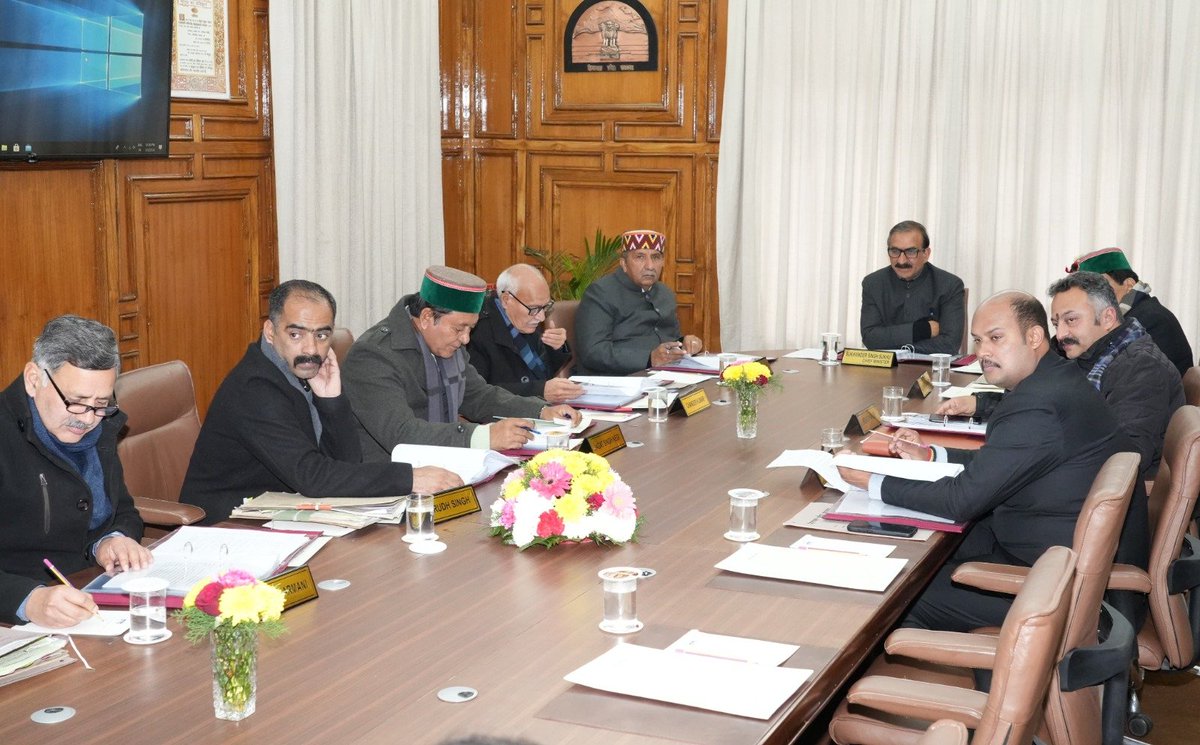
SHIMLA, March 19: Chief Minister Sukhvinder Singh Sukhu will present the Himachal Pradesh state budget for 2026–27 on March 21, and the state cabinet has been called to meet on March 23 to take follow-up decisions, officials said.
The second phase of the budget session resumed on March 18 and runs through early April, with 13 sittings planned; the assembly has received more than 800 questions and several notices that could shape the budget debate.
Why this budget is being watched
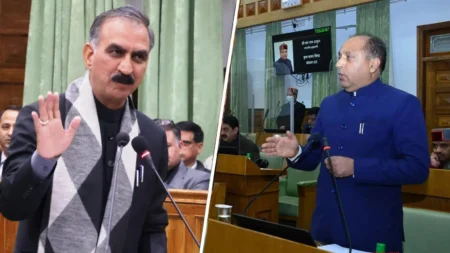
The 2026–27 budget comes as the Sukhu government completes three years in office. The Opposition has already flagged multiple unfulfilled announcements from earlier budgets and plans to press those issues during the debate. Leader of Opposition Jai Ram Thakur has said several promises — from EV subsidies and PET scans to large tourism projects and targeted scholarships — remain incomplete and will be raised when the CM presents figures.
Financially, the state faces constraints: analyses of recent budgets show a falling capital outlay and pressure on revenue expenditure. The PRS analysis of Himachal budgets (2025–26) notes declining capital spending and ongoing revenue–capital tradeoffs that the government has been managing through borrowing and reprioritisation. Officials recognise a recurring annual gap of several thousand crores that must be bridged through either higher receipts or tighter spending.
What to expect in the budget and the cabinet meeting
Officials indicate the 2026–27 budget will emphasise infrastructure, tourism, health and education, while balancing fiscal discipline. The cabinet meeting on March 23 is expected to finalise implementation calendars, departmental allocations and any immediate executive orders that follow the budget speech. The government may also table austerity measures already hinted at — including revoking certain allowances and deferring some payments — to stabilise finances. Recent actions such as withdrawing cabinet rank for board heads and deferring portions of emoluments point to such tightening.
Key areas to watch:
• Capital outlay and fresh project approvals (will it reverse the recent downward trend?)
• Measures to raise own-tax revenue or user charges versus cuts in subsidies and discretionary spending.
• Timelines for previously announced items such as EV subsidies, health infrastructure and tourism mega-projects.
Political stakes and process
The Opposition’s privilege notices and pointed questions — filed under assembly rules — raise the prospect that the Speaker may refer specific allegations for committee scrutiny. If admitted, such proceedings could compel production of records and slow the budget timetable. BJP leaders have already signalled a combative approach to hold the government accountable for earlier promises.
What this means for citizens
For residents, the immediate issues are practical: whether salary and pension commitments remain secure, whether subsidies or welfare transfers will be maintained, and how quickly projects affecting roads, water and health will move from announcement to delivery. Analysts say the budget needs to strike a balance between investment (to spur growth and jobs) and short-term fiscal restraint to keep borrowing under control.