Panchayat elections in Himachal Pradesh are an essential component of the state’s rural governance system, determining leadership at the village, block and district levels. As the state prepares for the next cycle of local body elections, questions around the election timeline, reservation roster and voting process have again come into focus.
The Panchayati Raj system in Himachal Pradesh functions through a three-tier structure that includes Gram Panchayats at the village level, Panchayat Samitis at the block level and Zila Parishads at the district level. These bodies are responsible for implementing development projects, managing local administration and delivering various welfare schemes.
Structure of Panchayati Raj Institutions
Himachal Pradesh has more than 3,000 Gram Panchayats that serve as the primary unit of rural governance. Each Gram Panchayat elects a Pradhan and ward members who represent different areas of the village.
At the next level are Panchayat Samitis, which operate at the development block level and coordinate activities among multiple Gram Panchayats. Zila Parishads function at the district level and play a supervisory role in planning and development initiatives.
This three-tier framework ensures that decision-making and development activities are carried out closer to the communities they affect.
Election Timeline and Process
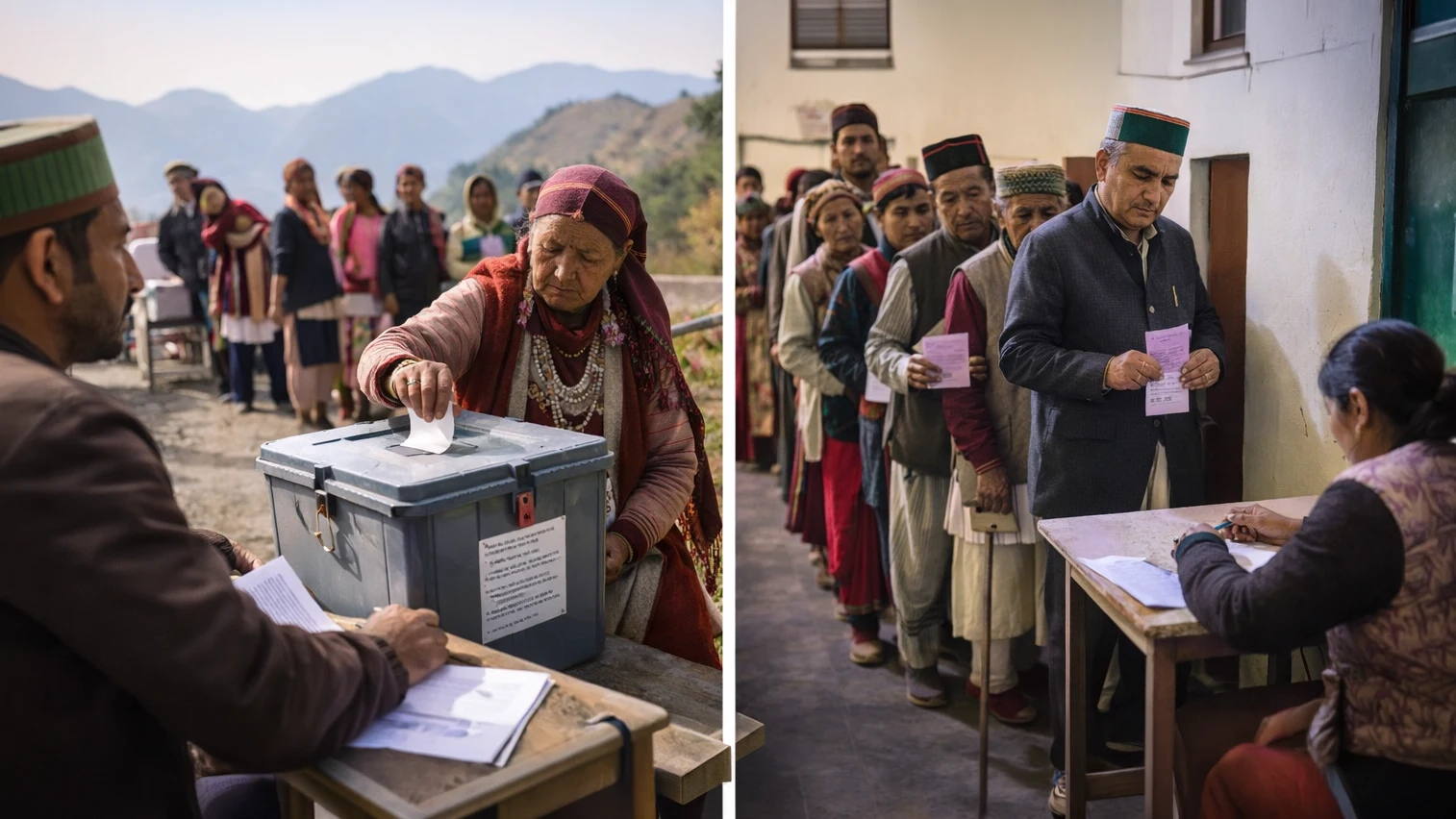
Panchayat elections in Himachal Pradesh are generally held every five years. The process begins with the state government notifying the election schedule after the completion of the tenure of the existing local bodies.
The State Election Commission oversees the entire electoral process, including preparation of voter lists, nomination procedures, polling arrangements and counting of votes.
Once the schedule is announced, candidates file nominations for various posts such as Panchayat Pradhan, ward member, Panchayat Samiti member and Zila Parishad member. Polling is typically conducted in phases across districts, followed by counting and declaration of results.
Reservation System in Panchayat Elections
A key feature of Panchayat elections in Himachal Pradesh is the reservation system designed to ensure representation for historically disadvantaged communities and women.
Seats are reserved for Scheduled Castes (SC), Scheduled Tribes (ST) and women in accordance with constitutional provisions and state laws governing local self-government institutions.
Reservation rosters are prepared before every election cycle. These rosters determine which constituencies will be reserved for specific categories, ensuring that representation rotates across different areas over time.
Officials say the roster preparation process is based on population data, administrative guidelines and legal provisions.
Role of Women in Local Governance
The reservation framework also guarantees a significant share of seats for women in Panchayati Raj institutions. In many local bodies, women occupy leadership positions as Panchayat Pradhans and members.
This representation has contributed to greater participation of women in decision-making at the grassroots level. Experts say it has helped bring attention to issues such as healthcare, sanitation, education and social welfare.
Background of Panchayati Raj in Himachal
The Panchayati Raj system in Himachal Pradesh gained stronger institutional backing after the 73rd Constitutional Amendment, which gave constitutional status to rural local bodies across India.
Following the amendment, states were required to conduct regular elections to Panchayati Raj institutions and implement reservation policies to ensure inclusive representation.
Over the years, Panchayats in Himachal have played a crucial role in implementing rural development programmes and managing community-level governance.
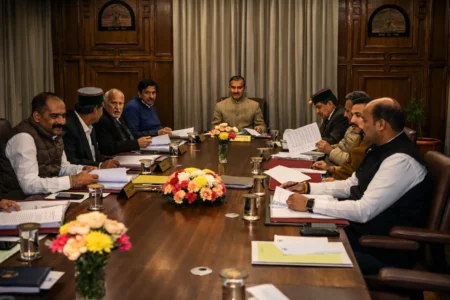
Himachal Cabinet Approves Reservation Roster for Panchayat ElectionsWhy This Matters
Panchayat elections influence governance in thousands of villages across Himachal Pradesh. The elected representatives are responsible for decisions related to local infrastructure, welfare schemes and development priorities.
The reservation system also affects political participation by ensuring that marginalized communities and women have opportunities to hold leadership positions.
For residents of rural areas, Panchayat elections represent one of the most direct forms of democratic participation.
What Comes Next
With the government approving the reservation roster for the upcoming elections, administrative preparations are expected to move forward in the coming months.
The State Election Commission will announce the detailed schedule once procedural requirements are completed. Local administrations are also expected to begin preparations for conducting polls across the state.