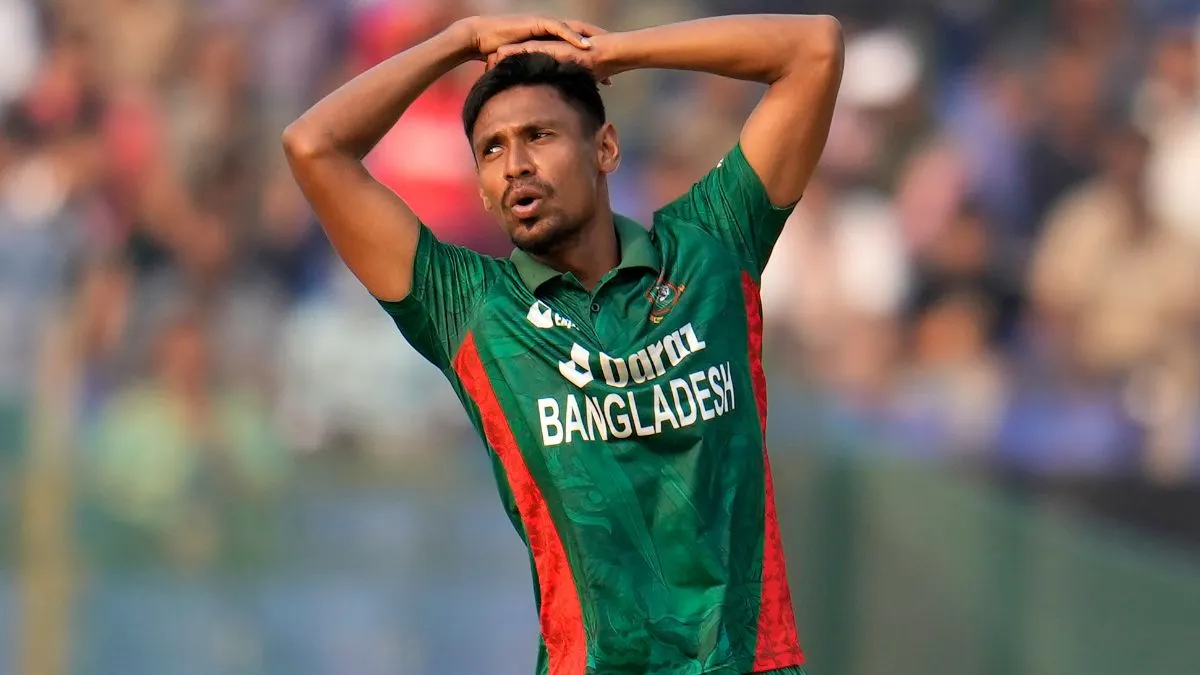
New Delhi, January 10, 2026 – In a move that highlights the growing intersection of sports and geopolitics, a quiet directive from the BCCI has effectively ended the IPL journey of Bangladesh’s star pacer, Mustafizur Rahman. The Kolkata Knight Riders (KKR), owned by Shah Rukh Khan’s Red Chillies Entertainment, were instructed to release Rahman just weeks after acquiring him for ₹9.20 crore.
While the BCCI cited “developments all around,” the move is widely seen as a response to the escalating diplomatic friction between New Delhi and Dhaka. Tensions have remained high since former Prime Minister Sheikh Hasina was granted exile in India following the 2024 uprising. Recent reports of violence against minorities in Bangladesh have further inflamed public sentiment in India, with leaders like BJP’s Navneet Rana stating that “no Bangladeshi celebrity should be entertained” while minorities are targeted.
A Ripple Effect Across Borders The fallout was immediate. Mustafizur Rahman has since signed with the Pakistan Super League (PSL), returning to the tournament after an eight-year gap. In retaliation, the Bangladesh government has banned the broadcast of the IPL nationwide, and the Bangladesh Cricket Board (BCB) has petitioned the ICC to move their T20 World Cup matches from India to Sri Lanka, citing security concerns.
From Bridge to Barrier Historically, cricket served as “soft power” diplomacy in South Asia. However, analysts suggest the “Mustafizur affair” marks a turning point where the sport is being used as a strategic instrument of political pressure. While Congress leader Shashi Tharoor warned against punishing individual players for political failures, the BCCI’s decision reflects a broader national stance on security and bilateral reciprocity.
As India prepares to co-host the T20 World Cup starting February 7, 2026, the ICC finds itself in a diplomatic deadlock. While the ICC has assured the BCB of safety, Dhaka remains firm on its demand for a neutral venue, potentially forcing another “hybrid model” similar to the 2025 Asia Cup.