In a monumental step toward prioritizing women’s health and preventive care, the Indian government is preparing to launch a nationwide, free Human Papillomavirus (HPV) vaccination drive. According to sources confirmed by Enoxx News, this ambitious public health initiative is specifically tailored for adolescent girls, with a primary focus on 14-year-olds across the country. The ultimate goal is to combat and eliminate cervical cancer, a disease that claims tens of thousands of lives in India every year.
Cervical cancer currently stands as the second most prevalent cancer among Indian women. Official health data paints a grim picture, recording approximately 80,000 new cases and over 42,000 deaths annually. Medical experts note that persistent infections caused by high-risk HPV strains—most notably types 16 and 18—are responsible for more than 80 percent of these cervical cancer cases. By introducing this vaccine, the government hopes to drastically lower these alarming statistics and provide long-lasting immunity to the next generation of women.
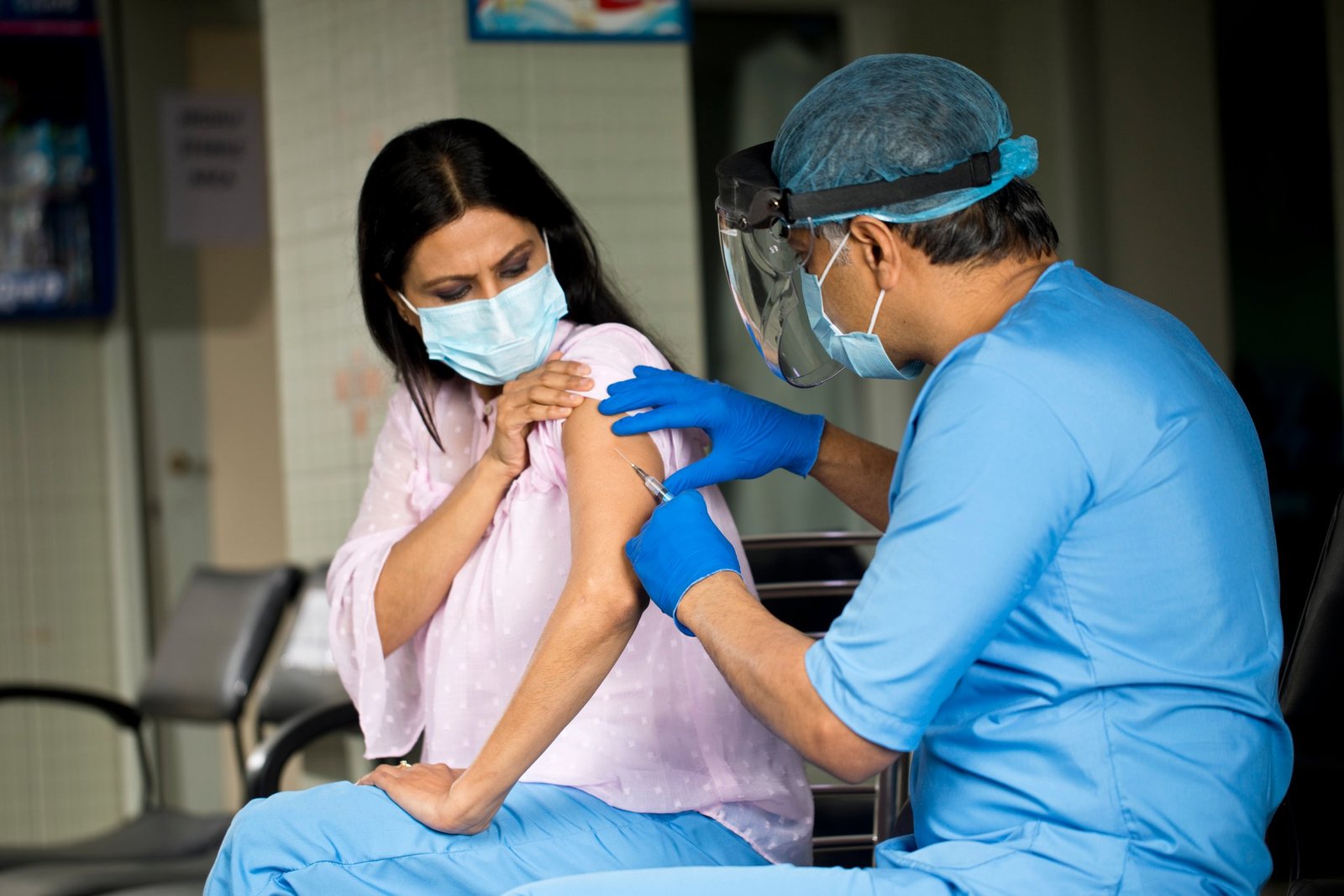
The vaccination program will be entirely voluntary and offered at zero cost to families. To ensure maximum reach and accessibility, the shots will be administered at designated government health facilities. These include Ayushman Arogya Mandirs, community health centers, district hospitals, and government medical colleges. Health ministry officials have emphasized that all vaccination drives will be conducted under the strict supervision of trained medical officers. Comprehensive systems are also being put in place for post-vaccination observation to manage any rare adverse events seamlessly.
For this nationwide rollout, India has chosen the quadrivalent HPV vaccine, Gardasil. This specific vaccine offers robust protection against HPV types 16 and 18, which are directly linked to cervical cancer, as well as types 6 and 11. Supplies for the enormous campaign have been secured through a globally supported procurement mechanism under India’s partnership with Gavi, the Vaccine Alliance. This collaboration ensures that the vaccines meet the highest regulatory and cold-chain standards.
The decision to launch this initiative follows rigorous scientific evaluation and recommendations by the National Technical Advisory Group on Immunisation (NTAGI). With this move, India proudly joins a list of over 160 countries that have successfully integrated the HPV vaccine into their national immunisation schedules. Globally, the vaccine boasts a stellar safety and efficacy record, with over 500 million doses administered since 2006. Health authorities have reviewed extensive evidence proving the vaccine is between 93 and 100 percent effective in preventing cervical cancer caused by the targeted strains.
Medical professionals strongly advocate for administering the vaccine at the age of 14. At this developmental stage, the vaccine provides the highest possible preventive benefit because it is given well before any potential exposure to the virus. Global and Indian clinical studies have consistently shown that vaccinating girls in this specific age bracket leads to a significantly stronger and more durable immune response.
This proactive healthcare measure marks a turning point in India’s medical landscape, promising a healthier, cancer-free future for millions of young women.