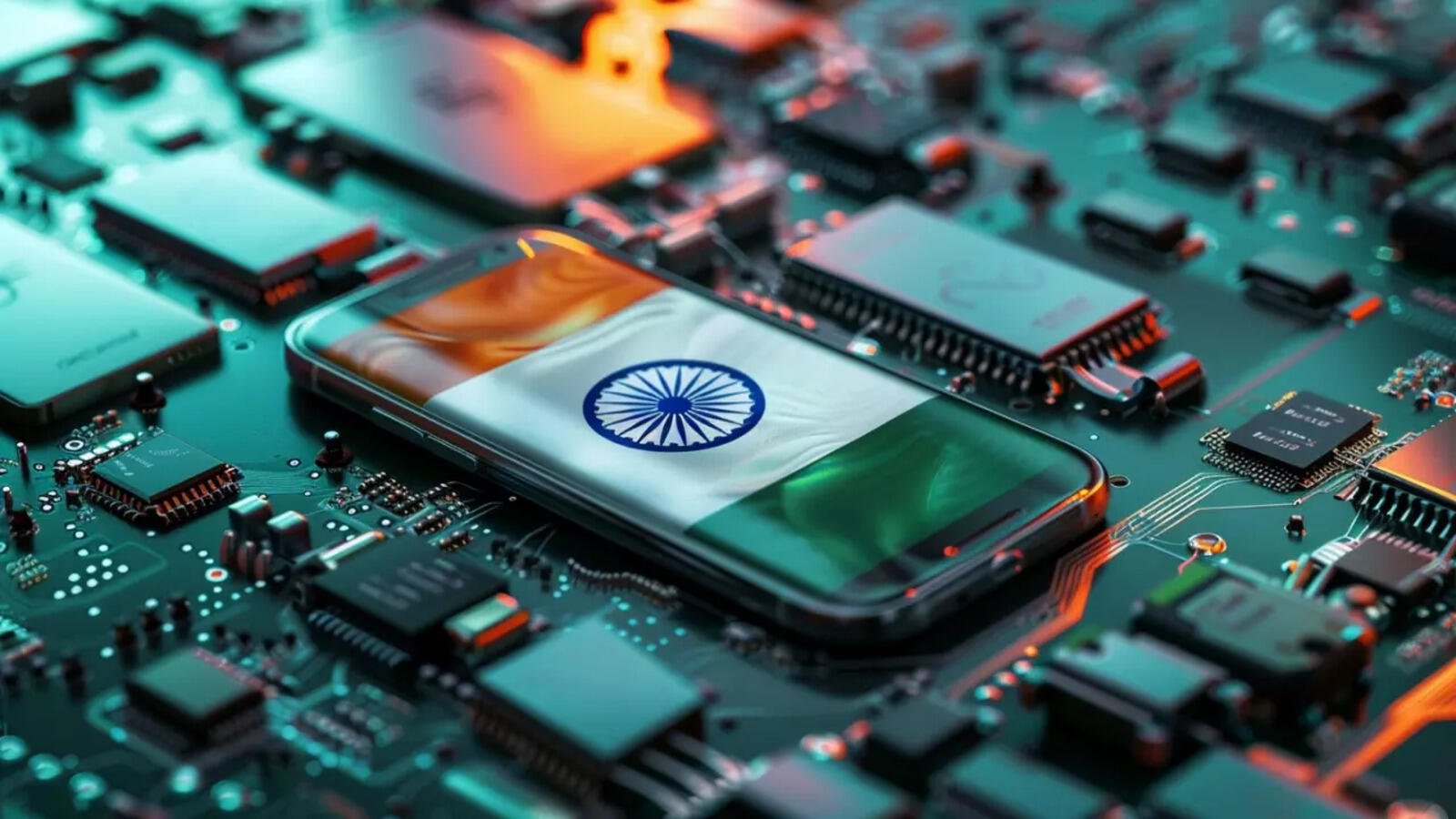
New Delhi, January 11, 2026 – The Indian government is reportedly planning a significant overhaul of the country’s mobile security framework. According to a proposal by the Ministry of Electronics and Information Technology (MeitY), smartphone manufacturers operating in India may soon be mandated to provide access to their source code and allow rigorous security testing of their operating systems.
Key Features of the Proposal:
- Source Code Scrutiny: Manufacturers would have to share the source code of their operating systems and core apps with government-authorized labs for deep-level security audits.
- Pre-installed App Restrictions: The government plans to strictly regulate pre-installed applications (bloatware) that cannot be deleted, citing concerns over unauthorized data harvesting.
- Backdoor Checks: The primary goal is to verify that devices do not contain “backdoors” that could allow foreign agencies or hackers to access sensitive citizen data.
Impact on Global Giants This proposal is expected to face stiff resistance from global tech giants like Apple, Samsung, and Chinese manufacturers like Xiaomi and Vivo. These companies traditionally guard their source code as highly confidential intellectual property. Analysts suggest that such a move could lead to trade tensions, similar to the hurdles faced by tech firms in China.
The “Security First” Approach The move comes amid rising concerns over sophisticated spyware (like Pegasus) and the increasing number of cyberattacks targeting Indian infrastructure. Government sources claim that without verifying the “blueprint” of the software, complete digital sovereignty cannot be achieved.