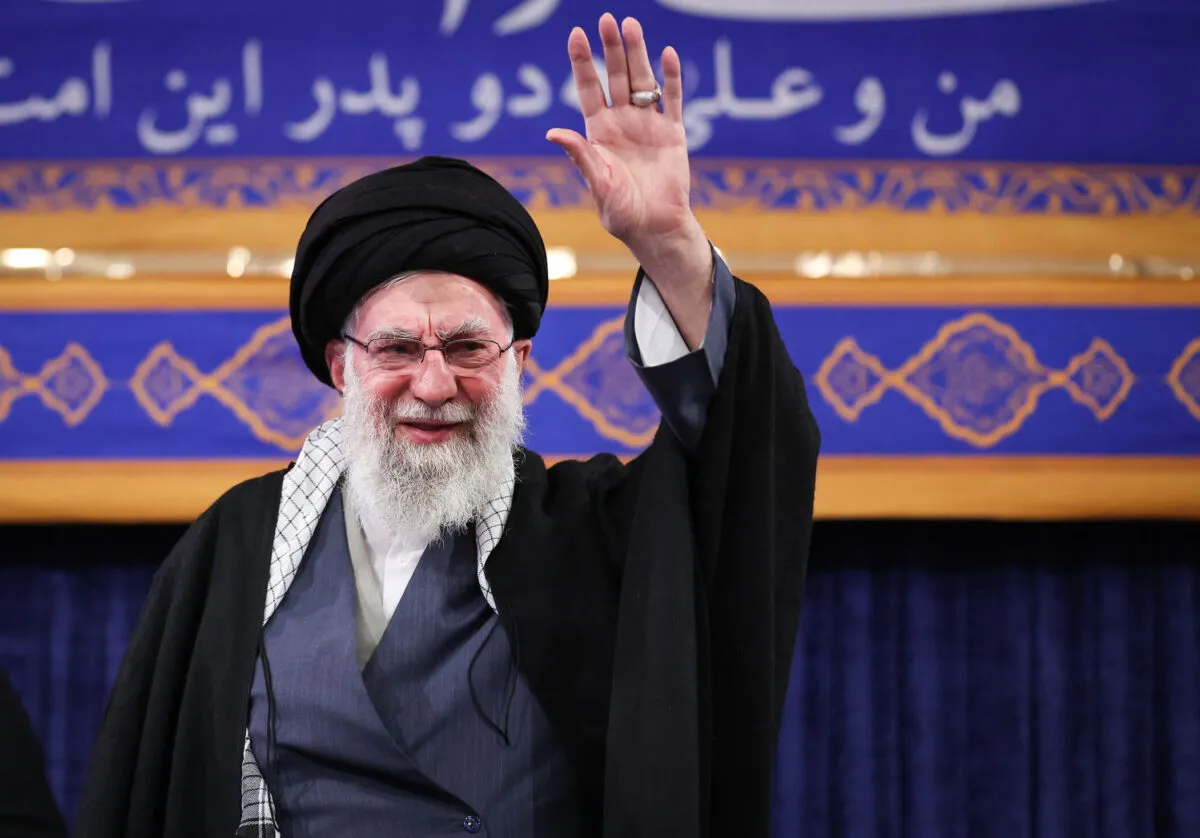
Tehran: Iran has announced a 40-day period of national mourning following the death of Supreme Leader Ayatollah Ali Khamenei in what authorities described as a targeted strike carried out by the United States and Israel. The development marks a significant moment in the country’s political history and has heightened tensions across the Middle East.
In a statement broadcast on state television, senior Iranian officials confirmed Khamenei’s death and declared nationwide mourning ceremonies. Government offices, religious institutions and public spaces began organizing commemorative events, while flags were lowered to half-mast in several cities, including Tehran, Qom and Mashhad.
Iran’s President addressed the nation shortly after the announcement, describing Khamenei as a central figure in the country’s political and religious leadership for over three decades. The president said the government would ensure continuity in governance and security during the transition period. The statement did not provide detailed information about the circumstances of the strike but described it as an act of aggression.
There was no immediate confirmation from US or Israeli authorities regarding the incident. Officials in Washington and Tel Aviv have not publicly acknowledged involvement in the reported attack. However, regional observers noted that tensions between Iran, Israel and the United States have escalated in recent months, particularly over security issues and Iran’s regional activities.
Iran’s armed forces issued a separate statement pledging what they termed a “measured and strategic response.” Military officials emphasized that the country would safeguard its sovereignty and national interests while urging citizens to remain calm. Security measures were visibly tightened in major cities, with additional patrols reported near key government and religious sites.
Ayatollah Khamenei, who became Supreme Leader in 1989 following the death of Ayatollah Ruhollah Khomeini, played a central role in shaping Iran’s domestic and foreign policy. As the country’s highest authority, he oversaw critical decisions related to defense, nuclear negotiations and regional alliances. His tenure spanned periods of economic sanctions, diplomatic negotiations and regional conflict.
Under Iran’s constitutional framework, the Assembly of Experts is responsible for appointing a new Supreme Leader. Political analysts expect the body to convene in the coming days to begin the formal succession process. Iranian officials have indicated that institutional mechanisms are in place to ensure stability during the transition.
The announcement has drawn reactions from across the region. Several governments called for restraint, emphasizing the need to avoid further escalation. International organizations also urged calm, warning that any expansion of hostilities could have far-reaching implications for global security and energy markets.
Iran is a major oil producer, and developments within the country often influence global crude prices. Following news of Khamenei’s death, energy markets showed signs of volatility as traders assessed the potential impact on regional stability. Aviation authorities in parts of the Middle East reportedly reviewed flight routes as a precautionary measure, though no widespread disruptions were confirmed.
Public gatherings were held in multiple Iranian cities, with citizens attending prayer ceremonies and commemorative events. State media reported that religious leaders and senior officials would oversee mourning programs over the next 40 days, a traditional observance period in Shia Islam.
The broader geopolitical context remains uncertain. Relations between Iran and Israel have long been marked by hostility, with periodic confrontations and allegations of covert operations. The United States has also maintained a complex relationship with Iran, shaped by sanctions, diplomatic negotiations and regional security concerns.
As the mourning period begins, attention will likely shift toward the succession process and the direction of Iran’s domestic and foreign policy in the months ahead. Political stability within Iran and responses from regional actors will be closely watched by governments and markets worldwide.