Washington/Jerusalem, March 7 — The conflict between Iran and Israel entered its second week on Saturday, with tensions rising further after U.S. President Donald Trump called for Iran’s “unconditional surrender,” while military exchanges between the two countries continued across several fronts.
The ongoing hostilities have raised fears of a broader regional escalation as air strikes, missile launches, and military mobilization continue to affect large areas in the Middle East. Diplomatic efforts to contain the crisis have so far failed to produce a breakthrough.
Escalating Military Activity
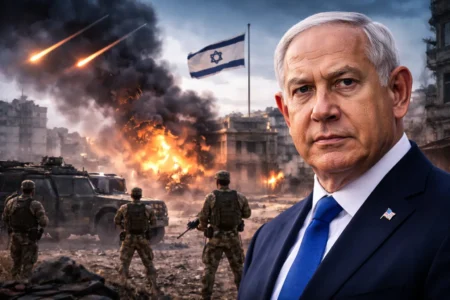
Israeli forces have continued targeting Iranian military facilities and infrastructure, according to officials familiar with the operations. The strikes are part of a broader campaign aimed at weakening Iran’s military capabilities and limiting its regional influence.
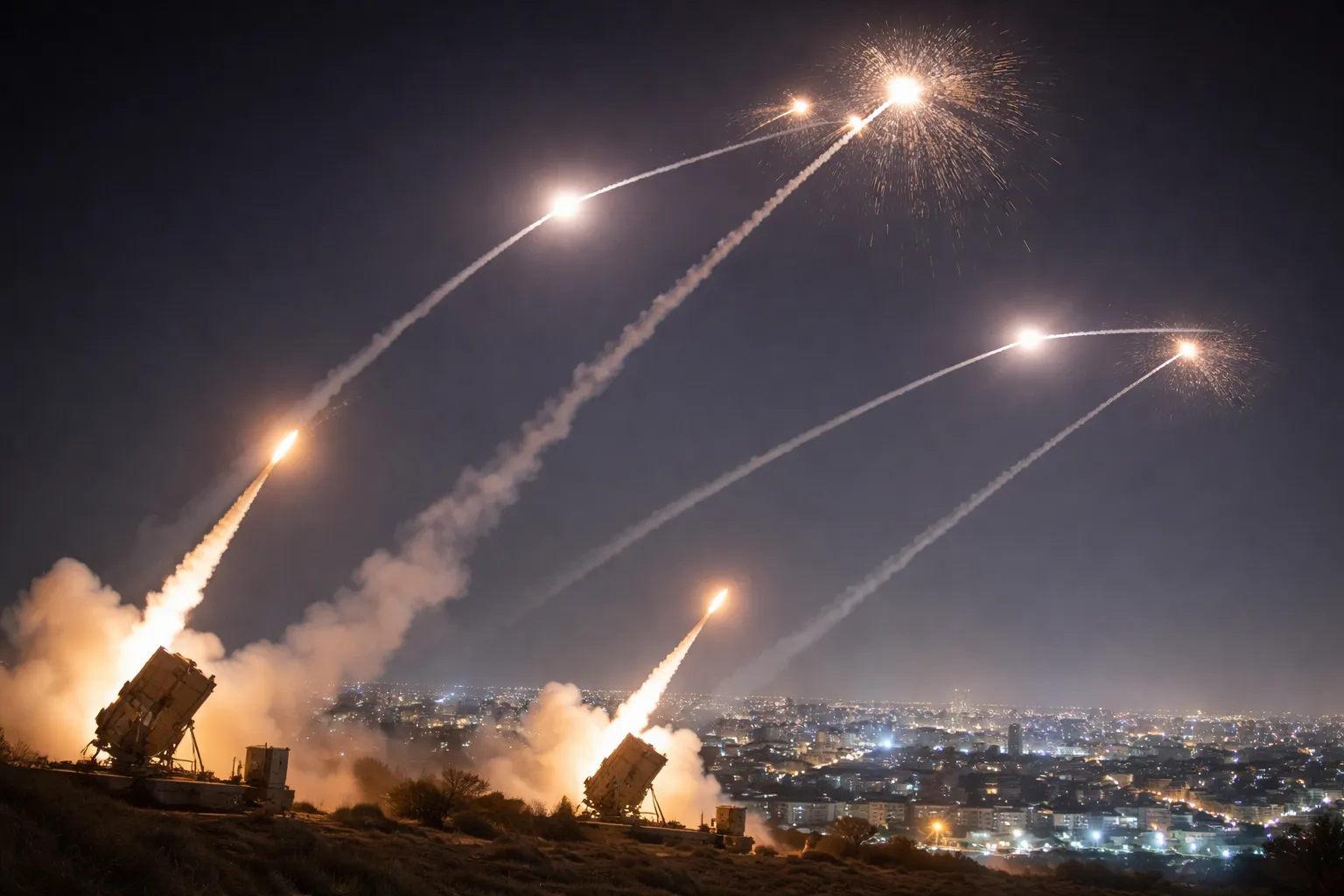
Iran, in response, has carried out missile and drone attacks targeting Israeli military positions. Officials in Tehran have stated that the country will continue to defend itself against what it describes as aggression by Israel and its allies.
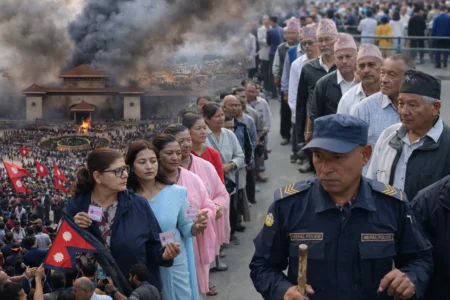
The exchange of attacks has disrupted civilian life in several cities and has triggered emergency measures across the region.
Trump Calls for “Unconditional Surrender”
U.S. President Donald Trump’s demand that Iran accept an “unconditional surrender” has drawn global attention and heightened tensions surrounding the conflict.
Speaking during a briefing in Washington, Trump said the United States would continue supporting Israel and warned that Iran must reconsider its approach to the ongoing crisis.
While the statement signaled strong political backing for Israel, it also raised concerns among international observers about the potential for further escalation.
Diplomatic Efforts Continue
Several countries and international organizations have called for restraint and urged both sides to avoid actions that could expand the conflict.
Officials from the United Nations and European governments have been engaged in diplomatic discussions aimed at reducing tensions and encouraging negotiations.
Despite these efforts, analysts say that achieving a ceasefire remains challenging as both sides continue to pursue military objectives.
Regional and Global Concerns
The conflict has also raised concerns about stability across the broader Middle East. Regional governments are closely monitoring developments, particularly given the potential impact on security and economic stability.
Energy markets have also reacted cautiously, with investors watching the situation for signs that disruptions could affect global oil supply routes in the region.
Security experts warn that prolonged fighting could increase the risk of additional actors becoming involved.
Background to the Conflict
Tensions between Israel and Iran have been building for years, driven by disagreements over regional influence, military activity, and Iran’s nuclear program.
Israel has repeatedly expressed concerns about Iran’s support for armed groups across the region and its expanding missile capabilities.
Iran, meanwhile, has accused Israel of conducting covert operations and attacks targeting Iranian personnel and infrastructure.
The latest escalation marks one of the most significant direct confrontations between the two countries in recent years.
Why This Matters
The developments carry significant geopolitical implications. A prolonged conflict could reshape alliances in the Middle East and affect global economic stability, particularly in energy markets.
International leaders are also concerned that continued military escalation could undermine ongoing diplomatic efforts related to regional security and nuclear negotiations.
For many governments, preventing the conflict from spreading beyond the immediate combatants remains a top priority.
What Comes Next
Diplomatic channels remain open, with international mediators continuing efforts to encourage dialogue. However, military operations on both sides suggest that tensions may persist in the near term.
Observers say the coming days will be critical in determining whether the conflict moves toward escalation or a possible negotiated pause in hostilities.