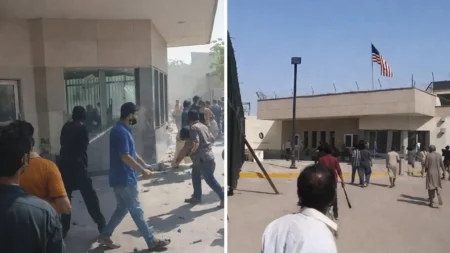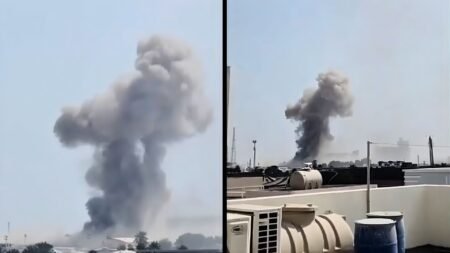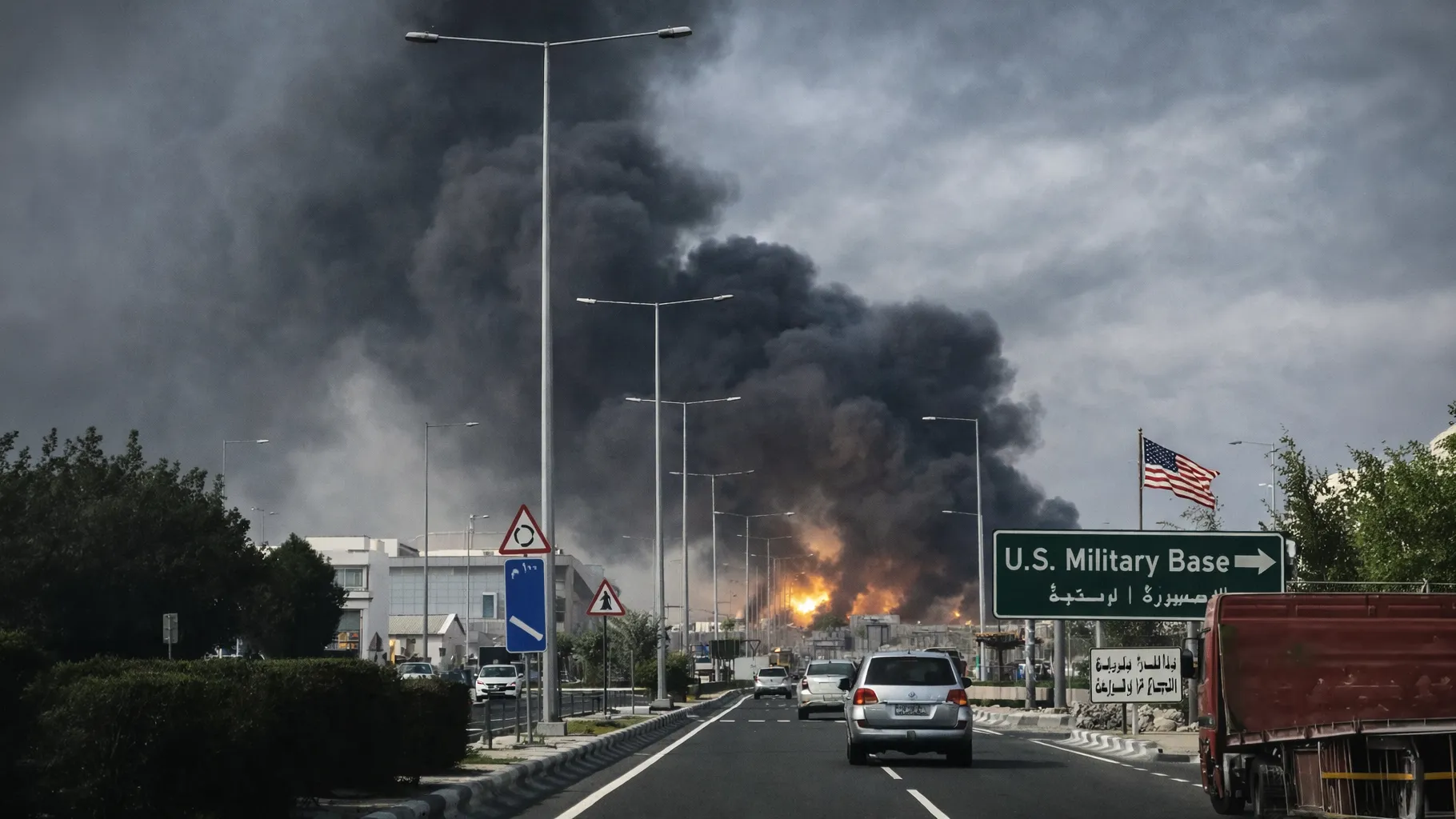
Dubai/Doha/Manama: Explosions were reported in Dubai, Doha and Manama on Sunday after Iran announced it had launched strikes targeting what it described as United States military and strategic assets across the Gulf. Authorities in the United Arab Emirates, Qatar and Bahrain confirmed security incidents in or near key areas but said investigations were ongoing and urged the public to remain calm.
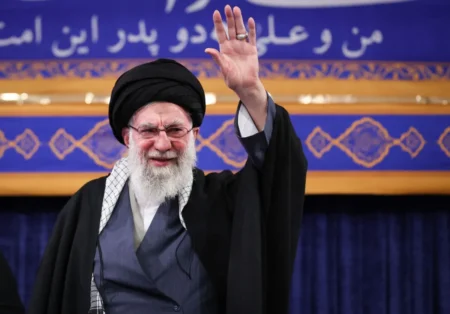
Iran’s state media said the strikes were directed at facilities associated with US military presence in the region, framing the action as a response to recent American operations. A statement from Iran’s armed forces said the attacks were “measured” and aimed at deterring further military action. It did not provide detailed information on the specific sites targeted.
In Dubai, residents reported hearing loud blasts late in the evening, with emergency services seen moving toward affected zones. UAE officials said security agencies were assessing the situation and had activated precautionary protocols. The government did not immediately confirm whether US-linked facilities had been hit, but it stressed that critical infrastructure remained operational.
Qatar’s Ministry of Defence issued a statement saying its air defence systems had intercepted projectiles aimed at areas hosting US assets. “The situation is under control and there have been no confirmed casualties,” the ministry said, adding that investigations were underway to determine the extent of the incident.
In Bahrain, where the US Fifth Fleet is based, authorities acknowledged “security developments” near certain facilities and said additional protective measures had been implemented. A government spokesperson said Bahrain was coordinating closely with regional partners to ensure stability.
The United States Department of Defense confirmed it was monitoring developments and working with regional allies. A Pentagon spokesperson said US forces in the Gulf were on heightened alert but did not immediately disclose details about damage or casualties. “We are assessing reports of attacks targeting US interests,” the spokesperson said, reiterating that the United States would take steps to safeguard personnel and facilities.
The incidents come amid escalating tensions between Washington and Tehran following recent military exchanges. Over the past week, both sides have accused each other of destabilizing actions, raising concerns that the confrontation could spread beyond isolated engagements.
The Gulf region hosts multiple US military bases and logistical hubs that support operations across the Middle East. Facilities in Qatar, Bahrain and the UAE are considered strategically important for maritime security, air operations and regional coordination.
Energy markets reacted cautiously to reports of the blasts. Oil prices showed initial volatility as traders evaluated the risk of supply disruptions in one of the world’s most critical energy corridors. The Strait of Hormuz, located between Iran and several Gulf states, is a vital passage for global oil shipments, and any threat to its security has historically influenced international markets.
Civil aviation authorities in parts of the Gulf reviewed flight paths following the reported incidents. Some airlines adjusted routes as a precaution, though no widespread airport closures were immediately reported. Officials emphasized that commercial operations were continuing with enhanced monitoring.
International reactions were swift but measured. Several governments called for restraint and urged diplomatic engagement to prevent further escalation. A spokesperson for the United Nations reiterated the need for de-escalation, warning that expanding hostilities could have significant regional and global consequences.
Regional analysts note that Gulf states maintain complex diplomatic relationships with both Washington and Tehran. While hosting US military facilities, countries such as Qatar and the UAE have also engaged in diplomatic outreach to Iran in recent years. The latest developments may test those balancing efforts.
Public safety remains a key concern for residents and expatriates across the Gulf. Governments in the affected countries issued advisories urging citizens to rely on official communications and avoid circulating unverified information online.
As investigations continue, the broader trajectory of the confrontation remains uncertain. Whether the incidents mark a limited exchange or the beginning of a wider regional crisis will depend on subsequent diplomatic and military responses from both sides.