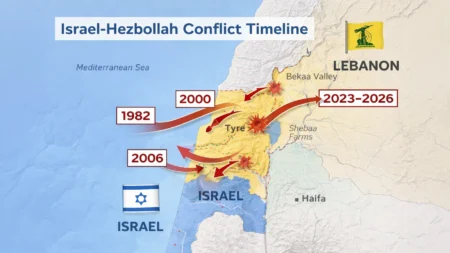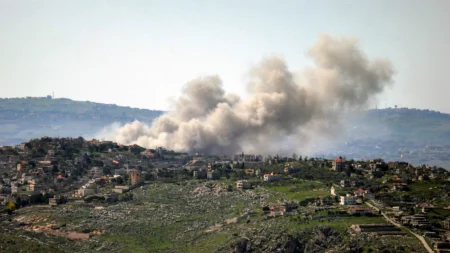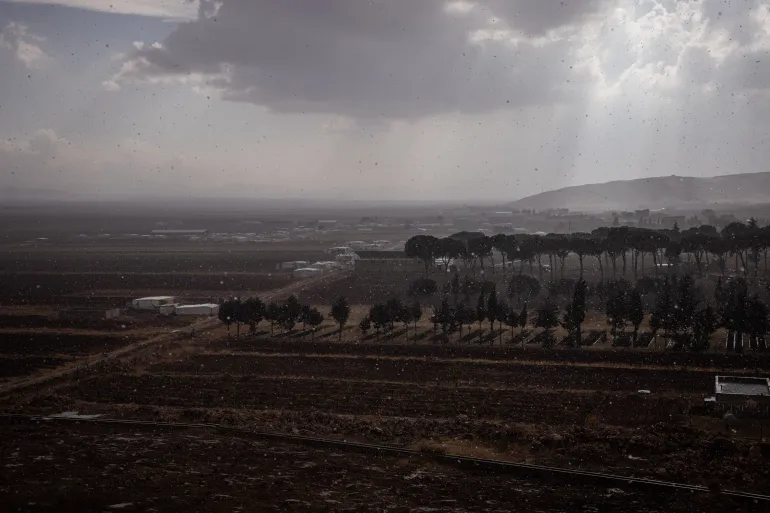
SAHMAR/BEIRUT – The residents of the Bekaa Valley woke up to the sound of war once again this Thursday, as Israeli airstrikes tore through the village of Sahmar. While diplomats in Washington and Paris speak of a “fragile but holding” truce, the reality on the ground in eastern Lebanon suggests a conflict that has merely changed shape, not ended.
Today’s operation, which Israel described as a necessary measure to dismantle “rebuilding” Hezbollah infrastructure, highlights a critical flaw in the current ceasefire architecture: the lack of a mutually agreed enforcement mechanism. By targeting the Bekaa Valley—an area far removed from the immediate border zone—Israel is enforcing a “zero-tolerance” policy on Hezbollah’s logistics lines that stretch into Syria.
Analysts suggest that Tel Aviv is testing the boundaries of international patience. With the Lebanese Army recently announcing the completion of the first phase of its disarmament plan in the south, these strikes serve as a harsh counter-narrative: Israel does not trust Beirut to finish the job. For the civilians in the Bekaa, caught between a rearming militia and a proactive Israeli air force, the “post-war” era looks dangerously like the war itself.