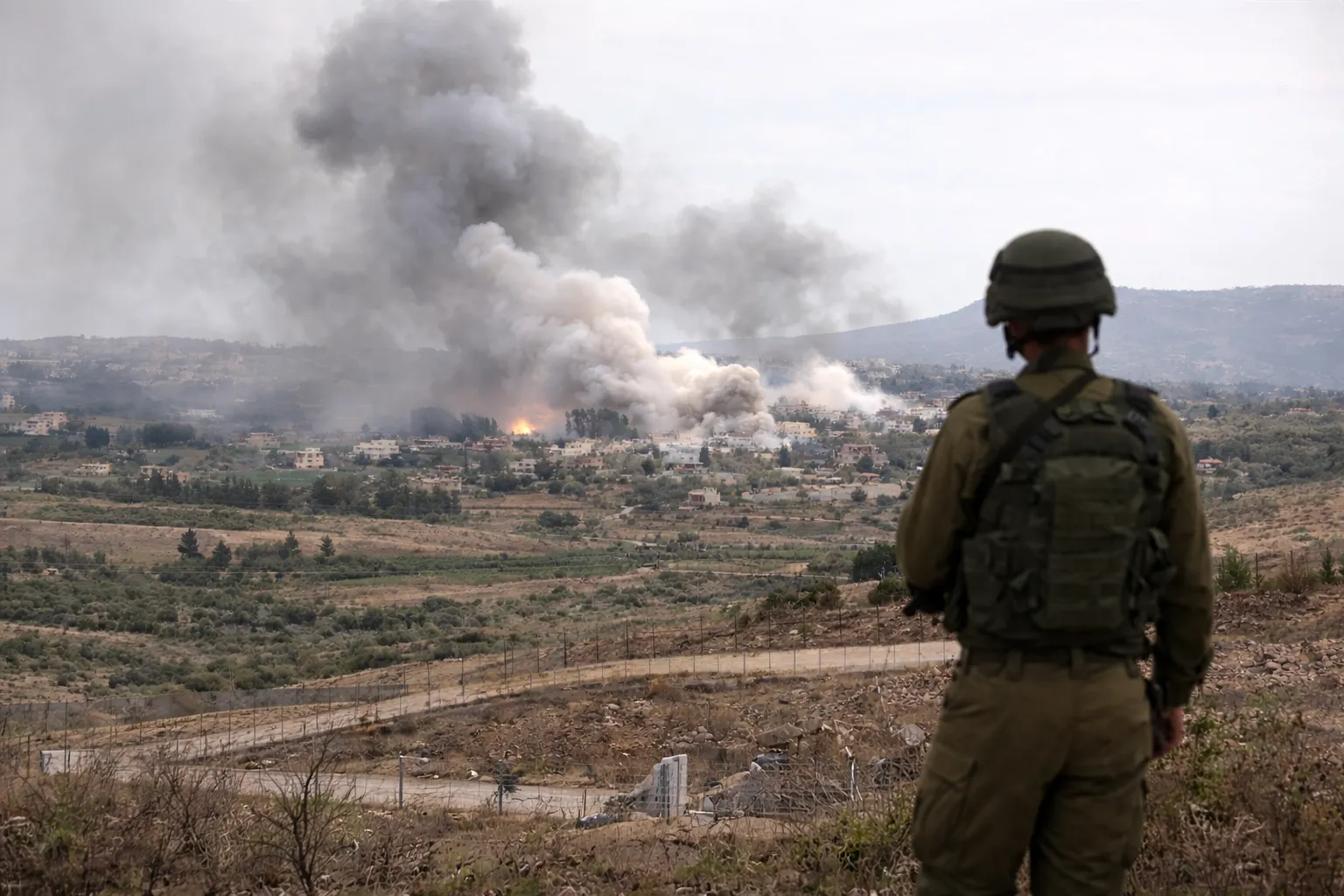
Beirut/Jerusalem: Israel carried out air strikes in southern Lebanon on Monday following what it said were rocket and drone attacks launched by Hezbollah, marking a further escalation in cross-border hostilities amid rising regional tensions involving Iran.
The Israeli military said it targeted infrastructure and launch sites linked to Hezbollah after multiple projectiles were fired toward northern Israel earlier in the day. According to the Israel Defense Forces (IDF), air defense systems intercepted several incoming rockets, while others landed in open areas. There were no immediate reports of Israeli casualties.
Hezbollah acknowledged launching attacks against Israeli positions near the border, describing them as a response to recent Israeli operations in the region. In a statement carried by Lebanese media, the group said it targeted military installations and pledged continued action if Israeli strikes persisted.
Lebanon’s state news agency reported that Israeli aircraft struck several areas in the country’s south, including locations near Tyre and Nabatieh. Local officials said the attacks damaged buildings and infrastructure, though the full extent of casualties and destruction was still being assessed at the time of reporting.
The Lebanese government condemned the strikes, calling them a violation of its sovereignty. In a statement, the prime minister urged international actors to intervene to prevent further escalation and reaffirmed Lebanon’s commitment to stability along the southern border.
The latest exchange comes against the backdrop of broader tensions involving Iran and its regional allies. Over recent days, hostilities between Israel and Iran-linked groups have intensified, raising concerns that the conflict could expand beyond isolated confrontations.
Israeli officials have repeatedly stated that they will respond decisively to any attacks originating from Lebanon. A senior Israeli defense official said the country would not tolerate what he described as coordinated actions aimed at undermining its security. The official added that military operations were focused on preventing further threats rather than initiating a wider conflict.
In Washington, US officials called for restraint from all sides. A spokesperson for the State Department said the United States supports Israel’s right to self-defense but emphasized the importance of avoiding steps that could lead to a broader regional confrontation. The United Nations also expressed concern, urging all parties to respect existing ceasefire understandings and to avoid targeting civilian areas.
Cross-border clashes between Israel and Hezbollah have occurred periodically since the 2006 war, though recent months have seen an uptick in incidents. Analysts note that Hezbollah, which is backed by Iran, remains a significant political and military force within Lebanon. Israel considers the group a primary security threat along its northern frontier.
The border area has been under heightened alert, with some communities on both sides reporting temporary evacuations. Israeli authorities have advised residents in certain northern districts to remain near shelters as a precaution. In Lebanon, schools in parts of the south were reportedly closed amid security concerns.
Energy markets and diplomatic observers are closely monitoring developments, given the broader regional implications. An expanded confrontation between Israel and Iran-aligned groups could affect regional trade routes and international diplomatic efforts.
Security analysts caution that while both Israel and Hezbollah have previously signaled limited objectives in cross-border exchanges, miscalculations can quickly escalate. Diplomatic channels remain active, with regional mediators attempting to prevent a sustained conflict.
For civilians in affected areas, the immediate concern remains safety and continuity of daily life. Local authorities in Lebanon have begun assessing infrastructure damage, while humanitarian organizations are preparing contingency plans should displacement increase.
As of Monday evening, there were no indications of large-scale mobilization beyond the current exchange. However, officials on both sides have made clear that further attacks would prompt additional responses.
The coming days are likely to determine whether the latest strikes remain contained or develop into a more sustained confrontation amid the broader tensions shaping the region.