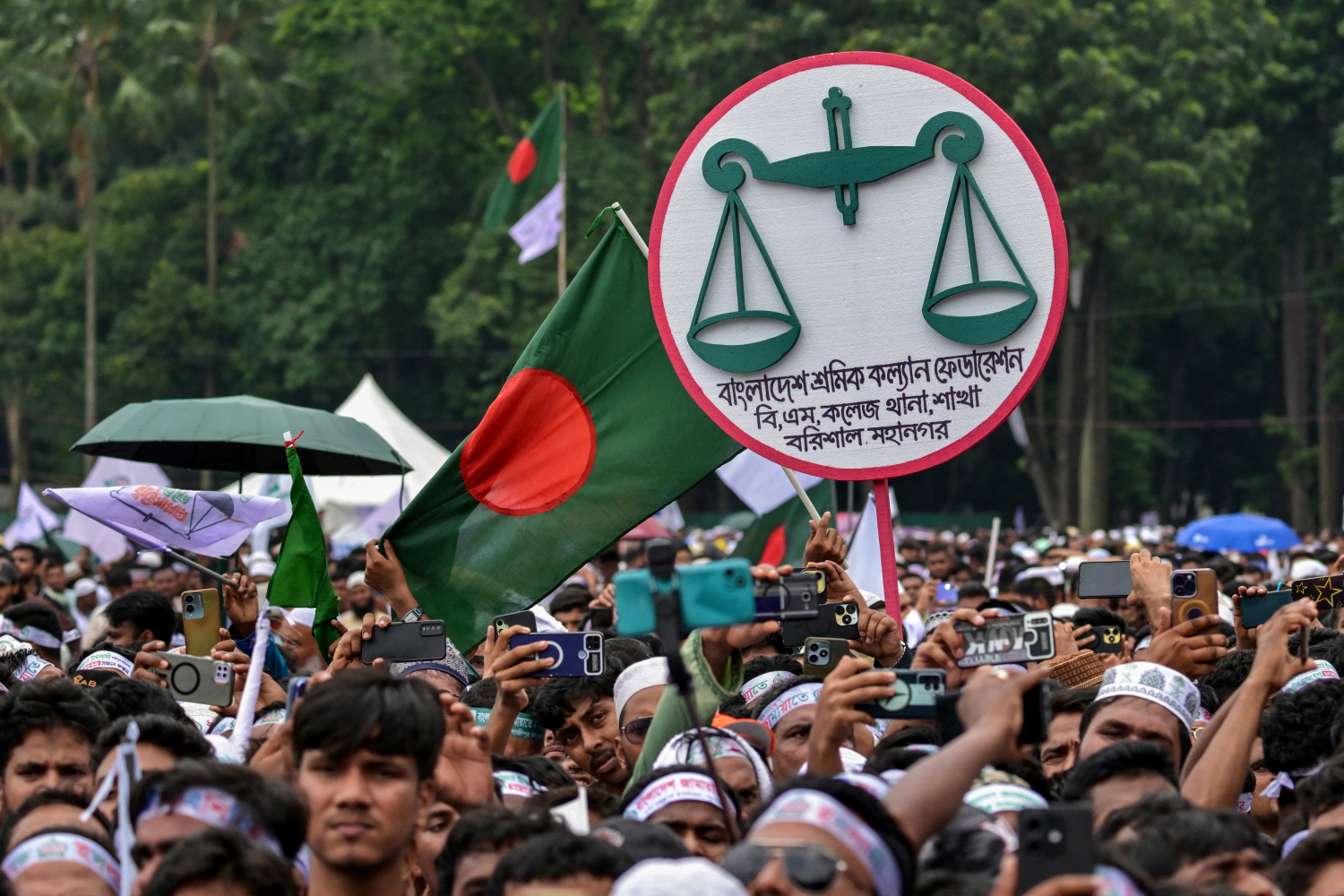
Dhaka, Bangladesh: In a turn of events that would have seemed impossible just two years ago, the Jamaat-e-Islami party has emerged from the shadows of illegality to become a frontrunner in Bangladesh’s chaotic political landscape.
On January 21, 2026, political observers are closely watching the maneuverings in Dhaka, where the once-banned Islamist organization is consolidating its base. Following the tumultuous end of the Sheikh Hasina era and the subsequent interim governance, a power vacuum was left in the heart of Bangladeshi politics. The Bangladesh Nationalist Party (BNP) was expected to fill it, but internal fractures have allowed Jamaat to rebrand itself as a disciplined, incorruptible alternative.
A Controversial Legacy The question of whether Jamaat can lead is fraught with historical trauma. The party opposed Bangladesh’s independence from Pakistan in 1971, and its leaders were historically implicated in war crimes. However, the “New Jamaat” of 2026 is projecting a different image. Its current leadership, largely consisting of a younger generation unburdened by the 1971 war trials, is campaigning on platforms of social justice, anti-corruption, and Islamic welfare.
The Road to Power Analysts suggest that Jamaat’s strategy is twofold: grassroots mobilization and strategic silence. While other parties squabbled, Jamaat rebuilt its student wings and charitable networks. Now, with elections on the horizon, they are polling stronger than ever.
However, the prospect of a Jamaat-led government alarms international observers. Western capitals and neighboring India are concerned about the implications for secularism and minority rights in the country. The party maintains it seeks a “modern Islamic republic,” but critics fear a rollback of civil liberties.
As the political machinery gears up, the question is no longer if Jamaat will be a key player, but whether they will seize the ultimate prize: the leadership of the country.