Tripoli/Athens | Enoxx News
The Mediterranean Sea has claimed more lives this week as authorities in Libya and Greece reported the recovery of eight bodies in two separate, tragic maritime incidents. The latest casualties underscore the unabated and perilous nature of irregular migration routes connecting North Africa to Southern Europe.
In Libya, local police confirmed that the bodies of five asylum seekers washed ashore near the capital city of Tripoli. The grim discovery was made on Saturday by residents of Qasr al-Akhyar, a coastal town situated just east of the capital. Hassan Al-Ghawil, the head of investigations at the local police station, detailed that the victims were all dark-skinned individuals, including two women. Tragically, eyewitnesses in the area also reported seeing the body of a young child wash up on the beach, only to be pulled back into the depths by the returning waves before it could be secured.
“We immediately reported the situation to the Red Crescent to facilitate the recovery of the bodies,” Al-Ghawil stated. He added a somber warning that the recovered bodies were still intact, leading authorities to brace for the possibility that more victims from the same undisclosed shipwreck might wash ashore in the coming days.
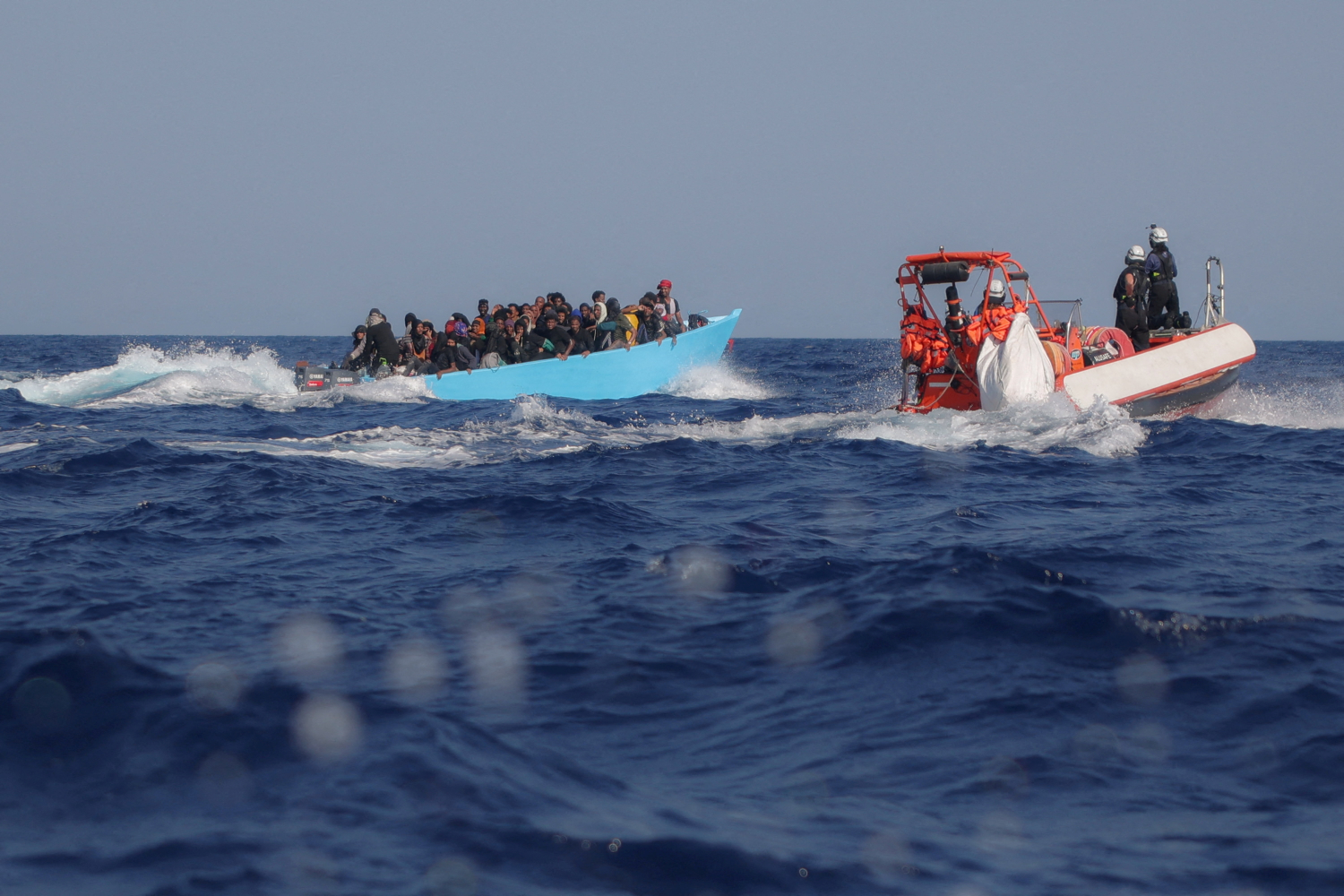
Meanwhile, a parallel tragedy unfolded across the Mediterranean in Greek waters. Authorities in Athens announced that three people perished when a wooden vessel, heavily overloaded with migrants and asylum seekers, capsized off the eastern coast of the island of Crete. Despite the loss of life, a coordinated rescue operation managed to pull at least 20 survivors from the water.
According to reports from the Greek public broadcaster, the disaster occurred during a rescue attempt involving a passing commercial ship. Panic reportedly broke out among the passengers, and the fragile wooden boat capsized as people rushed to climb the rescue ladders.
The Greek coastguard immediately launched a massive search and rescue mission. Four patrol boats, an aircraft, and two vessels deployed by the European border agency Frontex scoured the area for additional survivors. Testimonies from those rescued—primarily nationals from Egypt and Sudan, including four minors—indicated that roughly 50 people had originally been packed onto the small boat. The sheer number of missing individuals has raised fears that the death toll will inevitably climb.
Adding to the complexity of the crisis, a second boat carrying approximately 40 migrants was spotted in the same vicinity shortly after the first incident, prompting yet another emergency rescue operation by the Hellenic Coast Guard.
These twin tragedies serve as a grim reminder of the deadly risks thousands of desperate people undertake each year. Driven by extreme poverty, conflict, and instability in their home countries, migrants continue to rely on ruthless smuggling networks to navigate the central and eastern Mediterranean routes. Despite increased maritime patrols and international border enforcement efforts, the Mediterranean remains one of the world’s deadliest migration corridors, with the death toll rising steadily as people seek the elusive promise of safety in Europe.