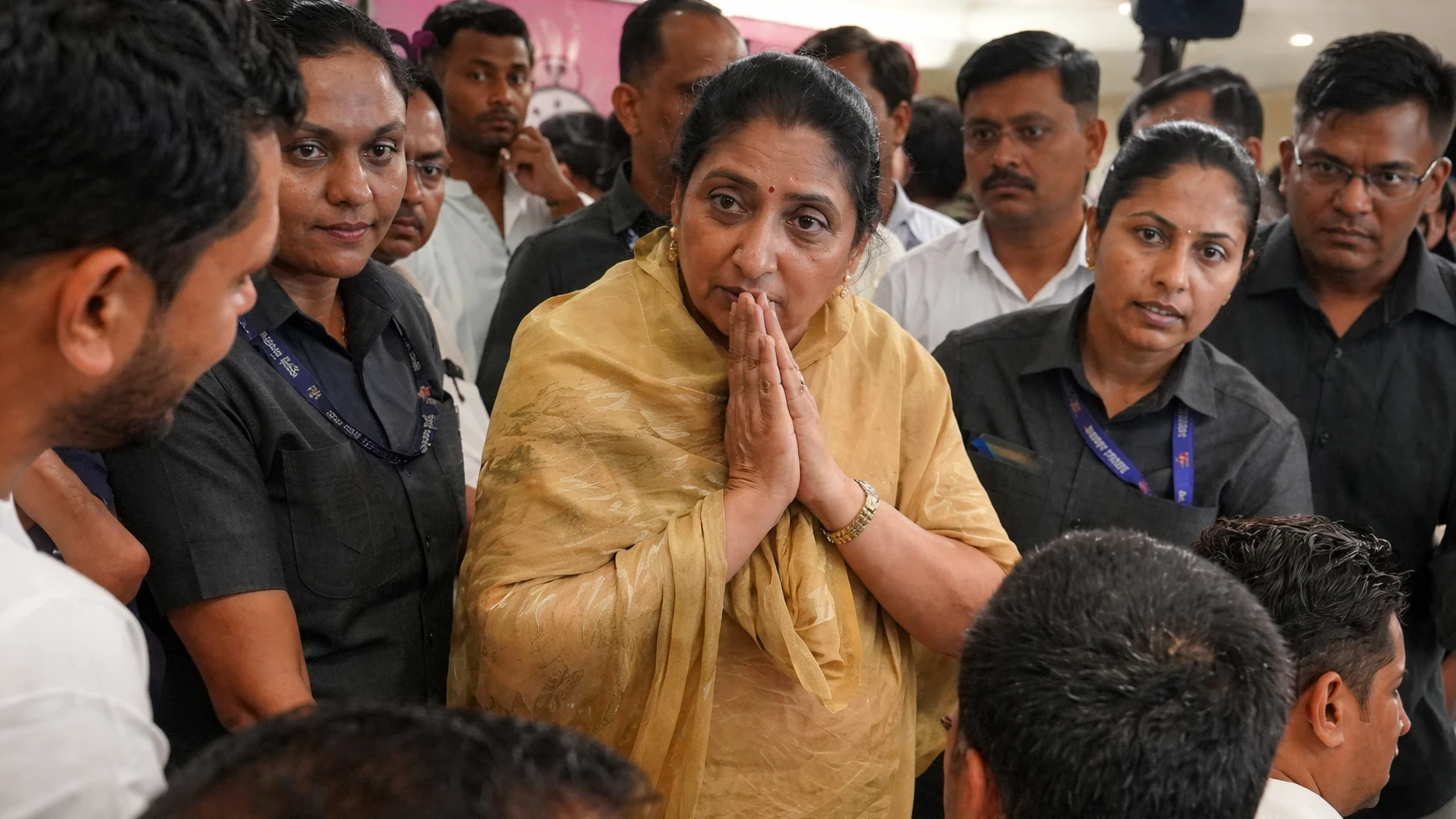
Mumbai, March 10 — Maharashtra has introduced a new workplace initiative titled “Come Early, Go Early”, designed to provide more flexibility and improved safety for women employees in Mumbai. The scheme was announced by Sunetra Pawar, a Member of Parliament from the Nationalist Congress Party (NCP), during a public event in the city.
The proposal allows women employees to start their workday earlier than usual and leave the office sooner in the evening. Officials say the initiative aims to address safety concerns faced by women while commuting late at night in large urban areas.
Focus On Women’s Safety
Speaking about the initiative, Sunetra Pawar said the scheme was designed keeping in mind the challenges women face during late evening travel. Many women working in offices or corporate environments often have to commute after dark, raising safety concerns.
The proposed schedule would allow women employees to begin work earlier in the morning and finish their duties earlier in the day. According to supporters of the initiative, such flexibility could help reduce exposure to late-night travel risks.
Mumbai’s Working Women
Mumbai has one of the largest populations of working women in India, especially in sectors such as banking, finance, technology and services. Daily commuting, particularly during late hours, has long been a concern for employees and policymakers alike.
Observers note that the “Come Early, Go Early” idea reflects a broader discussion on workplace policies that support women’s participation in the workforce while addressing safety and work-life balance.
Wider Policy Discussions
The announcement has triggered discussions among industry leaders, employers and social groups about implementing flexible work schedules for women employees. Some experts believe such policies could encourage more women to join and remain in the workforce.
At the same time, analysts point out that successful implementation would require coordination between employers, transport services and workplace policies.
The proposal is expected to generate further debate on workplace reforms and urban safety measures for women across major Indian cities.