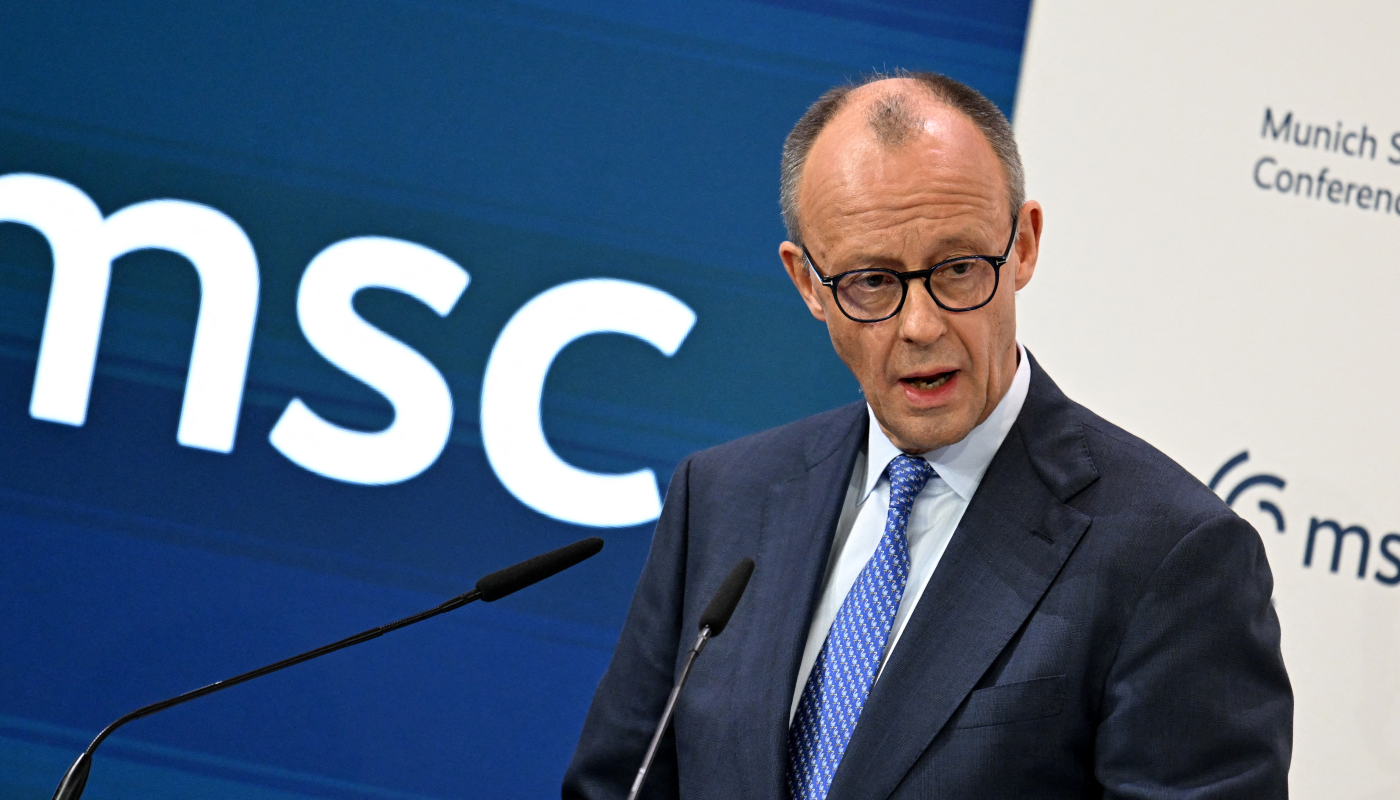
German Chancellor Friedrich Merz has issued a blunt assessment of the current state of Western unity, calling on both Europe and the United States to urgently “repair and revive” their transatlantic partnership. Speaking on Friday, Merz moved away from the diplomatic pleasantries often heard in Brussels, opting instead for a pragmatic warning: if Europe wants the US to remain a guarantor of its security, Europe must finally become a serious geopolitical player.
The “Repair” Job The Chancellor’s choice of the word “repair” is significant. It acknowledges what many diplomats have whispered but rarely shouted—that the bond between Washington and European capitals has suffered under the weight of economic protectionism and diverging security priorities over the last few years.
Merz, a staunch Atlanticist who took office with a promise to realign Berlin closer to Washington, argued that the drift is dangerous. With global instability rising—from the lingering conflicts in Eastern Europe to tensions in the Indo-Pacific—a divided West is a vulnerable West. “We cannot take the American security umbrella for granted anymore,” Merz stated. “That era is over. To keep the US engaged in Europe, we must prove we are an asset, not a liability.”
Burden Sharing: The 2% Floor Central to Merz’s vision is a massive ramp-up in European defense capabilities. For decades, American presidents from both parties have complained that Europe “freeloads” on US military spending. Merz seems to be the first German leader to fully embrace this criticism as valid.
He outlined a strategy where Germany leads by example, pushing defense spending well beyond the NATO minimum of 2% of GDP. The message to the White House is clear: Germany is ready to pay its way. This shift is designed to preempt isolationist voices in Washington who argue that American tax dollars should not subsidize European welfare states while their own borders remain vulnerable.
Economics and Trade Beyond tanks and missiles, the “revival” Merz seeks is economic. The relationship has been strained by subsidies and tariffs that have pitted American manufacturers against European industries. Merz called for a new “economic deal” that lowers barriers, arguing that an economic trade war between allies only benefits competitors like China.
The Road Ahead This speech marks a definitive shift in German foreign policy. Under previous administrations, Berlin often tried to act as a bridge between East and West. Merz is signaling that the bridge is burned, and Germany is firmly planting its flag in the Western camp. However, he admits that this alignment comes with a price tag—one that European taxpayers will have to pay if they wish to remain relevant on the world stage.
As the US reassesses its global commitments in 2026, Merz’s proactive stance might be the only thing that keeps the Atlantic alliance from becoming a relic of the 20th century.