NEW DELHI: The era of MGNREGA is officially over. In December 2025, the Indian Parliament passed the Viksit Bharat Guarantee for Rozgar and Ajeevika Mission (Gramin) Bill, effectively repealing the Mahatma Gandhi National Rural Employment Guarantee Act of 2005.
Known by its new acronym VB-G RAM G, the legislation marks the most significant overhaul of India’s rural social security net in twenty years. But beyond the complex acronym lies a fierce political battle over legacy, funding, and the very definition of “guaranteed” work.
The New Deal: What is VB-G RAM G?
The government argues that the rural economy of 2025 is vastly different from 2005. The new Act aims to align rural employment with the “Viksit Bharat” (Developed India) vision. Here are the key structural changes:
- 125 Days Guarantee: Unlike MGNREGA’s 100 days, the new Act promises 125 days of guaranteed wage employment per rural household annually.
- The “Harvest Pause”: In a controversial move, the Act allows states to suspend the scheme for up to 60 days during peak sowing and harvesting seasons. The government argues this prevents labor shortages for farmers, while critics say it dilutes the “demand-driven” nature of the safety net.
- Funding Split: The financial burden has shifted. While the Centre previously bore 100% of the unskilled wage bill, the new framework moves towards a 60:40 (Centre:State) funding model for the total fund requirement, increasing the fiscal pressure on state governments.
- Focus on Assets: The scheme mandates a shift from “digging holes” to creating durable assets—specifically water security, livelihood infrastructure, and climate resilience projects.
The Political Hustle: Gandhi vs. “Ram G”
The rebranding has triggered a massive political firestorm. By dropping “Mahatma Gandhi” from the title and introducing an acronym that phonetically resonates with “Ram Ji” (VB-G RAM G), the move is seen by political analysts as a deliberate ideological pivot.
Government’s Stance: “Modernization, Not Politics”
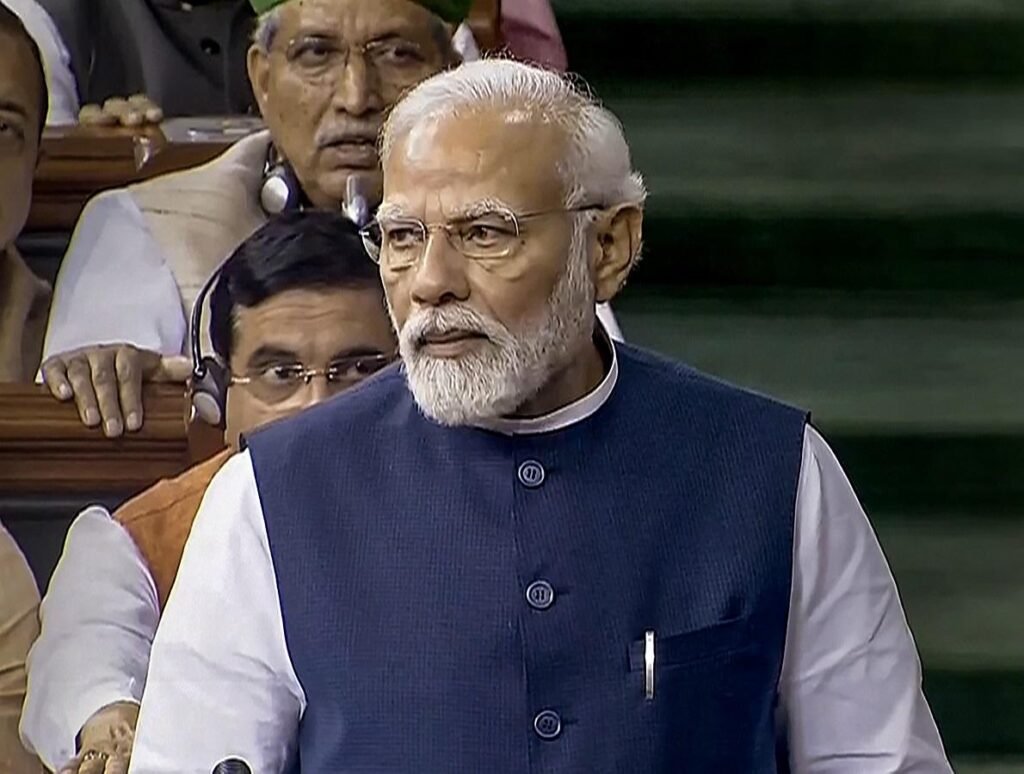
The ruling BJP asserts that the change is functional, not merely symbolic. Haryana Chief Minister Nayab Singh Saini recently defended the move at a state-level conference, calling it “Prime Minister Modi’s guarantee to every worker.” The government argues that MGNREGA was riddled with corruption and “fake job cards,” and the new digital-first, Aadhar-linked VB-G RAM G will plug these leaks. They emphasize that the 25 extra days of work will put more money in the hands of the poor.
Opposition Fury: “Erasure of Legacy”
The Opposition has launched a scathing attack, termed the move as “petty politics.” Congress leader Rahul Gandhi and General Secretary Priyanka Gandhi Vadra have accused the government of trying to “erase Bapu’s legacy” from the rural consciousness.
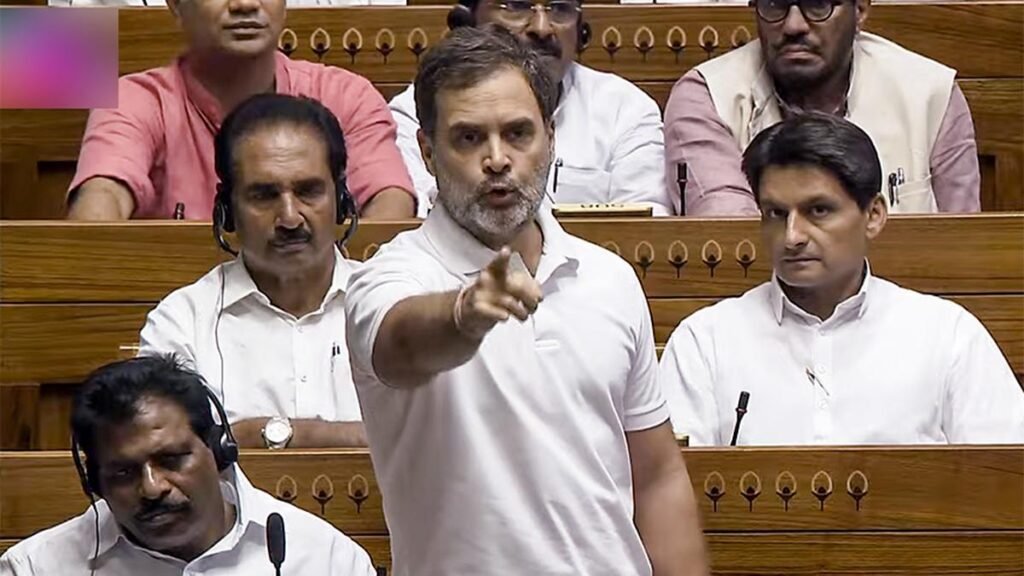
The criticism isn’t just sentimental. The Opposition points to the centralization of power. Under the new Act, the Centre retains greater control over the “nature of work” and funding allocations, which opposition leaders claim undermines the federal autonomy of Gram Panchayats. “The name change is just an excuse,” alleged Congress leader V. Hanumantha Rao. “The real aim is to benefit big industrialists by creating a cheap labor pool and dismantling the rights-based framework.”
Analysis: The Road Ahead
For the common villager, the name on the job card matters less than the money in the bank. If VB-G RAM G successfully delivers 125 days of timely wages without the notorious payment delays of the past, the new name will stick. However, if the 60-day “harvest pause” is used to deny work during distress periods, or if cash-strapped states fail to meet their 40% funding share, the “guarantee” in the acronym may ring hollow.
The rebranding is a gamble. It attempts to overwrite a Congress-era legacy with a BJP-defined “Viksit Bharat” identity. Whether this results in rural prosperity or administrative chaos will be the defining story of 2026.