NEW DELHI, March 22: Indian companies are beginning to feel the impact of rising geopolitical tensions in the Middle East, with shipment delays and shortages of key raw materials disrupting business operations, according to the Confederation of Indian Industry (CII).
The industry body has warned that the ongoing situation in West Asia is affecting supply chains, particularly for sectors dependent on imports of crude-linked materials, chemicals and critical industrial inputs.
Shipping delays and logistics disruptions
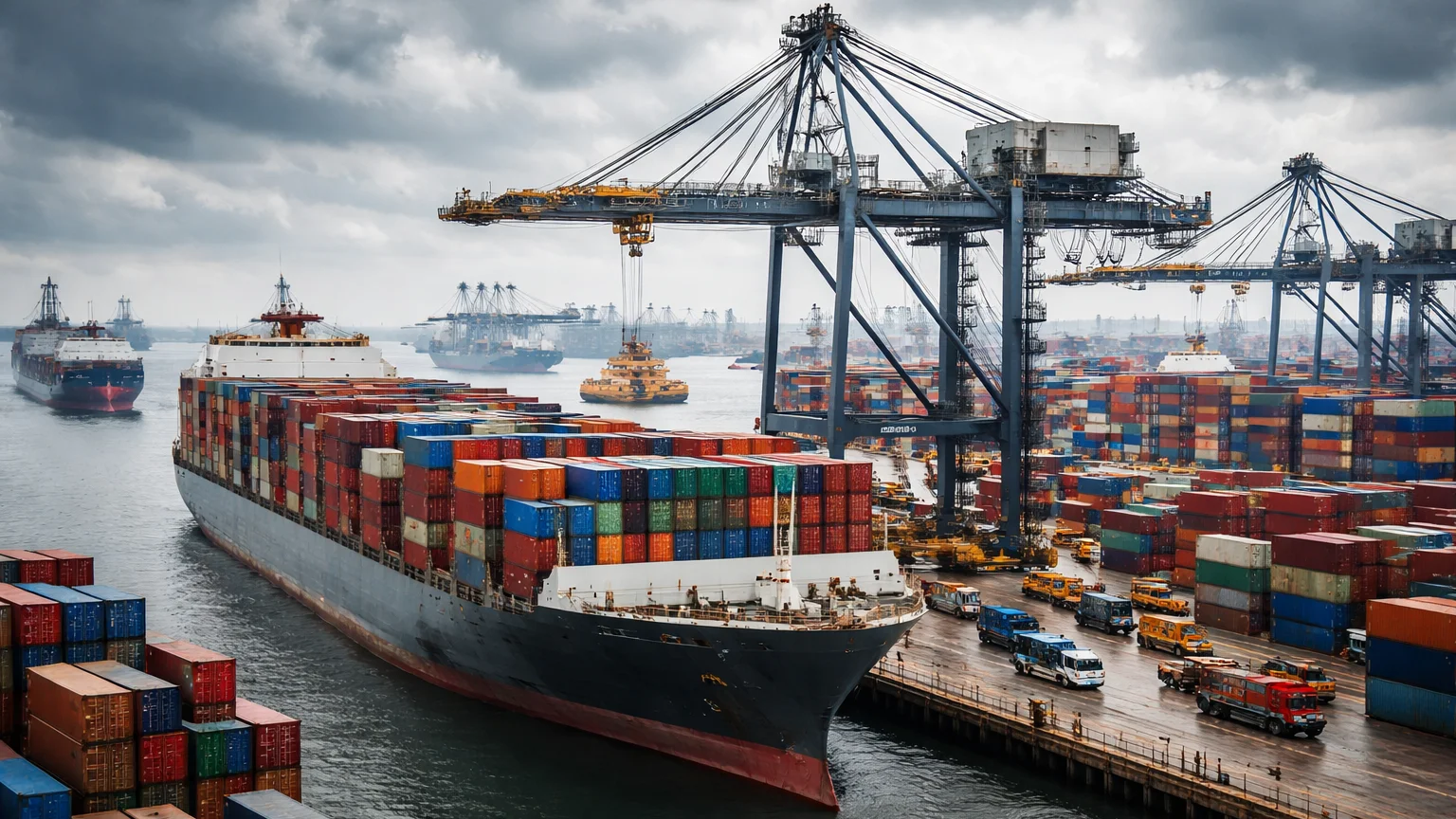
One of the immediate challenges faced by Indian companies is the delay in shipments passing through key global trade routes. The Middle East region plays a crucial role in global shipping corridors, and any instability in the area tends to disrupt vessel movement and increase transit times.
CII noted that several companies have reported delays in receiving consignments, leading to production slowdowns and uncertainty in delivery schedules. Exporters are also facing challenges in meeting international commitments due to logistical bottlenecks.
Raw material shortages begin to surface
Another major concern highlighted by CII is the shortage of essential raw materials. Industries such as petrochemicals, pharmaceuticals, engineering and manufacturing rely heavily on imports from the Middle East.
With disruptions in supply chains, companies are struggling to secure consistent supplies, forcing them to either reduce production or look for alternative, often costlier, sources.
Experts say that prolonged disruptions could significantly impact sectors like plastics, fertilisers and energy-intensive industries.
Rising costs and inflationary pressure
The disruptions are also leading to increased costs for Indian companies. Freight charges have begun to rise, and sourcing raw materials from alternative markets is proving more expensive.
This could eventually translate into higher prices for consumers, adding to inflationary pressure in the domestic market.
Industry leaders have urged the government to closely monitor the situation and consider support measures if disruptions persist.
Industry seeks government support
CII has called for proactive steps to mitigate the impact of the crisis. These include improving logistics planning, identifying alternative supply routes and ensuring availability of critical inputs.
There are also calls for closer coordination between industry and government to manage risks and maintain supply chain resilience.
Outlook remains uncertain
While the situation is still evolving, the extent of the impact will depend on how long the geopolitical tensions persist. Short-term disruptions can be managed, but a prolonged crisis could significantly affect industrial output and trade.
For now, companies are adopting a cautious approach, building inventories where possible and exploring diversified sourcing strategies.