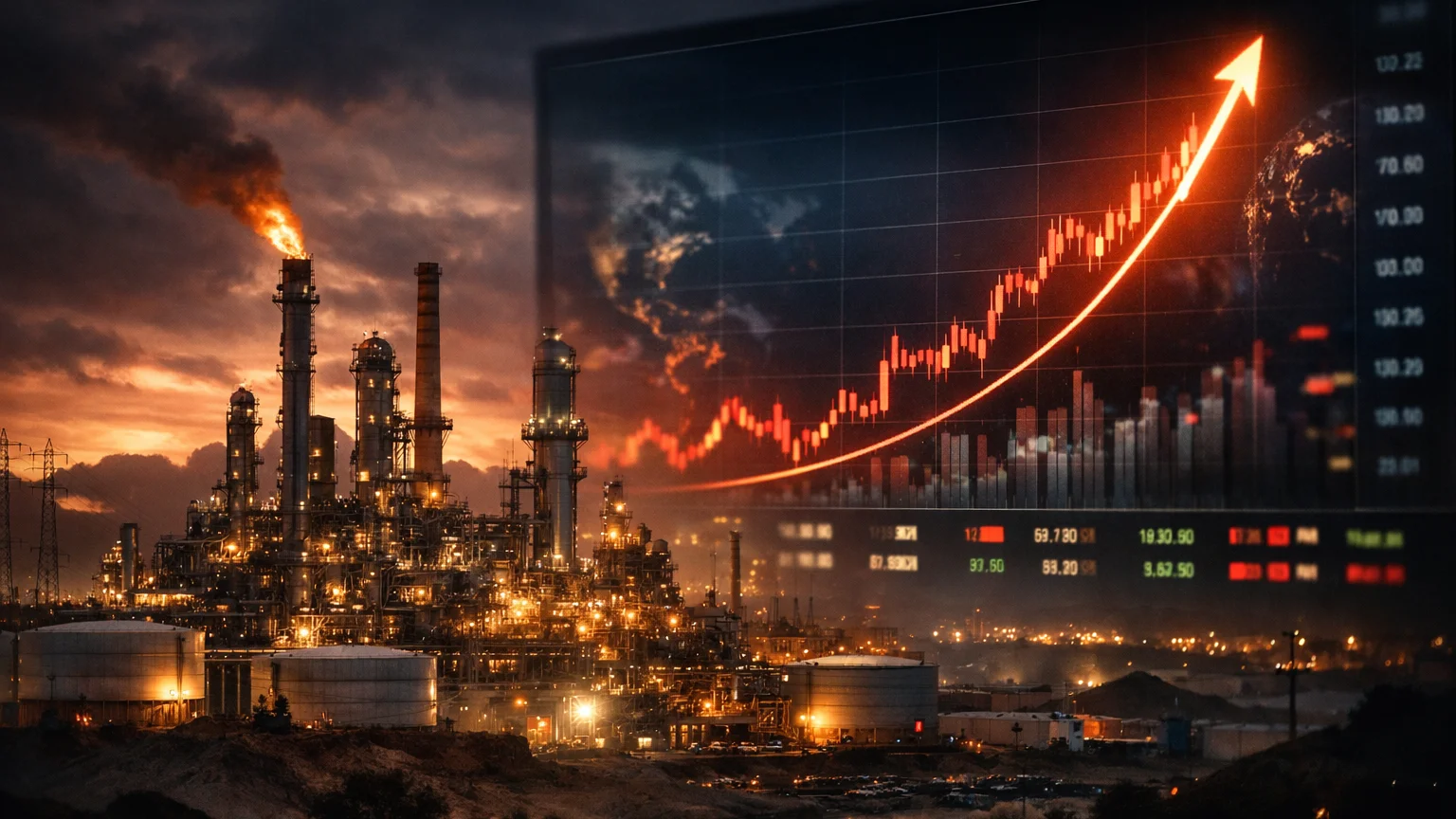
NEW DELHI, March 30: Oil prices climbed sharply on Sunday, with Brent crude rising above $116 a barrel, after Iran accused the United States of preparing for possible ground action, triggering a fresh wave of concern across already tense global energy markets.
The market reaction was swift because oil traders are not just watching military developments — they are watching what those developments could do to supply. Any sign of a deeper confrontation in the Gulf immediately raises fears around the movement of crude and gas through some of the world’s most sensitive shipping routes.
That is where the latest price jump is coming from. For now, it is less about confirmed disruption and more about the fear that the conflict could widen further. In oil markets, that kind of fear alone is often enough to send prices sharply higher.
Strait of Hormuz Returns to the Market’s Radar
At the centre of the latest market anxiety is the Strait of Hormuz, one of the world’s most critical oil transit routes. A significant share of global crude and liquefied natural gas moves through this narrow passage, making it one of the first flashpoints investors watch whenever tensions in the Gulf rise.
Even without a formal supply shutdown, the risk of shipping delays, route disruption or higher insurance and freight costs can push oil prices up quickly. That is why the market has reacted so sharply even before any major confirmed interruption in exports.
Recent assessments suggest that shipping and energy flows in the region are already under pressure, and that has brought back memories of earlier Gulf crises where markets moved faster than actual supply losses. The current spike reflects that same nervousness.
Why India and Other Oil Importers Are Watching Closely
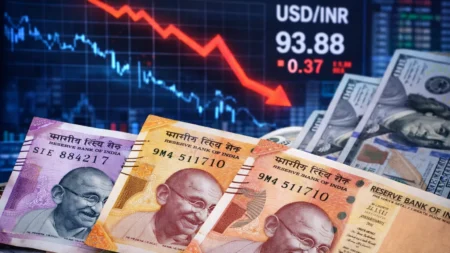
For oil-importing countries like India, a sharp rise in crude prices creates pressure well beyond fuel markets. It can lift import bills, weigh on the rupee, raise freight and transport costs and make inflation management harder for policymakers.
That is why moves like this are closely watched in New Delhi as well. Short bursts of volatility can often be absorbed for some time, but if crude stays elevated for longer, the pressure tends to spread through the wider economy — from logistics and aviation to household budgets and retail fuel costs.
For now, markets are trading on risk rather than certainty. But when tensions rise in the Gulf, oil does not wait for clarity — it reacts to the possibility of disruption first, and asks questions later.