SHIMLA, March 16: Panchayat elections in Himachal Pradesh do more than elect village representatives. They determine how development funds are used for roads, drinking water projects, sanitation, schools and welfare schemes in thousands of villages across the state.
With more than 3,600 Gram Panchayats and over 20,000 elected representatives, the Panchayati Raj system forms the foundation of rural governance in Himachal Pradesh.
These elections directly influence how villages plan development priorities and implement government programmes.
WATCH: 24×7 LIVE – Himachal Pradesh News
Key Takeaways
• Himachal Pradesh has over 3,600 Gram Panchayats governing rural areas.
• Panchayats manage development funds from state and central governments.
• Local elections influence projects like roads, irrigation and drinking water.
• Panchayats help implement schemes like MGNREGA and PM Awas Yojana.
How Panchayat Decisions Affect Daily Life in Villages
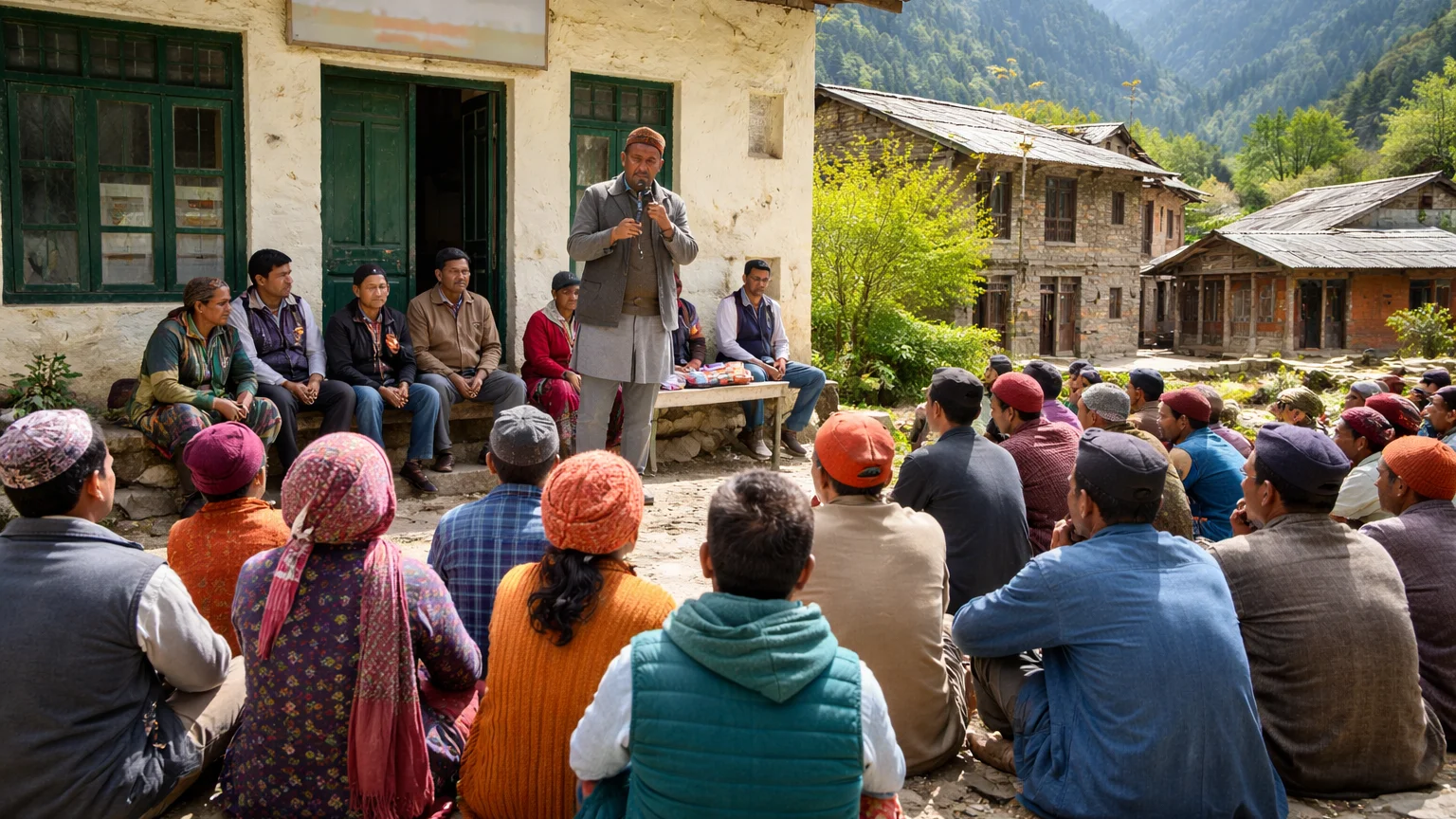
n many villages of Himachal Pradesh, decisions taken by Panchayats directly affect everyday life. Whether it is building a new road to connect remote hamlets, repairing irrigation channels for farmers, or ensuring drinking water supply during summer, local representatives play a key role in addressing village-level problems.
- repairing village roads damaged during monsoon
- building drinking water pipelines
- approving irrigation projects for farmers
- constructing community halls and anganwadi centres
Why Panchayat Elections Matter for Villages
In rural India, Panchayat institutions serve as the closest level of government to citizens.
Elected representatives make decisions that affect everyday life in villages, including infrastructure development and implementation of welfare programmes.
For many villagers, Panchayat elections determine who will represent their concerns regarding roads, water supply, agriculture and employment.
How the Panchayati Raj System Works
The Panchayati Raj system in India operates under the 73rd Constitutional Amendment (1992) and follows a three-tier structure:
• Gram Panchayat – village level governance
• Panchayat Samiti – block level administration
• Zila Parishad – district level governance
In Himachal Pradesh, Gram Panchayats play the most visible role in managing village-level development projects.
Development Funds Managed by Panchayats
Village Panchayats receive funds from multiple sources.
Key funding channels include:
• Finance Commission grants
• Central government rural schemes
• State government development programmes
• Local taxes and fees
According to government reports, a large portion of rural infrastructure projects are planned and executed through Panchayat-level decisions.
Projects That Panchayats Decide
Many development works in villages are planned at the Panchayat level.
Common projects include:
• construction and repair of rural roads
• drinking water pipelines
• irrigation channels for agriculture
• sanitation and waste management
• construction of community buildings
These decisions often reflect the priorities discussed in Gram Sabha meetings.
Implementation of Major Government Schemes
Panchayats play a central role in implementing several welfare schemes.
Major programmes include:
• Mahatma Gandhi National Rural Employment Guarantee Act (MGNREGA)
• Pradhan Mantri Awas Yojana – Rural
• Swachh Bharat Mission
• Jal Jeevan Mission
For example, MGNREGA generates millions of workdays each year in Himachal Pradesh through rural employment projects managed by Panchayats.
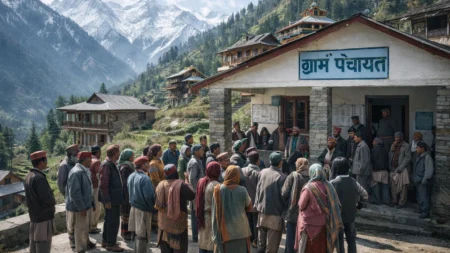
Role of Gram Sabha in Village Governance
The Gram Sabha allows villagers to participate directly in governance.
During Gram Sabha meetings, residents can:
• approve development projects
• discuss budget allocations
• raise local issues
• monitor Panchayat performance
Experts say strong public participation improves transparency and accountability in rural governance.
Challenges Faced by Panchayats
Despite their importance, Panchayats face several challenges.
These include:
• limited financial autonomy
• shortage of administrative staff
• delays in fund allocation
• need for technical expertise in project planning
Addressing these challenges is considered crucial for strengthening grassroots democracy.
Future of Rural Development in Himachal
With increasing emphasis on decentralised governance, Panchayat institutions are expected to play a larger role in rural development.
Government initiatives promoting digital governance, transparency and citizen participation are likely to strengthen Panchayat functioning in the coming years.
Experts believe that effective leadership combined with active community participation can accelerate development across rural Himachal Pradesh.