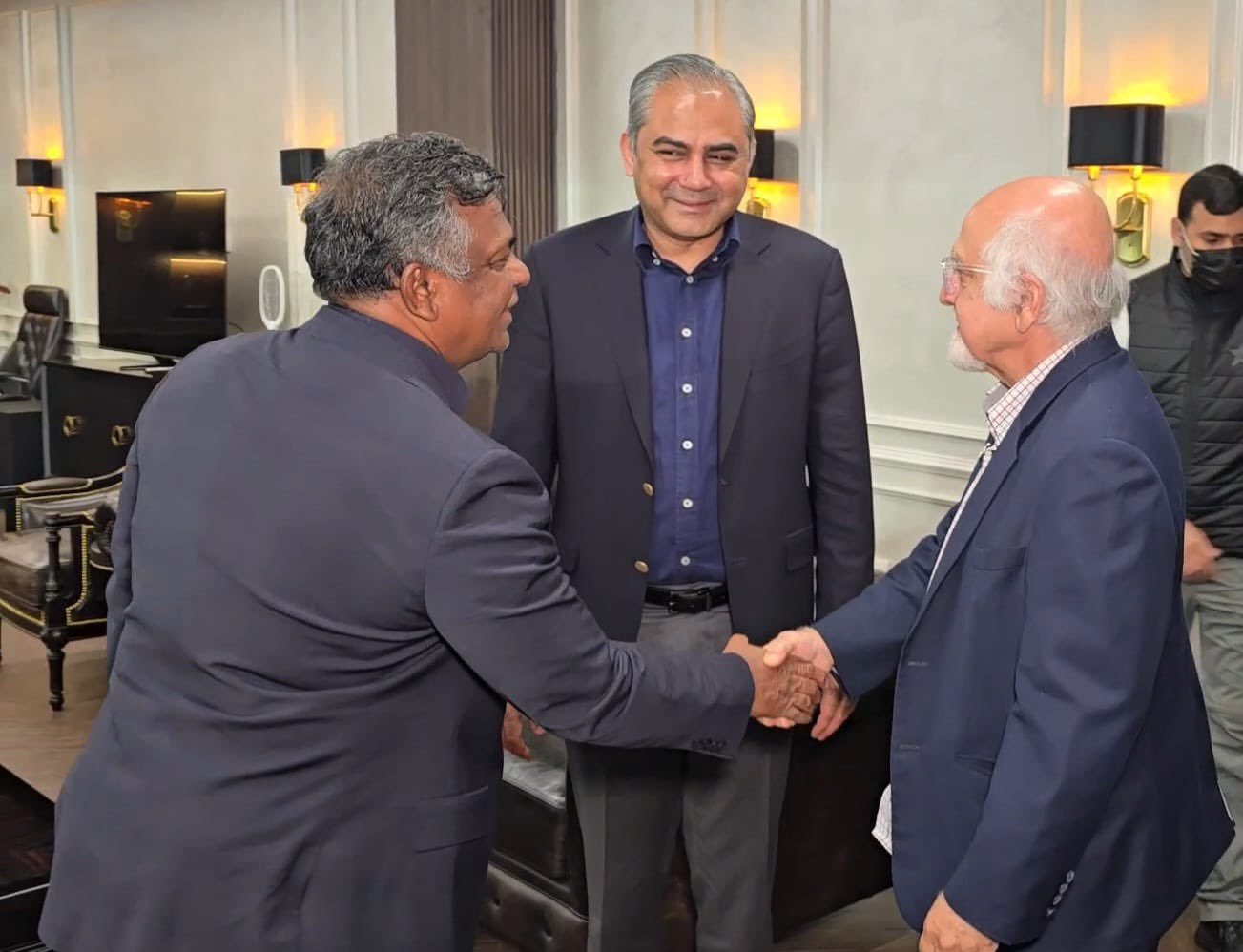
The high-voltage drama surrounding Pakistan’s participation in the 2026 T20 World Cup clash against India has reached an anti-climactic end. After weeks of aggressive posturing and threats of a boycott, Pakistan Cricket Board (PCB) chief Mohsin Naqvi has officially confirmed a U-turn. Pakistan will now take the field against their arch-rivals on February 15, bringing an end to a standoff that had threatened to derail the tournament’s commercial prospects.
The controversy began when the Pakistan government initially barred the national team from playing India as a mark of solidarity with Bangladesh, who had been excluded from the tournament by the International Cricket Council (ICC). However, the ICC’s firm stance and the potential for heavy financial penalties appear to have forced a retreat. In an attempt to save face during a press conference for the Pakistan Super League (PSL), Naqvi framed the decision as a selfless act.
When confronted by reporters about what Pakistan gained from the weeks of defiance, Naqvi’s response was telling: “Apne liye kuch nahi kiya” (I didn’t do anything for myself). He claimed that the PCB’s stand was entirely for Bangladesh and that they were only returning to the pitch because the Bangladesh Cricket Board (BCB) had specifically requested them to do so. “You must have seen Bangladesh’s statement. They requested Pakistan to play the match. Since their issues have been resolved, we decided to honor their request,” Naqvi added.
Despite the altruistic framing, reports suggest the ICC was far less accommodating than Naqvi implied. The governing body reportedly rejected three major demands from the PCB, including the significant request for the resumption of bilateral cricket series between India and Pakistan. The ICC eventually issued a statement emphasizing that all member boards agreed to “respect their commitments” to ensure the success of the World Cup.
For the PCB, the situation remains a PR nightmare. While they have avoided a total fallout with the ICC, the lack of any tangible concessions—aside from the face-saving narrative involving Bangladesh—leaves the board looking vulnerable. As the cricketing world prepares for the February 15 showdown in Delhi, the focus now shifts from the boardroom back to the pitch, where the pressure on the Men in Green will be higher than ever.