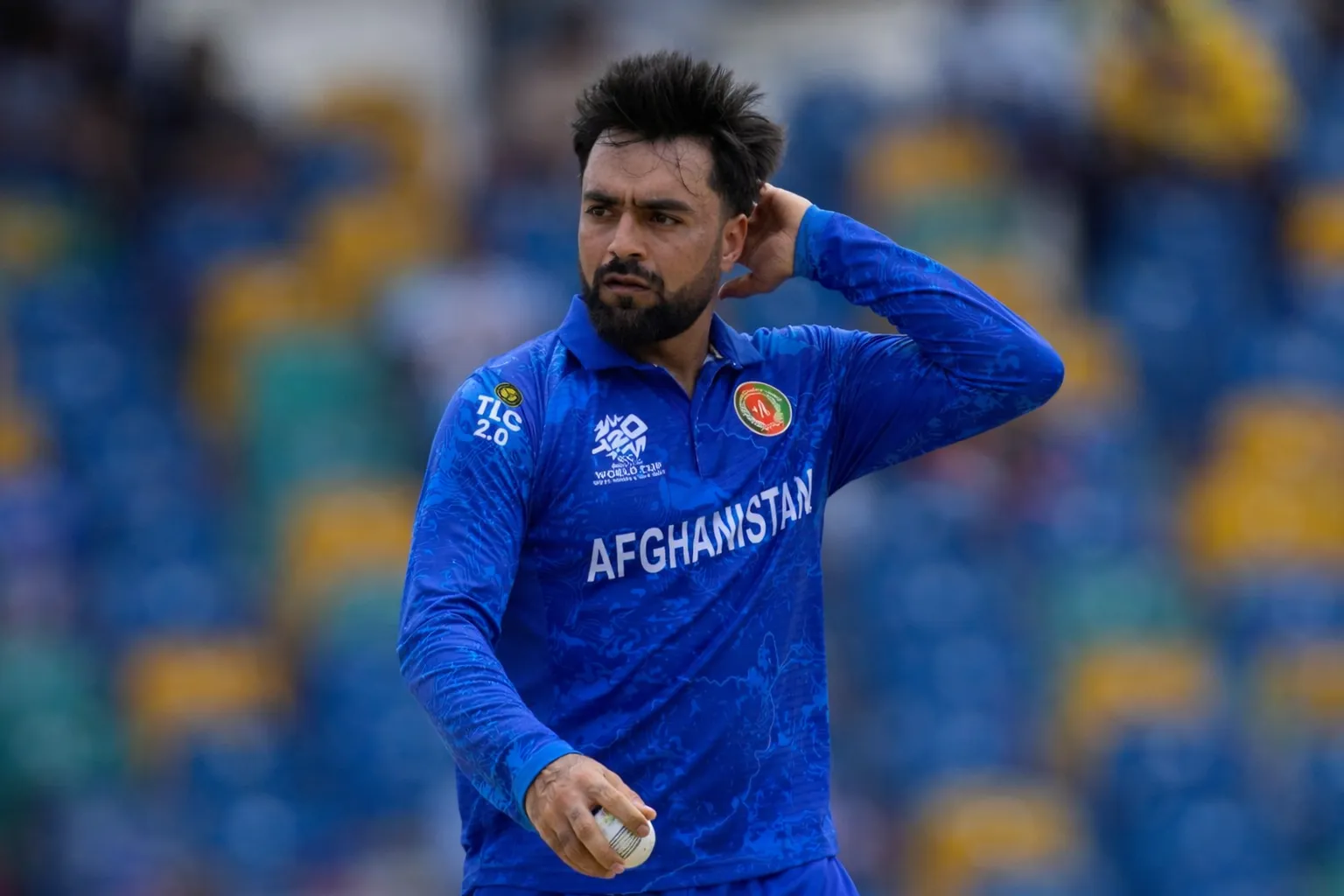
The leadership structure of Afghanistan’s national cricket team is under discussion after reports indicated that the Afghanistan Cricket Board (ACB) is reviewing the captaincy of star spinner Rashid Khan. The move comes as part of a broader evaluation of team performance and long-term planning for upcoming international competitions.
According to officials familiar with the developments, the board has been assessing the team’s leadership approach across formats. The discussions reportedly include whether a change in captaincy could help the team strengthen its preparations for future tournaments and maintain consistent performances at the international level.
While no final decision has been officially announced, cricket administrators have indicated that leadership roles within the national team may be adjusted in the coming months.
Review Linked to Strategic Planning
Sources within Afghanistan’s cricket administration have suggested that the review is part of routine planning rather than a response to a single event. National cricket boards periodically reassess team structures, including captaincy positions, particularly before major international cycles.
Officials have stated that the aim is to ensure that Afghanistan’s cricket team remains competitive as the sport continues to evolve globally. With increasing participation in international tournaments and bilateral series, administrators are evaluating the best leadership model for the squad.
Afghanistan Cricket Board has not confirmed any replacement for the captaincy role, and discussions remain ongoing.
Rashid Khan’s Role in Afghanistan Cricket
Rashid Khan has been one of Afghanistan’s most prominent cricket figures over the past decade. Known for his leg-spin bowling and all-round contributions, he has played a central role in the country’s rise within international cricket.
Since making his international debut in 2015, Rashid has represented Afghanistan in all formats and has become one of the leading bowlers in global T20 competitions. His performances in domestic leagues around the world have also elevated his status as one of the sport’s most recognizable players.
In addition to his achievements on the field, he has served in leadership roles for the national team across different formats, guiding Afghanistan through several international tournaments.
Performance and Leadership Challenges
Cricket analysts say that captaincy in modern international cricket involves managing both on-field tactics and off-field responsibilities. For teams with developing cricket infrastructures, leadership roles can be particularly demanding.
Afghanistan’s national side has made significant progress over the past decade, earning Test status and competing regularly in major ICC events. However, maintaining consistent results against established cricketing nations remains a challenge.
Administrators believe that periodic reviews of team leadership can help identify ways to improve strategy, communication and team coordination.
Some reports suggest that Afghanistan may consider separating leadership responsibilities across formats, a strategy used by several international teams. This approach allows players to focus on specific formats while distributing the workload of captaincy.
Background: Afghanistan’s Rapid Rise in Cricket
Afghanistan’s journey in international cricket has been widely regarded as one of the sport’s notable success stories. From competing in lower-tier international tournaments in the early 2000s, the team progressed rapidly through the ranks to achieve Test status in 2017.
Players such as Rashid Khan have played a key role in that development, helping the team gain recognition on the global stage.
The country has also built a strong presence in the T20 format, where Afghan players frequently participate in domestic leagues worldwide.
Despite these achievements, the Afghanistan Cricket Board has continued to emphasize long-term planning to ensure sustainable growth for the sport within the country.
Why the Leadership Decision Matters
Any potential change in captaincy could influence the team’s direction as Afghanistan prepares for upcoming international competitions. Leadership transitions often affect team dynamics, strategy and selection policies.
Cricket experts note that continuity and stability are important factors in team development. At the same time, boards sometimes introduce leadership changes to bring new perspectives or address evolving challenges.
For Afghanistan, the decision could shape preparations for future tournaments and series, particularly as the team seeks to strengthen its performance against top-ranked opponents.
What Happens Next
Officials from the Afghanistan Cricket Board have indicated that discussions regarding leadership roles are ongoing. A final decision is expected after consultations with team management, selectors and senior players.
Until an official announcement is made, Rashid Khan remains one of the central figures in Afghanistan’s cricket setup, continuing his role as a senior player and key contributor to the national side.
The outcome of the review will likely become clearer as Afghanistan prepares for its next series on the international calendar.