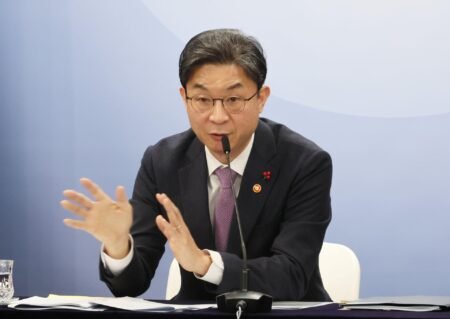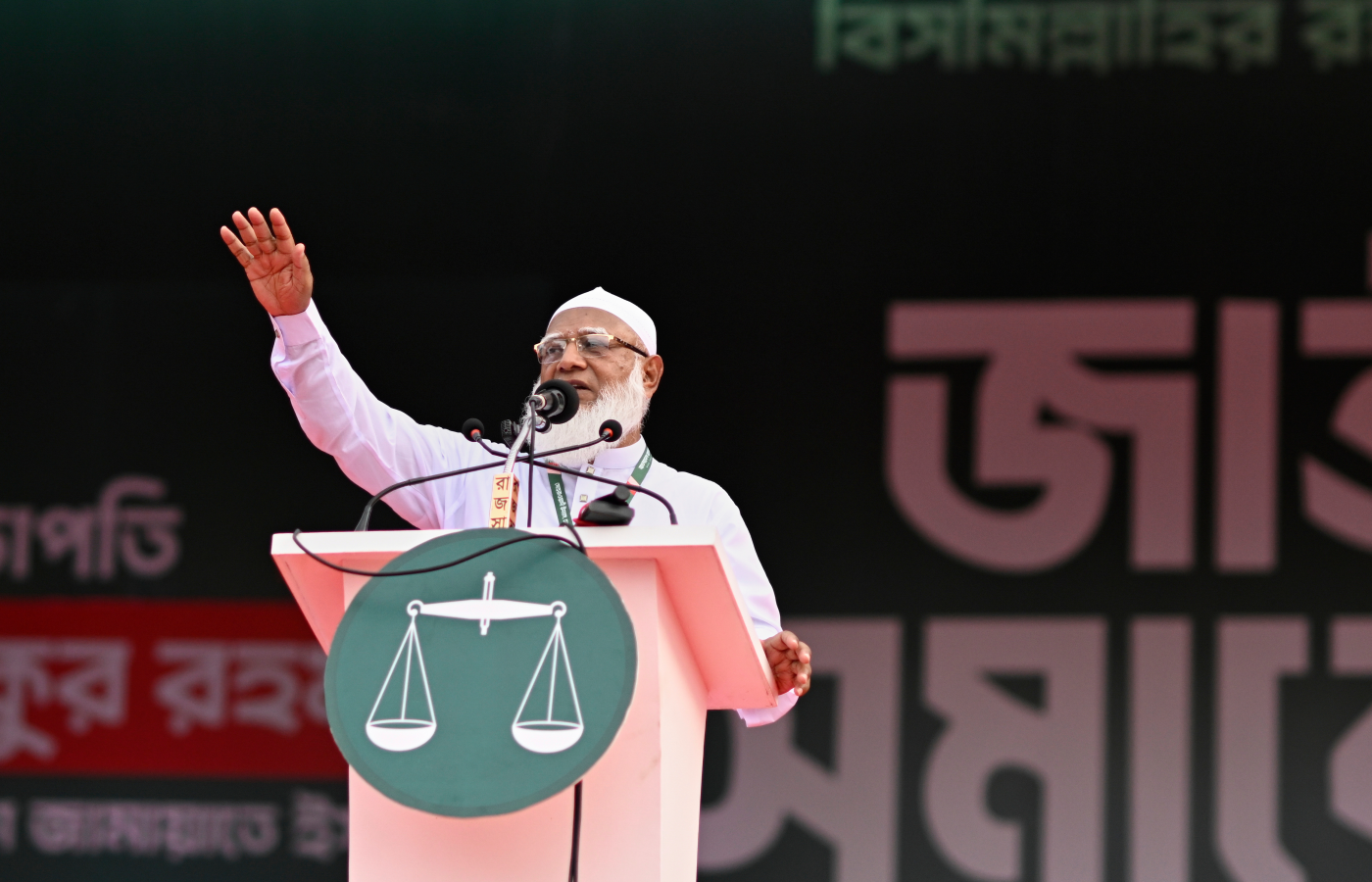
In the bustling political corridors of Dhaka, there is one name that dominates every conversation: Dr. Shafiqur Rahman. Known affectionately as “Dadu” (Grandfather) by his younger followers, the Ameer of Bangladesh Jamaat-e-Islami has emerged from years of state-sponsored shadows to become the most sought-after figure in the 2026 general elections.
Just two years ago, Rahman and his party were on the brink of erasure, banned and persecuted under the Sheikh Hasina regime. Today, following the “July Revolution” of 2024, the landscape has flipped. Rahman is no longer just a leader of an Islamist party; he is being viewed as a disciplined, moderate reformer who might just hold the keys to the next government.
What makes everyone want to meet him? For starters, it is his soft-spoken yet firm demeanor. Unlike the fiery orators of the past, Rahman speaks the language of “inclusive justice.” In a landmark move to shed the party’s hardline image, he has nominated Hindu candidates, like Krishna Nandi, for parliamentary seats—a first in the party’s history. He has been seen visiting temples and meeting minority leaders, promising that “no Hindu will have to leave Bangladesh” under his watch.
However, the “Shafiqur factor” isn’t without its controversies. His recent remarks regarding women in leadership—stating that Islam does not permit women to lead—have sparked a massive debate across the nation. While he promises a “welfare state” with reduced working hours for mothers and better safety, critics argue his vision remains rooted in a patriarchal past.
For international diplomats from Delhi to Washington, meeting Rahman is a necessity. They are trying to gauge if his “modern, liberal democratic” rebranding is a genuine shift or a tactical mask. Rahman himself remains unfazed, claiming he wants a “victory for 180 million people,” not just his party. As February 12 approaches, the physician-turned-politician is no longer just a participant; he is the pulse of the nation’s uncertain future.