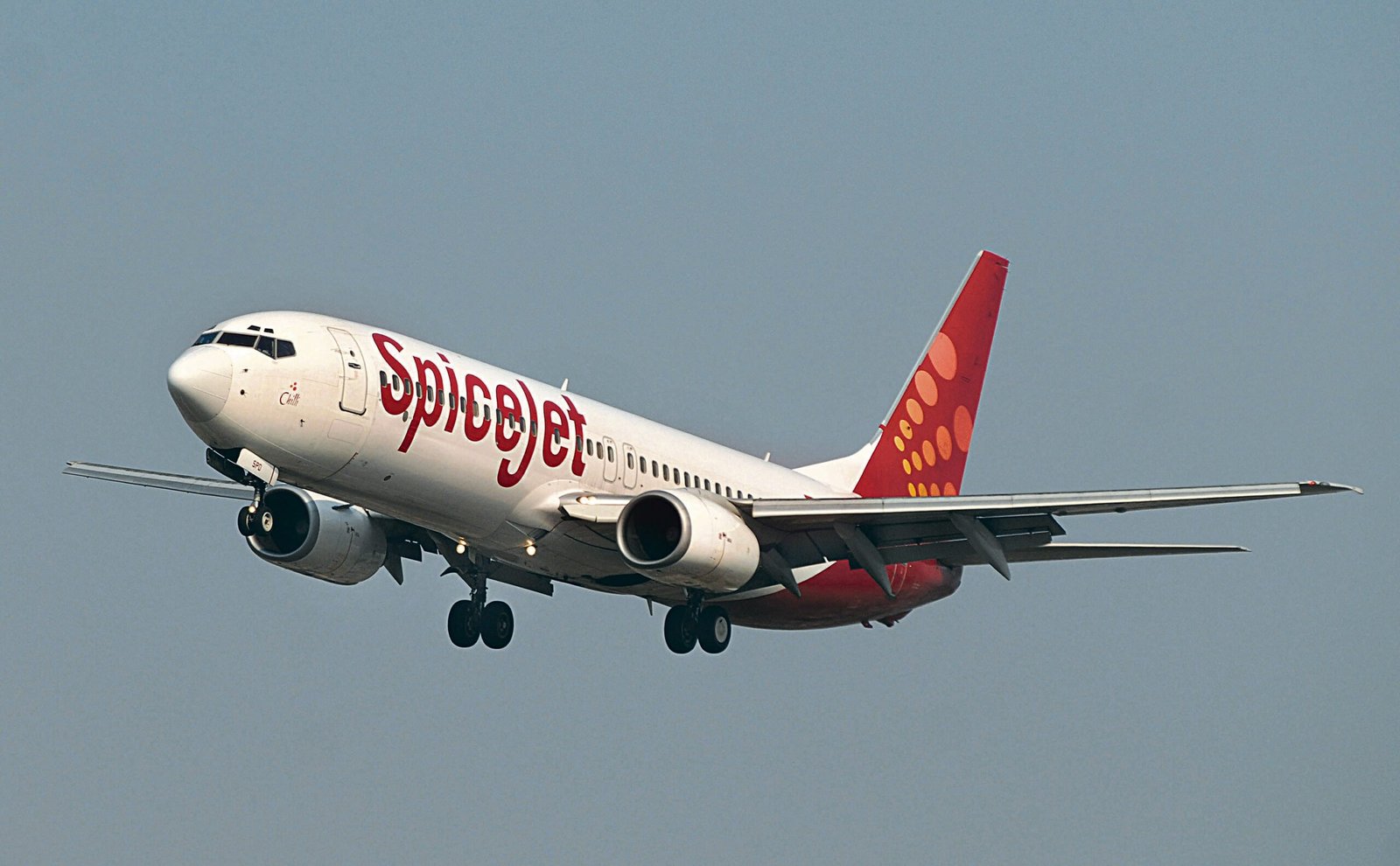
New Delhi | In a development that highlights the lingering financial vulnerabilities of one of India’s prominent budget carriers, SpiceJet has been restricted from entering or flying through the airspace of Bangladesh. The punitive action, enforced by the Civil Aviation Authority of Bangladesh (CAAB), stems from the airline’s prolonged inability to clear significant aeronautical and navigation dues.
The restriction poses immediate operational headaches for the airline. For commercial carriers, airspace isn’t free. Airlines must pay overflight fees to national aviation authorities for the right to traverse their skies and utilize their air traffic control services. SpiceJet’s default on these mandatory payments means that its flights bound for Dhaka, as well as routes operating to India’s Northeast and certain Southeast Asian destinations that traditionally fly over Bangladesh, will now have to take longer, circuitous detours.
This ban forces the airline to burn more aviation turbine fuel (ATF) and increases block times for its flights, driving up operational costs at a time when the carrier is desperately trying to stabilize its balance sheet.
What makes this development particularly striking is the timing. Just as news of the Bangladesh airspace ban broke, SpiceJet management has been heavily publicizing its aggressive turnaround strategy. Following a series of fund-raising efforts—including a major Qualified Institutional Placement (QIP)—the airline has been actively pushing a narrative of revival. The management recently announced ambitious plans to unground its parked aircraft, lease new planes, and significantly expand its operational fleet to reclaim the domestic market share it lost to rivals like IndiGo and Air India Express.
However, industry analysts point out that this incident exposes a stark dichotomy in SpiceJet’s current operations. “It is incredibly difficult to execute a massive fleet expansion when you are simultaneously facing airspace bans from neighboring countries for unpaid utility bills,” noted an aviation consultant. “It sends a confusing signal to lessors, vendors, and passengers.”
The airline is reportedly in talks with Bangladeshi authorities to resolve the payment dispute and lift the ban. Until a financial settlement is reached, however, SpiceJet will have to absorb the logistical and financial penalties of flying around the restricted zone. The incident serves as a harsh reminder that despite fresh capital injections, the ghost of legacy debt continues to haunt the airline’s day-to-day operations.