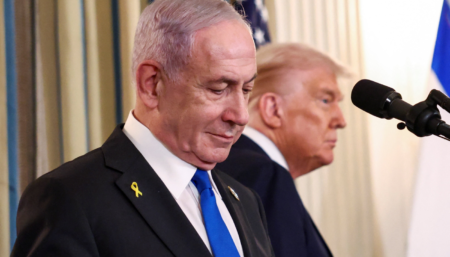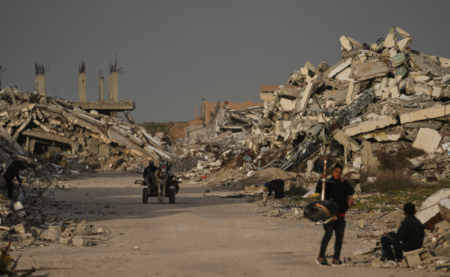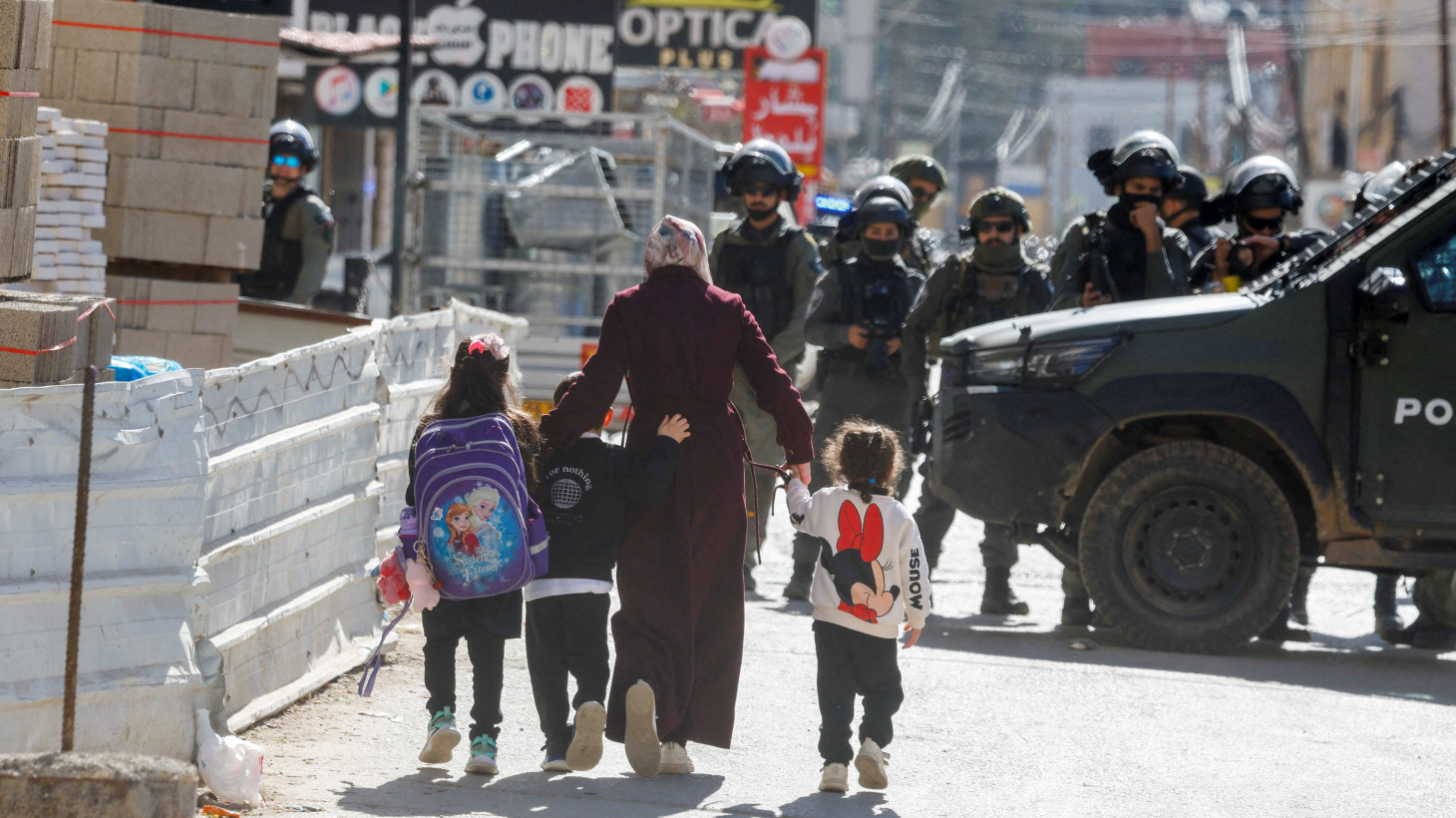
In a significant diplomatic intervention, the White House has formally voiced President Donald Trump’s opposition to Israel’s potential annexation of the occupied West Bank. The statement comes as a direct response to a surge in global condemnation following recent administrative shifts by the Israeli government that many fear are a precursor to a full-scale takeover of the territory.
A senior White House official, speaking on Monday, clarified the President’s stance, emphasizing that a stable West Bank is not just a regional necessity but a cornerstone of Israel’s own security. “A stable West Bank keeps Israel secure and is in line with this administration’s goal to achieve peace in the region,” the official stated. This pivot suggests that while the Trump administration remains a close ally of Israel, it is wary of unilateral moves that could permanently derail long-term stability.
The friction began when Israel’s far-right Finance Minister Bezalel Smotrich and Defense Minister Israel Katz announced measures that effectively transfer authority over building permits and religious sites from the Palestinian Authority to Israeli control. Smotrich has been vocal about his intentions, recently stating that these changes were designed to “bury the idea of a Palestinian state.”
This internal Israeli push has triggered an international outcry. A coalition of eight Muslim-majority nations—including Saudi Arabia, Qatar, Turkiye, and the UAE—issued a joint statement denouncing the measures as “unlawful sovereignty.” Similarly, the United Kingdom, Spain, and the European Union have labeled the moves inconsistent with international law and a threat to a future two-state solution.
United Nations Secretary-General Antonio Guterres described the Israeli actions as “destabilizing,” warning that they are driving the region further away from a peaceful resolution. Even as Israel deepens its roots in the territory, the pushback from Washington indicates that the White House is not prepared to give a green light to annexation just yet.
For the Trump administration, the focus appears to be on maintaining a delicate balance. By opposing the annexation, the White House seeks to prevent a new wave of violence while keeping its broader regional peace plans viable. Whether the far-right elements in the Israeli cabinet will heed this warning from their most important ally remains the central question for the coming weeks.