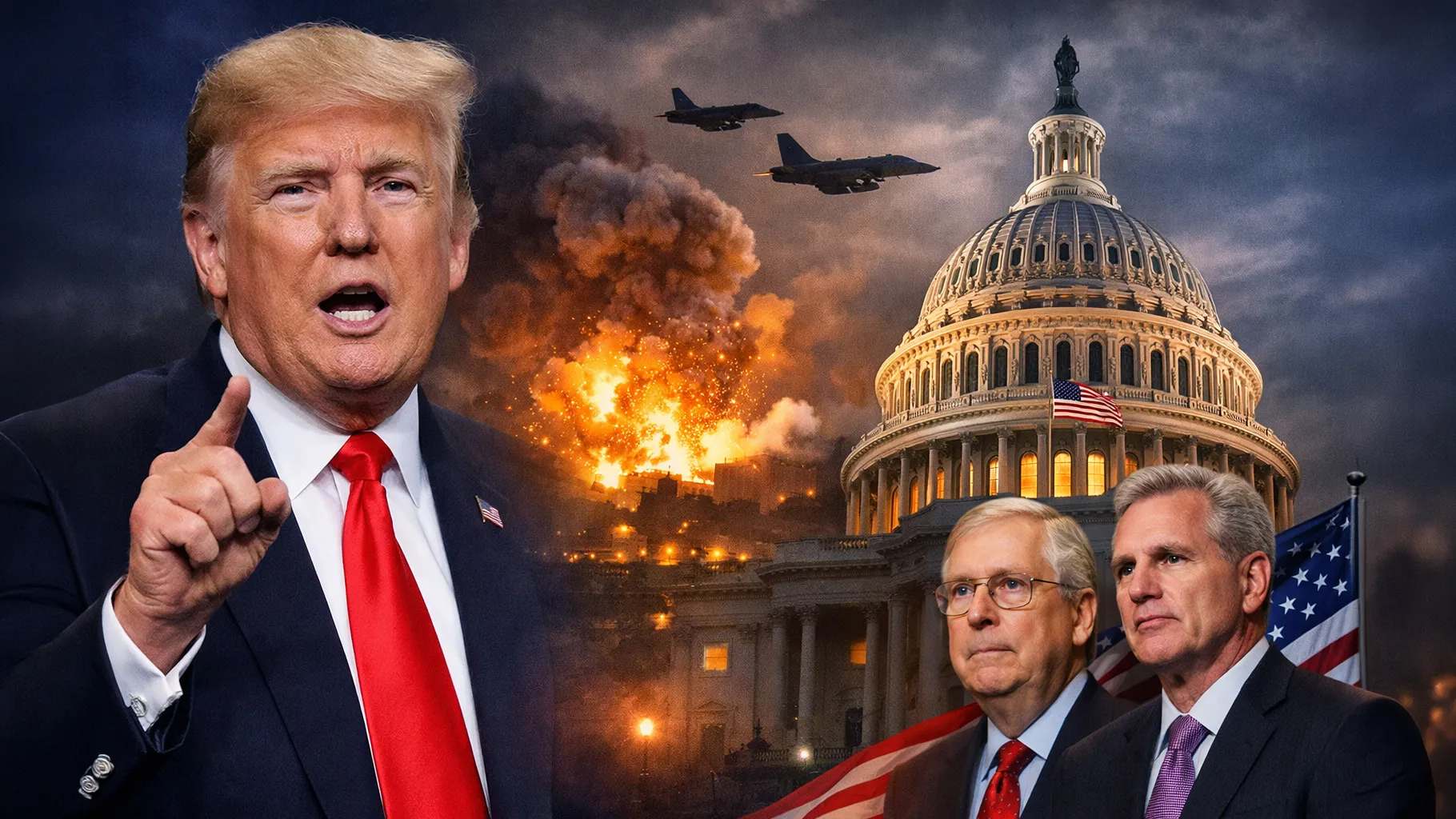
Washington: US President Donald Trump has secured broad support from senior Republican leaders for recent military strikes targeting Iran, even as segments of the party’s anti-interventionist wing voiced concerns about the risks of deeper involvement in the Middle East.
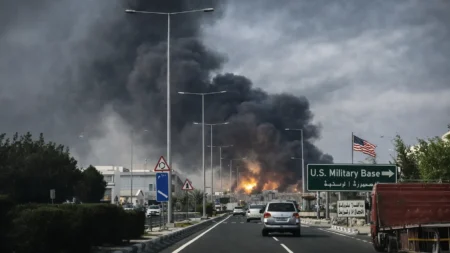
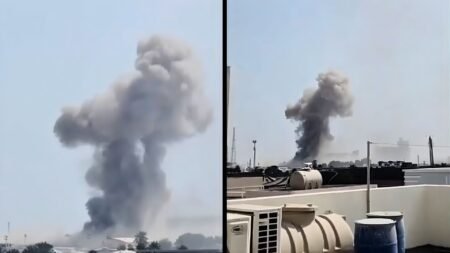
In remarks delivered at the White House, President Trump said the strikes were aimed at countering what he described as immediate security threats. “The United States will defend its people and its allies,” he stated, adding that the action was designed to deter further escalation. Administration officials characterized the operation as limited in scope and focused on specific targets.
Top Republican lawmakers publicly endorsed the president’s decision. The Speaker of the House said in a statement that the administration had acted to protect American interests and maintain regional stability. A senior Republican senator described the move as a necessary step to prevent further attacks on US personnel and allies in the region.
However, divisions within the Republican Party were also evident. Members associated with the party’s more anti-war or non-interventionist wing questioned whether the strikes could lead to prolonged engagement. Some lawmakers called for a clearer articulation of long-term objectives and emphasized the constitutional role of Congress in authorizing extended military action.
One Republican representative said that while national security remains paramount, any sustained campaign would require detailed briefings and oversight. “Congress must be fully informed about the strategy and its implications,” the lawmaker said during a televised interview.
Democratic leaders responded by seeking additional clarity from the administration. Several members of Congress indicated they would request classified briefings to better understand the scope of the operation and its intended outcomes. The White House said consultations with congressional leaders were ongoing.
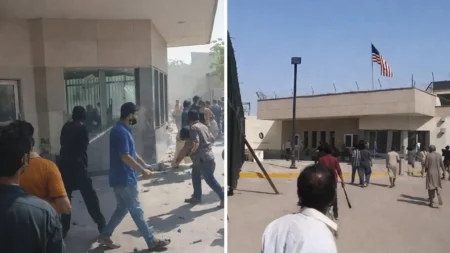
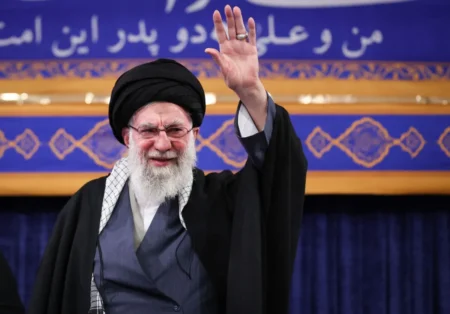
The strikes follow heightened tensions between Washington and Tehran in recent months. Disputes over regional security, Iran’s military posture and prior incidents involving US forces have contributed to strained relations. Iranian authorities have condemned the strikes, describing them as violations of sovereignty, and warned of potential consequences. However, specific details about any response have not been publicly outlined.
The United States and Iran have had a complex relationship for decades, shaped by sanctions, diplomatic efforts and periodic confrontations. During Trump’s previous term in office, the United States withdrew from the 2015 nuclear agreement and reinstated economic sanctions on Iran, a move that significantly increased bilateral tensions.
Foreign policy analysts say the latest developments highlight the evolving debate within US politics about America’s role in the Middle East. While many Republicans have traditionally supported a strong military posture, a growing faction within the party advocates reducing overseas commitments and focusing more on domestic priorities.
Global markets reacted cautiously to news of the strikes. Oil prices saw short-term fluctuations amid concerns about potential disruptions to supply routes in the Gulf. The region remains a key corridor for international energy shipments, and investors are closely monitoring the situation.
International reactions have been measured. Several European governments urged restraint and emphasized the importance of diplomatic engagement to prevent further escalation. Regional leaders also called for calm, noting that broader instability could affect trade, energy flows and civilian safety.
For the Trump administration, the political implications are also significant. Decisions involving military action often influence public opinion and legislative dynamics, particularly during periods of heightened geopolitical tension. Analysts suggest that while firm action may strengthen support among some voters, prolonged conflict could renew debates about defense spending and foreign policy priorities.
As of Sunday evening, US officials reiterated that the operation was intended as a targeted response rather than the beginning of an extended campaign. The coming days are likely to determine whether tensions ease or intensify, depending on diplomatic efforts and Iran’s next steps.