Kolkata, January 10, 2026 – The political temperature in West Bengal has reached a boiling point following the Enforcement Directorate’s (ED) searches at locations linked to the Indian Political Action Committee (I-PAC) on January 8. I-PAC, the consultancy firm that steered the Trinamool Congress (TMC) to victory in 2021, is now at the center of a money laundering investigation that the Opposition calls “blatantly political.”
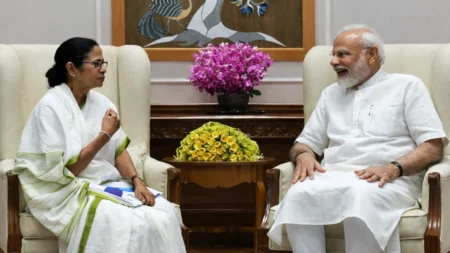
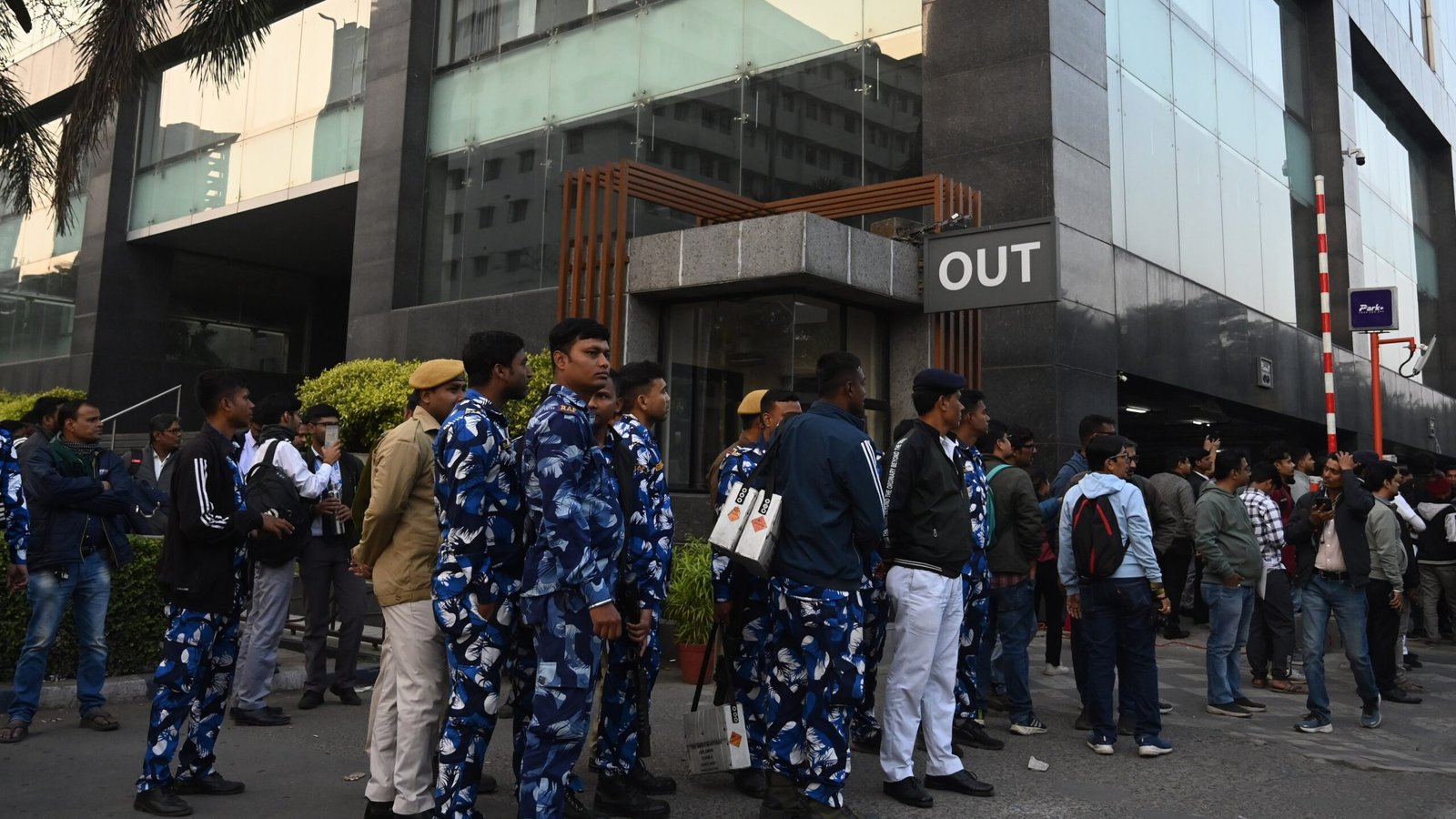
The Confrontation Chief Minister Mamata Banerjee made a high-profile visit to the I-PAC office while raids were underway, accusing the BJP-led Central government of using agencies to seize the TMC’s internal data and digital strategies. “This is not just a raid; it is an attempt to steal our election strategy,” Banerjee told reporters, calling it a direct assault on democratic norms.

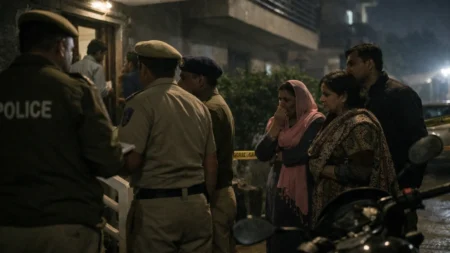
The ED’s Stand The ED, however, maintains that the searches are part of an ongoing probe into the “proceeds of crime” and are entirely unrelated to the upcoming Assembly elections. The agency has moved the Calcutta High Court, alleging that its officials were obstructed and that crucial documents were removed from the premises by TMC supporters.
A Growing Pattern The incident fits into a broader national pattern that has seen central agencies—including the CBI and IT Department—becoming hyperactive in states ruled by Opposition parties. From the freezing of Congress party accounts during the 2024 General Elections to the current raids in Bengal, critics argue that the “independence” of these institutions is being compromised.
While the legal merits of the ED case remain to be seen in court, the timing of the action has cast a shadow over the integrity of the electoral process. The BJP’s aggressive pursuit in West Bengal may yield political gains, but analysts warn it risks eroding public confidence in the neutrality of India’s state institutions.