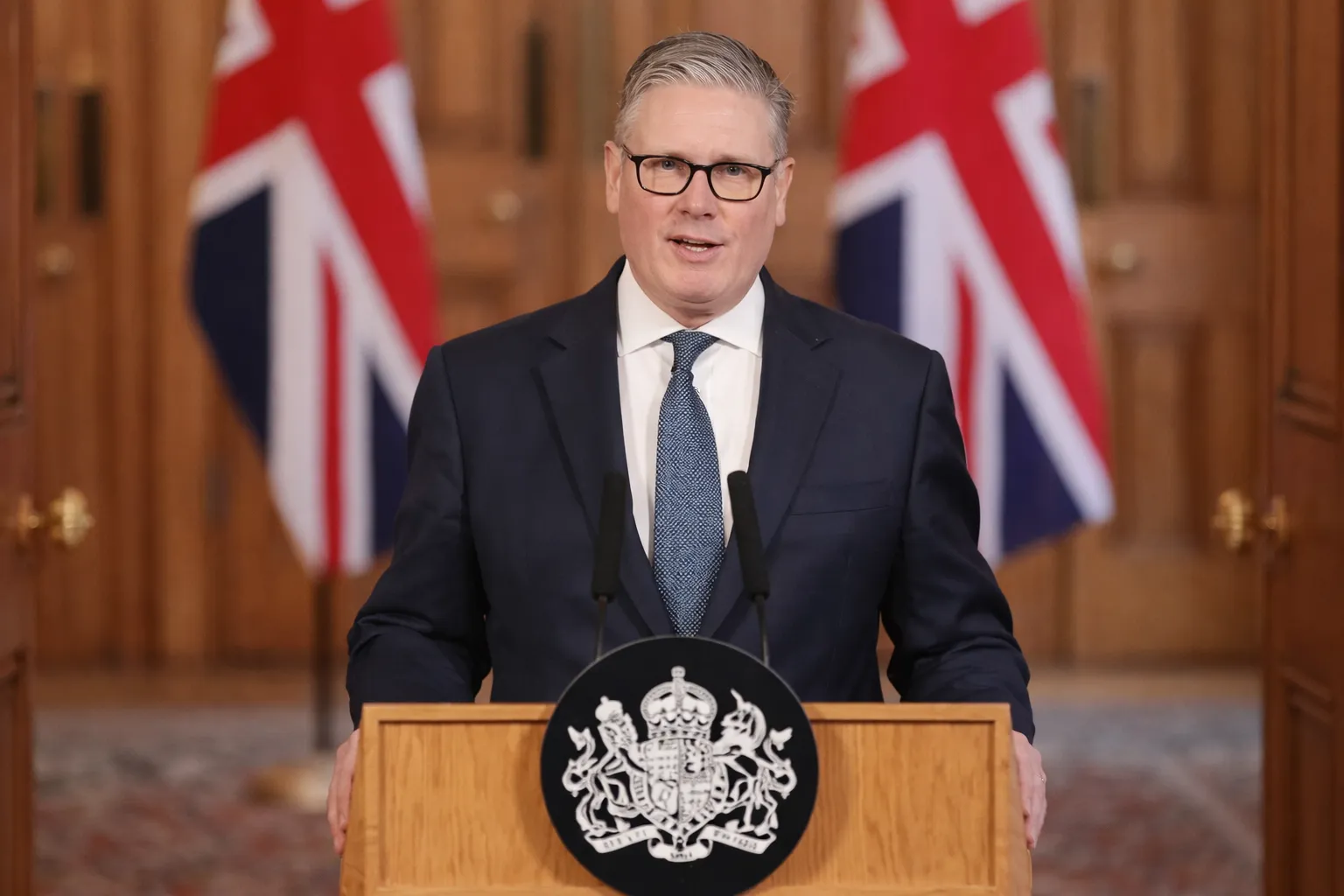
London: UK Prime Minister Keir Starmer has said the United States could use British military bases to carry out what he described as defensive actions in response to escalating tensions involving Iran. His remarks come amid heightened geopolitical strain following recent developments in the Middle East.
Speaking to reporters, Starmer said that any cooperation would be consistent with existing defence agreements between the two countries. He emphasised that the UK’s role would be guided by international law and focused on defensive objectives rather than offensive escalation.
“The United Kingdom stands by its allies in matters of security,” Starmer said, adding that decisions would be taken carefully and within established legal frameworks. He did not specify particular bases or operational timelines.
Defence Cooperation
The UK and the US maintain long-standing military cooperation, including access to certain British facilities for joint operations. Bases such as RAF Akrotiri in Cyprus and installations on British soil have historically supported allied missions in the Middle East.
Defence analysts note that allowing access does not automatically imply direct participation in military action. Rather, it reflects the depth of strategic coordination between the two countries. “These arrangements are part of a broader security partnership that has existed for decades,” a London-based defence expert said.
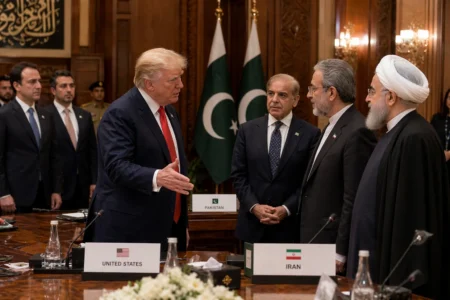
Starmer’s statement comes at a time when international observers are closely watching developments involving Iran and Western allies. Recent incidents in the region have raised concerns about further escalation.
Political Reaction
Opposition figures and some lawmakers have called for clarity regarding the extent of Britain’s involvement. In Parliament, members across parties sought assurances that any use of UK bases would comply with domestic and international legal obligations.
A spokesperson for the Prime Minister’s office reiterated that Britain’s priority remains de-escalation and regional stability. “Our objective is to support defensive measures that protect lives and uphold international security,” the spokesperson said.
While the government has not indicated plans for direct engagement, officials confirmed that consultations with allies are ongoing.
Background
The UK has historically supported US-led operations under NATO and bilateral arrangements. British facilities have played roles in logistics, surveillance and air operations linked to various missions.
Iran’s relations with Western nations have been strained over issues including nuclear policy and regional security. In recent months, tensions have intensified following incidents involving military assets and strategic sites.
Security analysts say that statements from allied leaders often aim to signal deterrence while leaving room for diplomatic engagement. “Public messaging is a balance between reassurance and caution,” one analyst observed.
Implications
Starmer’s remarks are likely to be scrutinised both domestically and internationally. In the UK, public opinion on foreign military involvement has varied in recent years, with lawmakers often debating the scope of overseas commitments.
From a strategic perspective, reaffirming cooperation may strengthen deterrence, analysts suggest. However, experts also caution that broader stability depends on diplomatic efforts alongside military preparedness.
The UK government has maintained that it supports diplomatic channels to reduce tensions. Officials stressed that defensive coordination does not equate to a shift in foreign policy but reflects existing alliance obligations.
Looking Ahead
As developments continue in the Middle East, further statements from British and US officials are expected. Parliamentary discussions may also shape the government’s next steps, particularly if operational decisions arise.
For now, Starmer’s position underscores Britain’s commitment to allied defence cooperation while emphasising that any action would adhere to legal standards.
The situation remains fluid, with diplomatic and security channels both active. Observers will watch closely how allied coordination evolves in the coming days.