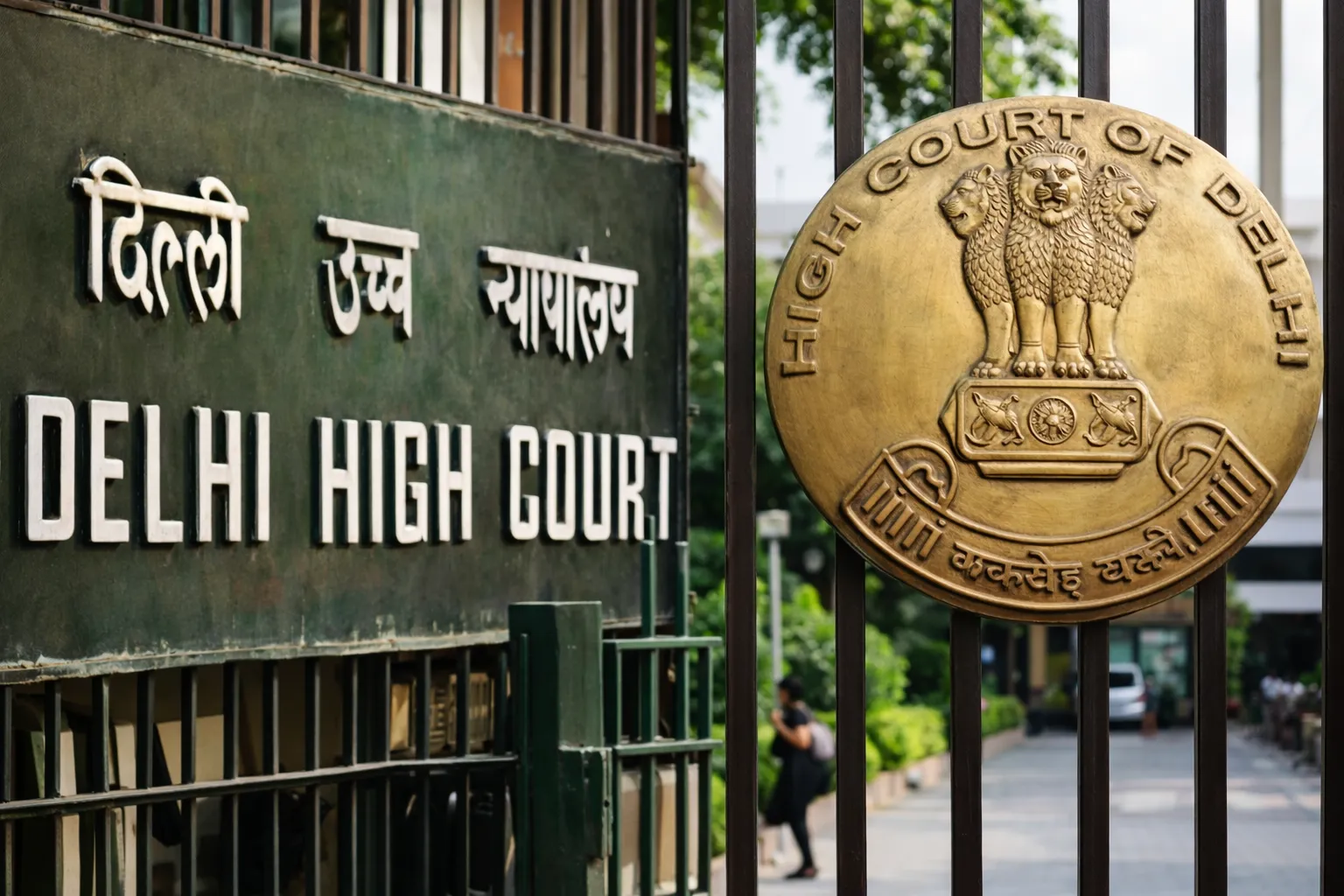
New Delhi: The Delhi High Court has directed the National Testing Agency (NTA) to constitute an expert committee to examine alleged discrepancies in the answer key of the UGC NET December 2025 examination, following petitions filed by candidates challenging certain responses.
A bench of the High Court issued the direction while hearing pleas that questioned the correctness of specific answers published by the NTA after the examination. Petitioners argued that errors in the provisional and final answer keys had adversely affected their scores and eligibility.
The court instructed the NTA to form a panel of subject experts to review the disputed questions and submit its findings within a stipulated timeframe. The bench emphasised the need for a transparent and technically sound review process, given the academic and professional consequences associated with the examination.
Petitioners Challenge Answer Key
Candidates who approached the court contended that some questions in the December 2025 UGC NET paper contained incorrect answers or ambiguous options. They claimed that objections submitted during the official challenge window were not adequately addressed before the final results were declared.
During the hearing, counsel for the petitioners argued that even minor inaccuracies in the answer key could significantly alter qualifying status, particularly for candidates close to the cutoff marks. They sought judicial intervention to ensure independent scrutiny of the disputed responses.
Representing the NTA, government counsel submitted that the agency follows a structured process that includes publication of a provisional key, an opportunity for candidates to raise objections, and review by subject experts before finalising results. However, the court observed that the seriousness of the allegations warranted further examination.
Court’s Direction
The High Court directed the NTA to constitute an independent expert panel comprising qualified academics to reassess the contested questions. The panel has been asked to examine whether the challenged answers were correct and whether any revision is necessary.
The bench clarified that the expert committee’s findings would determine whether corrective measures, including potential revision of results, are required. The matter has been listed for further hearing after the submission of the committee’s report.
Legal observers noted that the court did not immediately order a re-release of results but left the possibility open depending on the outcome of the expert review.
Background on UGC NET
The University Grants Commission National Eligibility Test (UGC NET) is conducted by the NTA to determine eligibility for the post of Assistant Professor and for award of Junior Research Fellowship (JRF) in Indian universities and colleges. The examination is held twice a year and attracts lakhs of candidates across multiple disciplines.
Results of the December 2025 cycle were declared earlier this year. Soon after publication, some candidates raised concerns regarding specific questions and answers, particularly in select subjects. While the NTA’s challenge process allows candidates to pay a fee and submit objections within a specified period, disputes sometimes persist even after final keys are issued.
Over the past few years, competitive examinations conducted by various agencies have faced legal scrutiny over alleged discrepancies in question papers and evaluation processes. Courts have typically balanced the need for administrative finality with fairness to candidates.
Why It Matters
For thousands of candidates, UGC NET qualification determines eligibility for academic careers and research fellowships. Any revision in answer keys could affect individual scores, cut-off marks, and overall merit lists.
Education experts note that clarity and transparency in competitive examinations are critical to maintaining trust in the system. The High Court’s direction underscores the judiciary’s role in ensuring procedural fairness while allowing academic experts to evaluate technical disputes.
Candidates awaiting clarity on the outcome have expressed concern about potential delays in appointments and fellowship processes if results are revised. Universities and institutions that rely on NET qualification for recruitment may also need to await final confirmation before proceeding with selections.
Next Steps
The NTA is expected to announce the constitution of the expert panel shortly, in compliance with the court’s order. The committee’s review will determine whether any changes to the answer key are warranted and whether the December 2025 results require modification.
The High Court will take up the matter again after the submission of the expert report. Until then, the existing results remain in place, subject to the court’s final direction.
The case highlights the importance of rigorous review mechanisms in large-scale competitive examinations, particularly those that shape academic and professional futures.