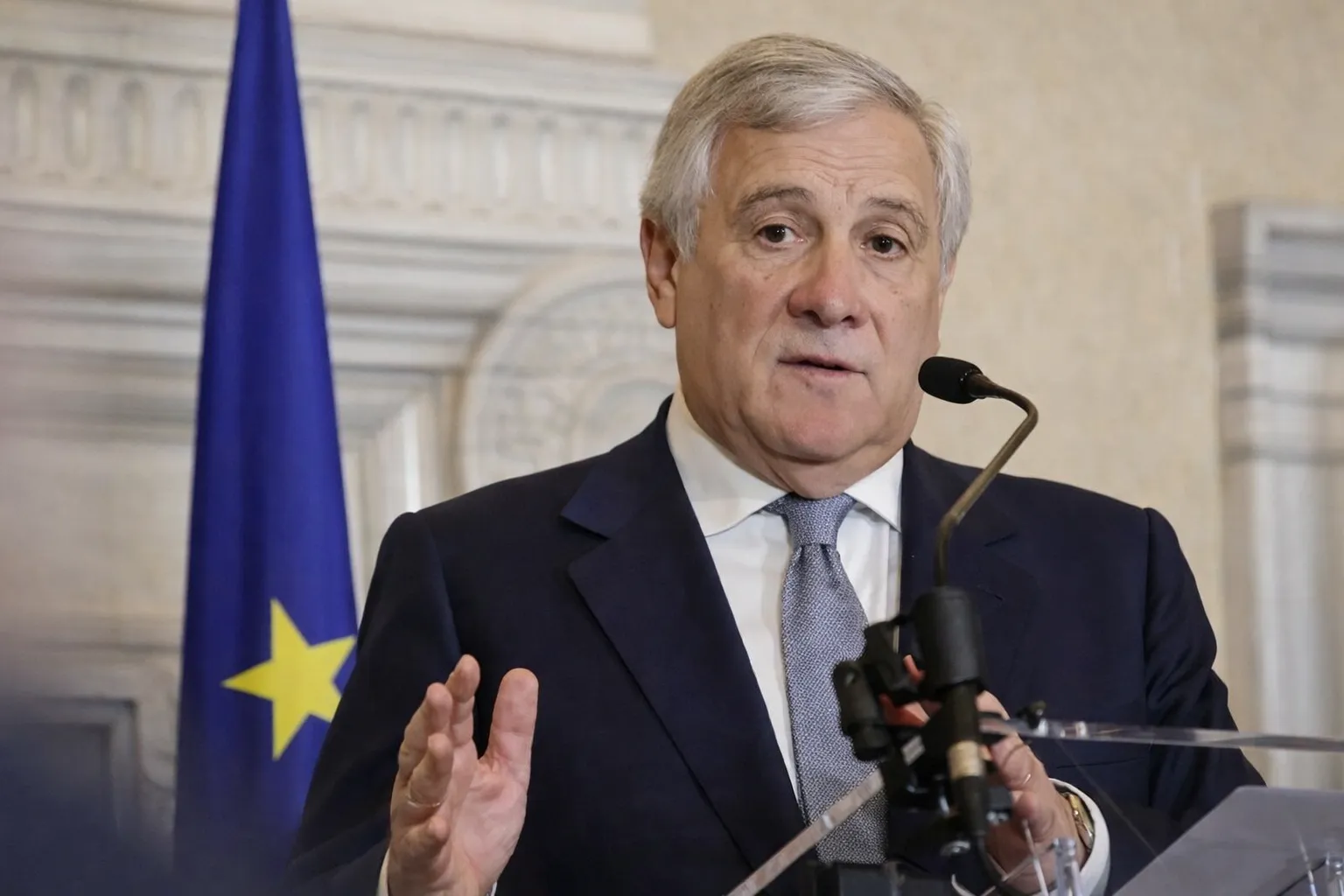
ROME: Italy’s government is preparing a range of measures to reduce the potential economic impact of the escalating crisis involving Iran, Foreign Minister Antonio Tajani told parliament on Thursday, as European governments monitor possible disruptions to energy markets and trade routes.
Speaking during a parliamentary session in Rome, Tajani said the government is closely tracking developments in the Middle East and is ready to intervene if the situation begins to affect Italy’s economic stability. He indicated that the government is coordinating with other European partners and domestic institutions to ensure that the country can respond quickly to market volatility or supply disruptions.
“The government is prepared to act to mitigate the economic consequences of the crisis,” Tajani told lawmakers, noting that the priority is to protect businesses, households, and national energy security.
Monitoring Energy Markets and Trade Risks
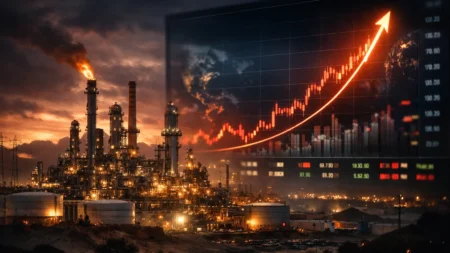
The Italian government’s concern largely stems from the possibility that the conflict could disrupt oil and gas supplies passing through key maritime routes in the Middle East. The Strait of Hormuz, a strategic passage for global energy shipments, handles a significant share of the world’s oil and liquefied natural gas exports. Any instability in the region can lead to higher energy prices and uncertainty in international markets.
Officials in Rome say that although Italy is not among the European countries most dependent on Middle Eastern oil, the country remains exposed to global price movements. A sustained increase in energy costs could raise inflation, affect industrial production, and increase expenses for households and businesses.
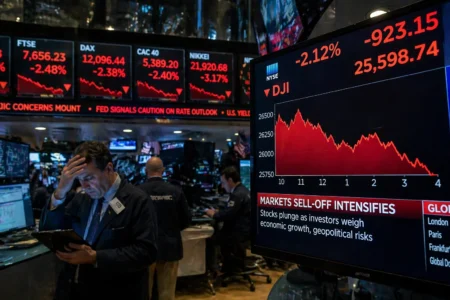
Recent movements in global oil markets have already reflected rising geopolitical tensions. Analysts warn that further escalation in the region could amplify price volatility and place additional pressure on European economies that are still adjusting to energy market disruptions seen in recent years.
Government Preparedness Measures
Italian authorities say they are reviewing contingency plans to manage potential economic stress, including measures aimed at stabilizing energy supply and controlling price spikes.
Energy officials have previously stated that Italy’s diversified network of gas suppliers—including imports from countries such as Norway, Algeria, and Azerbaijan—provides a degree of resilience in the face of disruptions. Storage levels are also considered relatively strong compared with other European countries.
The government is also examining possible fiscal and regulatory responses if energy prices surge significantly. Policymakers have signaled a willingness to intervene in markets if speculation or sudden price increases begin to affect consumers.
In recent days, Prime Minister Giorgia Meloni has suggested that the government could consider additional taxes on companies that profit excessively from sudden increases in gas prices triggered by geopolitical tensions. The proposal is part of a broader strategy aimed at preventing speculation in energy markets while supporting households facing higher utility bills.
European Context and Wider Economic Concerns
Italy’s response reflects wider concerns across the European Union about the economic consequences of instability in the Middle East. European policymakers have warned that an extended conflict could affect energy supplies, shipping routes, and global trade flows.
Economists say that the impact will depend largely on the duration and intensity of the crisis. Short-term disruptions may lead to temporary spikes in oil and gas prices, while prolonged instability could slow economic growth across Europe by increasing energy costs and reducing investor confidence.
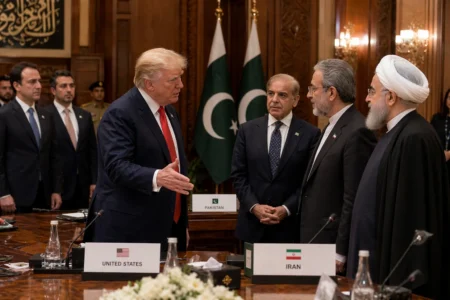
European Union leaders have already called for restraint and diplomatic efforts to prevent further escalation, emphasizing the risks to global economic stability.
Implications for Italy
For Italy, the immediate challenge is to shield the domestic economy from external shocks. Energy-intensive industries, including manufacturing and transport, are particularly sensitive to fluctuations in fuel prices. Higher energy costs can quickly translate into increased production expenses and reduced competitiveness.
Households could also feel the effects if fuel and electricity prices rise. Over the past several years, Italian authorities have introduced various measures—including subsidies and tax adjustments—to help families manage higher energy bills during periods of market volatility.
Government officials say that similar measures could be considered again if the current geopolitical tensions lead to sustained increases in energy costs.
Outlook
While the situation in the Middle East remains fluid, Italian authorities say their focus is on preparedness rather than immediate intervention. Officials continue to monitor developments in coordination with European partners and international institutions.
Tajani told lawmakers that Italy’s approach will prioritize economic stability and energy security while maintaining diplomatic engagement aimed at reducing regional tensions.
“Our objective,” he said, “is to ensure that Italy’s economy remains protected even in a period of international uncertainty.”