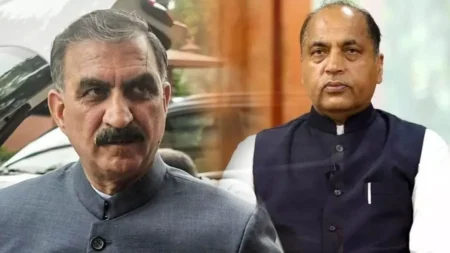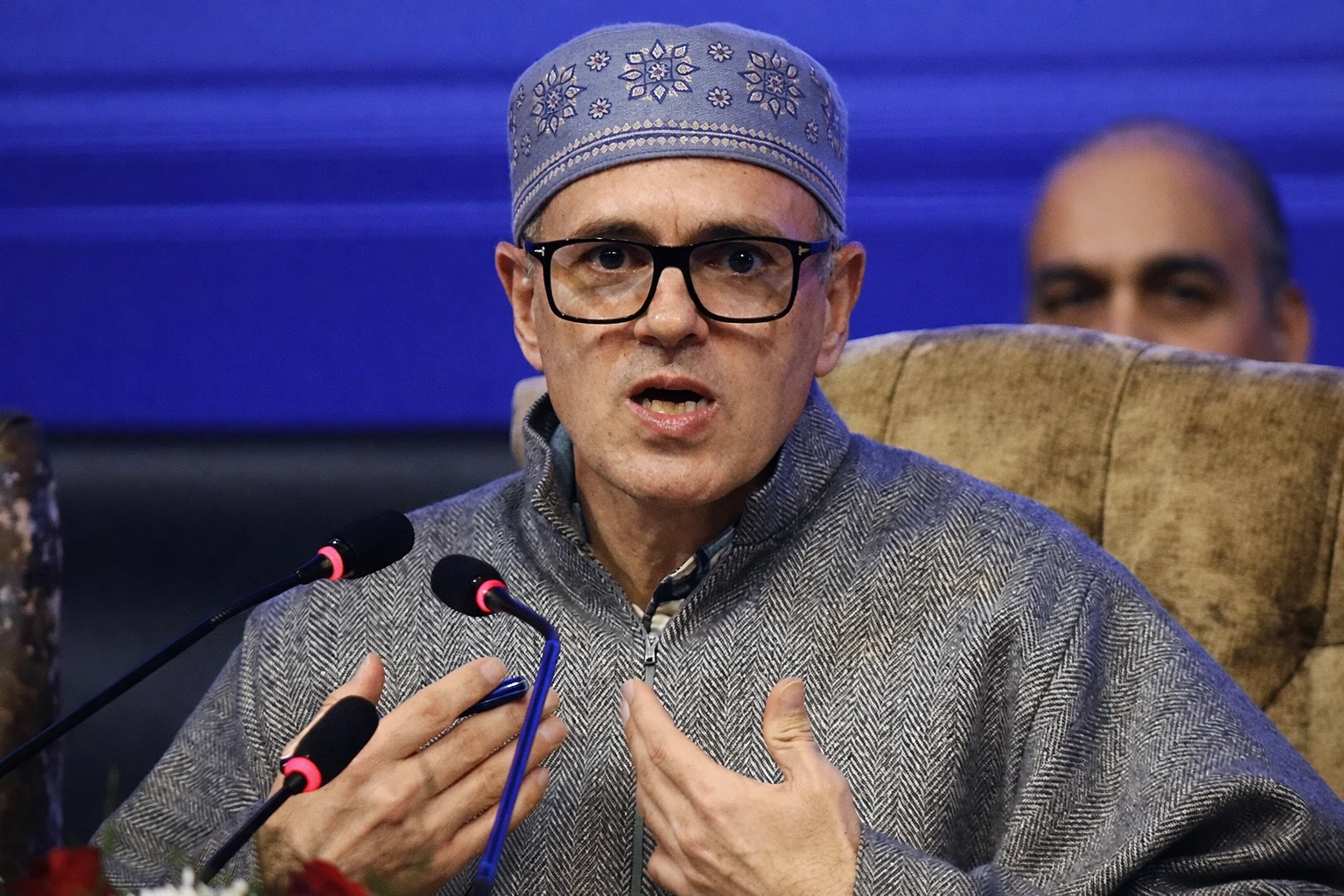
Srinagar, March 7 — Jammu and Kashmir Chief Minister Omar Abdullah has criticised recent United States military strikes on Iran, stating that military force cannot be used as a tool to impose political change. His remarks come amid growing international concern over escalating tensions in the Middle East following reports of US-led strikes targeting Iranian facilities.
Abdullah’s comments were made during a public discussion on international developments and the implications of the escalating conflict in the region. He said the use of military action to alter political systems has historically produced limited results and often leads to prolonged instability.
Omar Abdullah Questions Military Approach
Addressing the issue, Omar Abdullah argued that attempts to bring political change through military intervention rarely achieve the intended outcome.
“Bombs cannot bring about regime change,” Abdullah said while commenting on the recent strikes. He added that history has shown that political transformations usually come through internal movements and democratic processes rather than external military pressure.
His remarks reflected broader concerns among political leaders and analysts about the potential consequences of expanding military action in the Middle East.
Global Reactions to the Strikes
The reported US strikes on Iranian targets have triggered widespread debate internationally. Governments and diplomatic observers have expressed concern about the possibility of the situation escalating into a wider regional conflict.
Several countries have called for restraint and urged all parties involved to avoid actions that could further destabilise the region. Diplomatic channels are reportedly being used to encourage dialogue and reduce tensions.
The developments have also prompted discussions about the long-term geopolitical impact of renewed military activity in the Middle East.
Concerns Over Regional Stability
Analysts say that the Middle East remains a region with complex political dynamics and longstanding rivalries. Any escalation involving major powers could have broader implications for global security and economic stability.
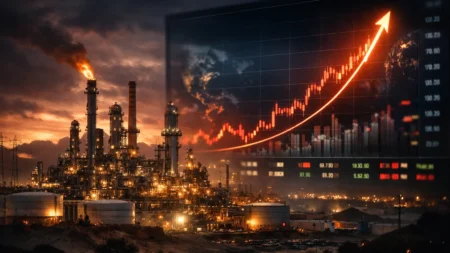
Energy markets are also closely monitoring the situation because the region plays a crucial role in global oil supply. Prolonged instability could affect trade routes and economic conditions in several countries.
Observers believe that diplomatic engagement will be critical in preventing the conflict from expanding beyond its current scope.
Background of US-Iran Tensions
Relations between the United States and Iran have remained strained for decades. Disagreements over Iran’s nuclear programme, regional influence and military activities have repeatedly brought the two countries to the brink of confrontation.
In recent years, tensions have periodically escalated through sanctions, military deployments and proxy conflicts involving regional allies.
The latest developments are being closely watched by governments and international organisations concerned about the potential impact on regional security.
US–Iran tensions and the history of conflicts in the Middle EastWhy This Matters
The remarks by Omar Abdullah highlight an ongoing global debate about the effectiveness of military intervention in international politics.
Conflicts in the Middle East often have consequences that extend beyond the region, influencing global diplomacy, economic stability and international security frameworks.
For many observers, preventing further escalation remains a key priority for world leaders and international institutions.
What Comes Next
Diplomatic efforts are expected to continue as global leaders attempt to reduce tensions between the United States and Iran. Analysts believe that negotiations and international mediation may play a crucial role in shaping the next phase of the crisis.
In the coming days, governments across the world are likely to monitor developments closely while encouraging dialogue aimed at preventing further military escalation.