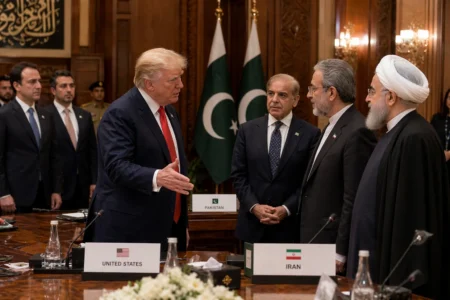
Washington, March 7 — Tensions between the United States and Iran remain one of the most significant geopolitical flashpoints in the Middle East, shaped by decades of political confrontation, military incidents and diplomatic disputes. The strained relationship between the two countries has repeatedly influenced conflicts across the region and continues to affect global security and energy markets.
Recent developments in the Middle East have once again drawn attention to the long history of rivalry between Washington and Tehran. Analysts say the relationship has been marked by cycles of confrontation, negotiations and strategic competition involving several regional actors.
Origins of US–Iran Hostility
The roots of tensions between the United States and Iran date back to the late 20th century, particularly after the Iranian Revolution of 1979. The revolution led to the overthrow of the Shah, a close ally of the United States, and the establishment of an Islamic Republic under Ayatollah Ruhollah Khomeini.
Relations deteriorated further after the US embassy hostage crisis in Tehran, when American diplomats were held for more than a year. The episode deeply affected diplomatic ties and led to decades of mistrust between the two nations.
Since then, diplomatic relations have remained limited, with both countries frequently accusing each other of undermining regional stability.
Regional Conflicts and Strategic Rivalry
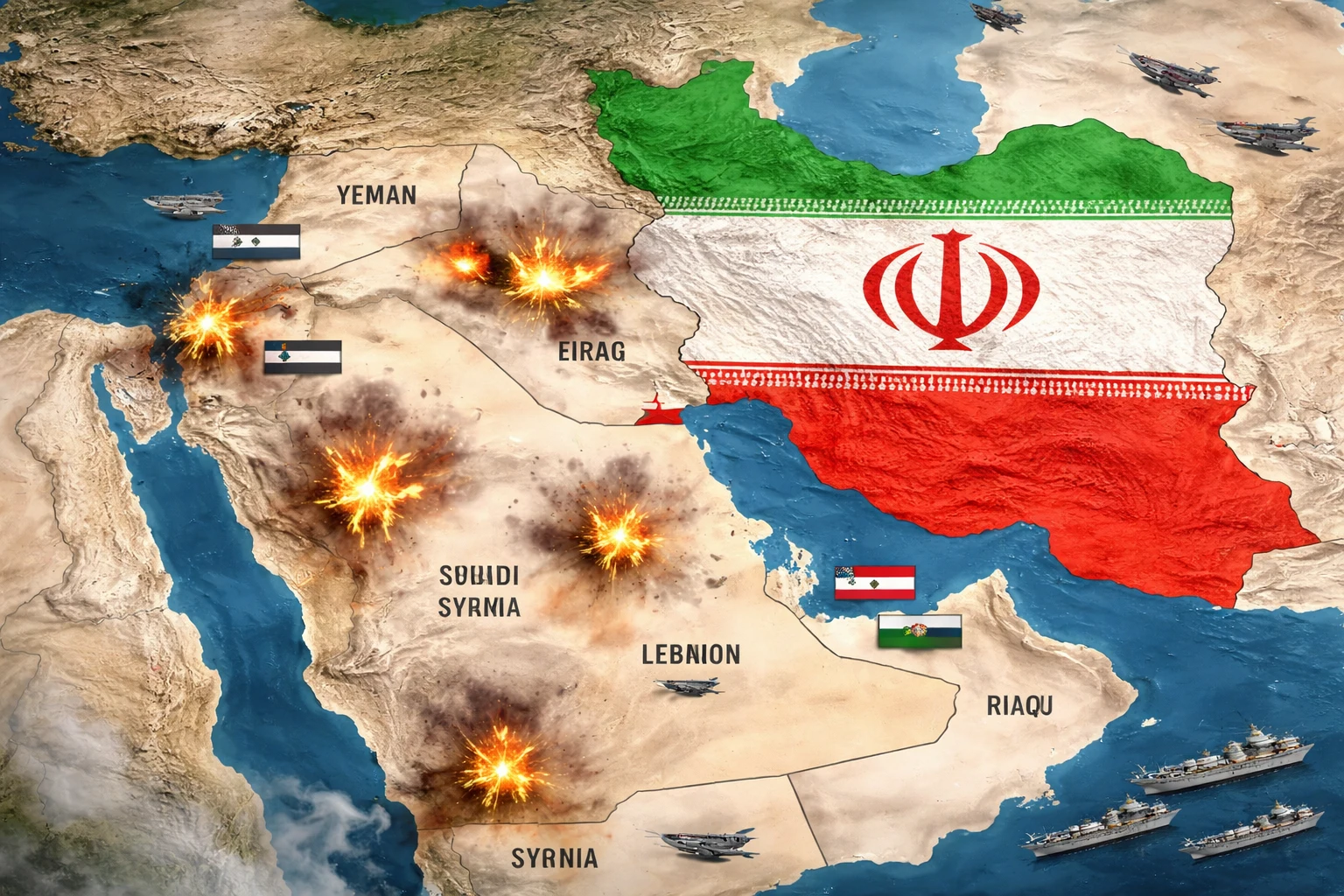
Over the years, the rivalry between Washington and Tehran has played out across several regional conflicts. Iran has developed alliances with political and armed groups in countries such as Lebanon, Iraq and Syria, while the United States has maintained partnerships with regional governments including Israel and several Gulf states.
These competing alliances have often intensified political tensions and contributed to proxy conflicts across the Middle East.
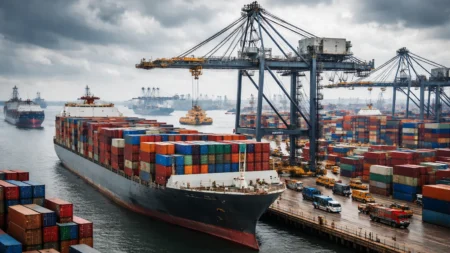
Security analysts say the rivalry is not only ideological but also strategic, involving influence over trade routes, military presence and regional power balance.
The Nuclear Dispute
One of the central issues in US–Iran relations has been Iran’s nuclear programme. Western governments have long expressed concerns that the programme could be used to develop nuclear weapons, an allegation Iran has repeatedly denied.
In 2015, Iran and several world powers reached a nuclear agreement designed to limit Tehran’s nuclear activities in exchange for the lifting of economic sanctions. However, the deal faced challenges in subsequent years, leading to renewed tensions.
Sanctions, diplomatic negotiations and security concerns surrounding the nuclear issue have continued to shape relations between the two countries.
Impact on Middle East Stability
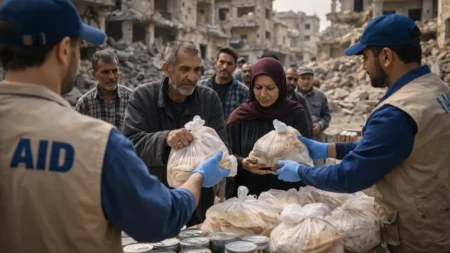
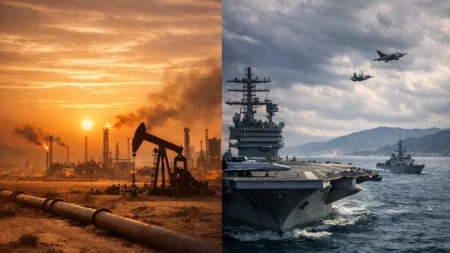
Conflicts involving the United States and Iran have broader implications for stability across the Middle East. Military confrontations, sanctions and regional alliances influence security dynamics across multiple countries.
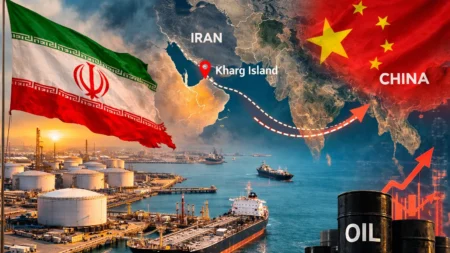
The region is also central to global energy supplies, making political instability a matter of international concern.
Governments and international organisations often emphasise the importance of diplomacy in preventing tensions from escalating into wider conflict.
Omar Abdullah Criticises US Strikes on Iran Amid Rising TensionsWhy This Matters
The US–Iran relationship affects not only regional politics but also global economic and security frameworks. Energy markets, international trade routes and diplomatic relations among major powers are often influenced by developments in the Middle East.
Experts say that maintaining communication channels and diplomatic engagement remains crucial in reducing the risk of military escalation.
For policymakers around the world, managing tensions between Washington and Tehran remains a key challenge in international diplomacy.
What Comes Next
Diplomatic efforts aimed at stabilising relations continue intermittently, with various international actors encouraging dialogue between the two countries.
While periods of negotiation have occurred in the past, analysts believe that resolving longstanding disputes will require sustained diplomatic engagement and cooperation among regional and global stakeholders.