Beirut, March 10 — The conflict between Israel and the Lebanese armed group Hezbollah has shaped the security landscape of the Middle East for more than four decades. What began during the regional turmoil of the early 1980s has evolved into one of the most enduring confrontations in the region.
Over the years, clashes between Israeli forces and Hezbollah fighters have included full-scale wars, cross-border skirmishes, and periodic escalations that continue to influence regional politics.
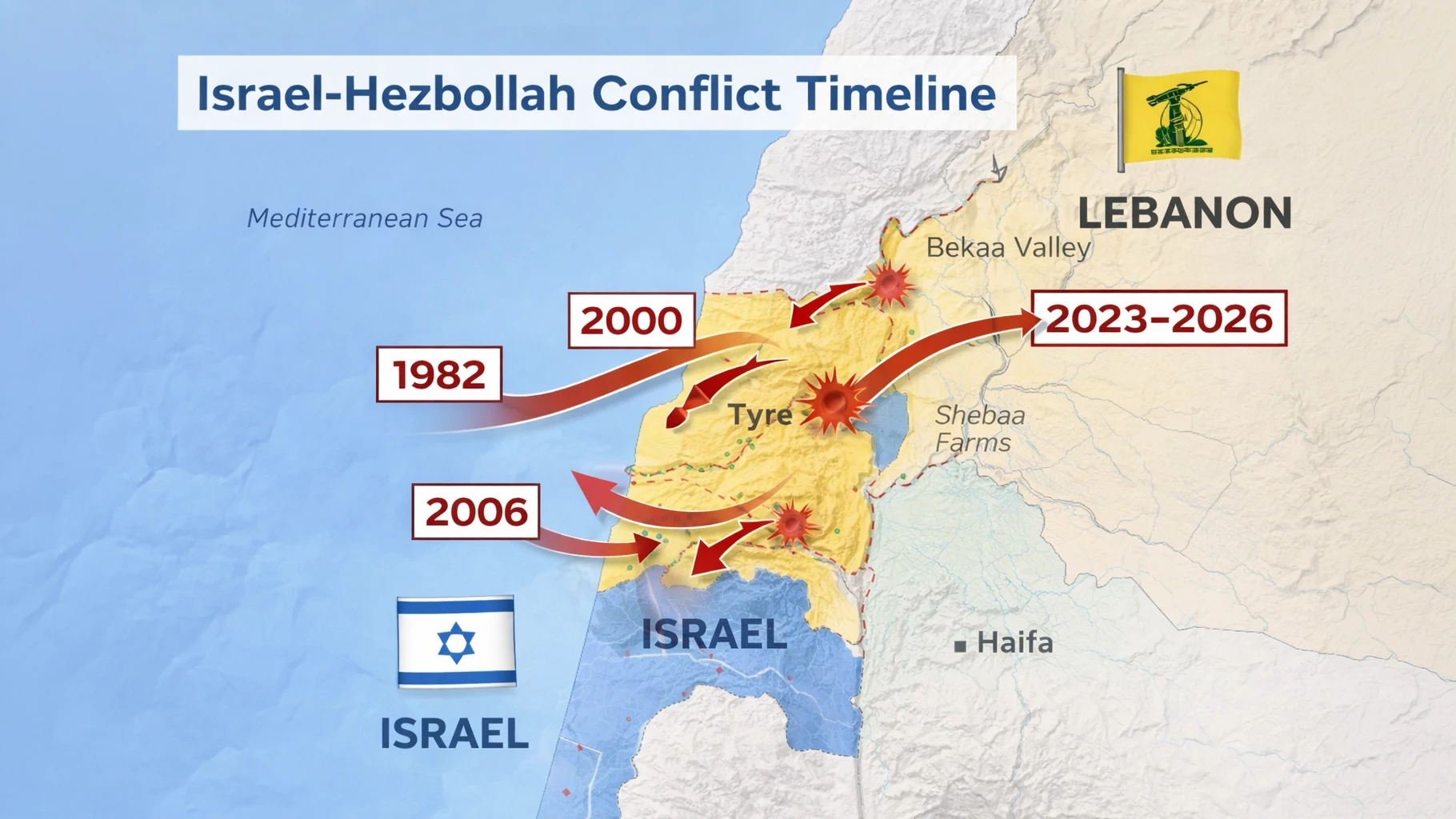
1982: Origins During Lebanon War
The roots of the conflict trace back to the 1982 Lebanon War, when Israel launched a military operation aimed at expelling the Palestine Liberation Organization (PLO) from southern Lebanon.
During the aftermath of the conflict and the Israeli presence in parts of Lebanon, Hezbollah emerged as a Shiite militant movement backed primarily by Iran and supported by Syria. The group positioned itself as a resistance force against Israeli military presence.

1990s: Guerrilla Warfare Along the Border
Throughout the 1990s, Hezbollah carried out a campaign of guerrilla attacks against Israeli troops and allied militias stationed in southern Lebanon.
The confrontation involved roadside bombings, rocket attacks and ambushes targeting Israeli forces. Israel responded with air strikes and artillery attacks on Hezbollah positions.
This period established Hezbollah as one of the most powerful non-state armed groups in the region.
2000: Israeli Withdrawal From Southern Lebanon
A major turning point came in May 2000, when Israel withdrew its troops from southern Lebanon after nearly two decades of military presence.
The withdrawal was widely viewed as a strategic victory for Hezbollah, which claimed its armed resistance forced Israel to leave. However, tensions along the border remained unresolved.
Disputes over areas such as the Shebaa Farms region, claimed by Lebanon but controlled by Israel, continued to fuel friction.
2006: Second Lebanon War
The most intense phase of the conflict occurred in July 2006, when Hezbollah fighters captured two Israeli soldiers during a cross-border raid.
Israel launched a large-scale military campaign in Lebanon, leading to a 34-day war involving air strikes, artillery attacks and rocket fire.
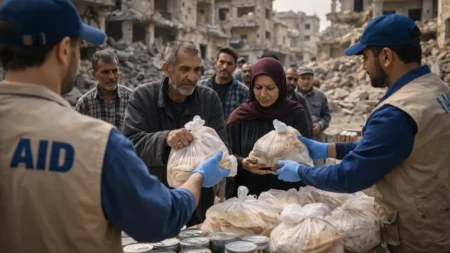
The conflict caused widespread destruction in Lebanon and displaced hundreds of thousands of civilians on both sides of the border. A United Nations-brokered ceasefire eventually ended the fighting.
2010s: Regional Tensions and Syrian War
During the 2010s, tensions between Israel and Hezbollah continued, though large-scale war was avoided.
Hezbollah’s involvement in the Syrian civil war alongside government forces significantly expanded its military capabilities and regional influence.
Israel, meanwhile, carried out periodic air strikes targeting weapons shipments believed to be destined for Hezbollah.
2023–2026: Renewed Border Escalations
Tensions intensified again following broader regional conflicts involving Israel and Palestinian armed groups.
Since late 2023, the Israel-Lebanon frontier has witnessed repeated exchanges of fire, including rocket attacks, drone strikes and artillery shelling.
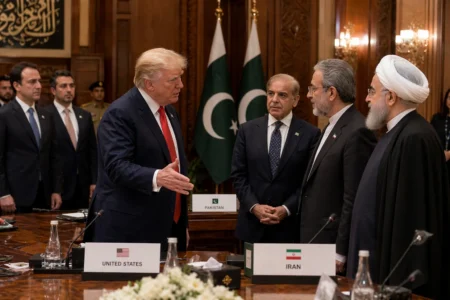
Both Israel and Hezbollah have accused each other of provoking the clashes, while international mediators have urged restraint to prevent a wider regional war.
Ongoing Impact on the Region
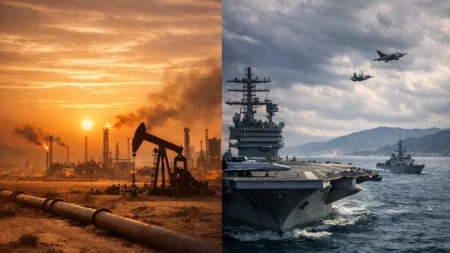
Security analysts say the Israel-Hezbollah confrontation remains one of the most sensitive flashpoints in the Middle East.
Hezbollah maintains a large arsenal of rockets and missiles, while Israel views the group as one of its most significant security threats.
Despite periods of relative calm, the risk of escalation persists, especially during times of heightened regional tension.
Diplomatic efforts led by the United Nations and other international actors continue to focus on preventing the conflict from expanding into a broader regional war.