Beijing, March 11 — China said on Wednesday that it does not agree with attacks on Gulf countries and condemned all indiscriminate strikes targeting civilians and non-military facilities, as tensions continue to rise across the Middle East.
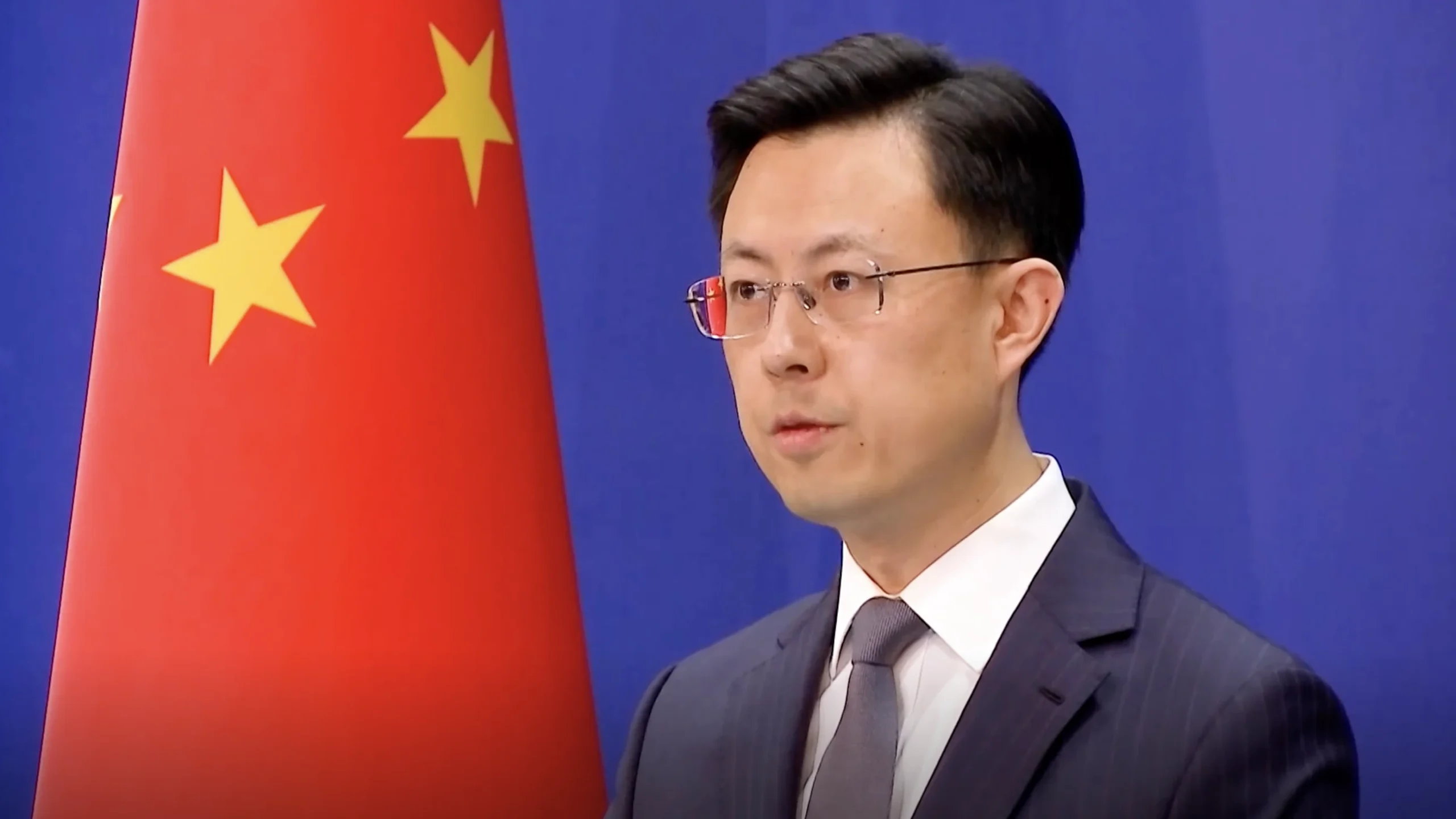
Speaking at a regular press briefing in Beijing, Chinese Foreign Ministry spokesperson Guo Jiakun said the country opposes violence that threatens civilian lives and critical infrastructure in the region. The remarks come amid an intensifying conflict linked to the ongoing confrontation involving Iran, Israel, and the United States.
Guo emphasized that China consistently supports efforts aimed at maintaining peace and stability in the Gulf and the wider Middle East. He reiterated that attacks affecting civilian populations or non-military targets are unacceptable and risk escalating an already volatile situation.
Rising regional tensions
The Chinese statement follows a series of retaliatory strikes across the Gulf after the United States and Israel launched military attacks on Iran in late February, killing several senior Iranian officials and triggering a broader regional confrontation. The conflict has since expanded, with missile and drone strikes reported in multiple Gulf countries and concerns about damage to energy facilities and civilian areas.
Iranian strikes have targeted locations in countries including Saudi Arabia and other Gulf states that host U.S. military installations. Regional governments have warned that continued attacks could provoke further retaliation and widen the conflict.
Saudi Arabia, for example, has warned Tehran that further strikes on its territory or energy infrastructure could trigger a direct response, while also signaling openness to diplomatic mediation to avoid escalation.
China pushes for diplomacy
Chinese officials have repeatedly called for de-escalation since the conflict intensified. Earlier this week, Foreign Minister Wang Yi urged all sides to pursue dialogue and respect the sovereignty and security of Gulf nations.
Beijing has also indicated that it intends to play a constructive diplomatic role. Chinese authorities recently announced plans to send a special envoy to the Middle East to promote mediation and encourage negotiations aimed at reducing tensions.
Analysts note that China has significant economic interests in the region, particularly in energy imports and maritime trade routes such as the Strait of Hormuz, making stability in the Gulf strategically important for Beijing.
Global concerns over escalation
The ongoing conflict has raised fears of wider instability across the Middle East, a region that accounts for a large share of global oil production and exports. Disruptions to shipping routes and energy infrastructure could have significant economic consequences worldwide.
Against this backdrop, China has continued to call for restraint from all parties and for the protection of civilian lives and essential infrastructure.
Diplomatic efforts by multiple countries are expected to continue in the coming days as international pressure mounts to prevent the conflict from spreading further across the region.