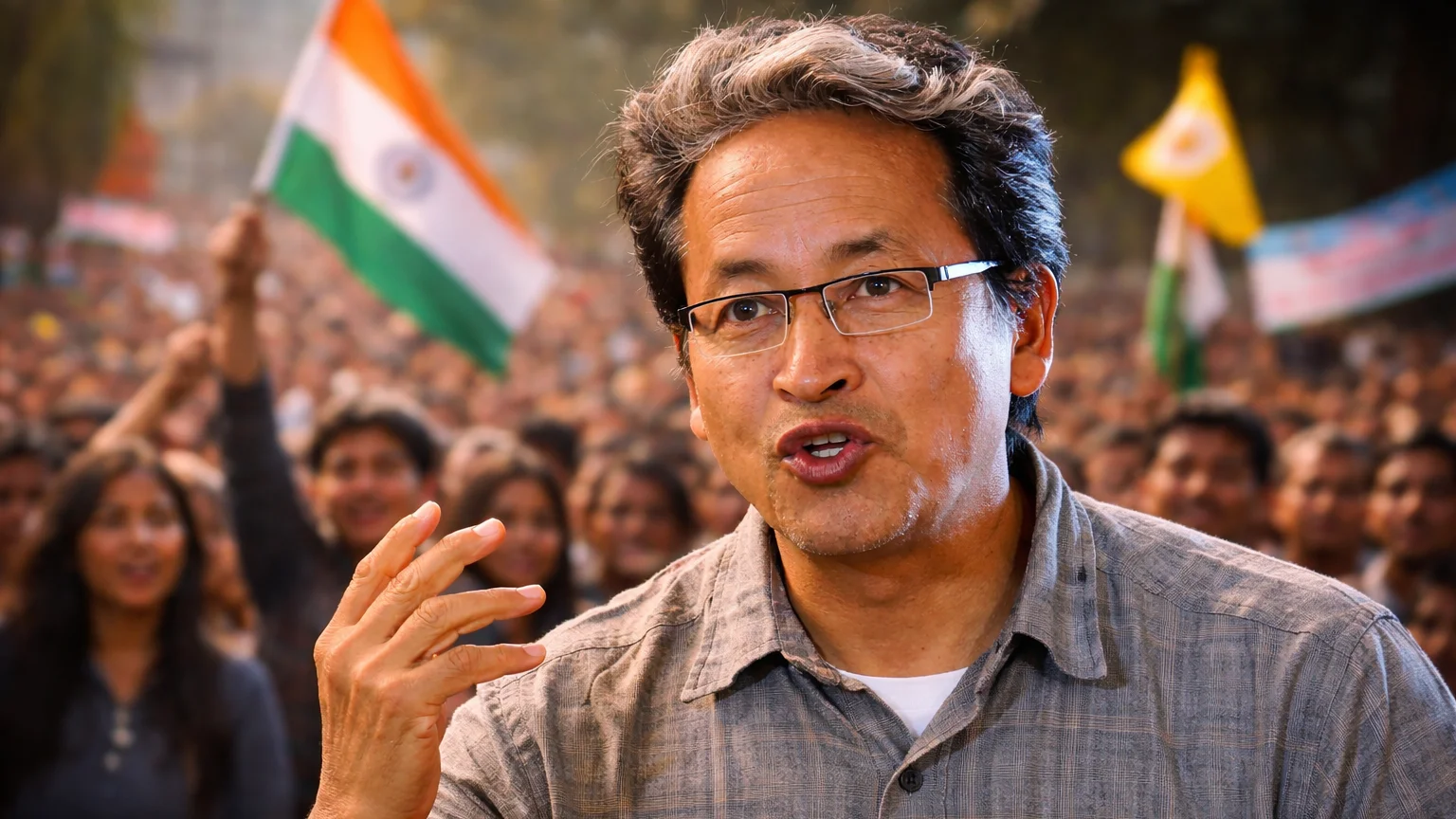
Leh/New Delhi, March 15 — Ladakh-based engineer and environmental campaigner Sonam Wangchuk has been released after spending about six months in detention linked to protests demanding constitutional safeguards and greater political representation for the Himalayan region.
Wangchuk, known nationally for his work on climate adaptation and education initiatives in Ladakh, had been detained during demonstrations connected to a movement seeking constitutional protection for the region’s land, culture and fragile ecosystem.
His release was confirmed by supporters and local civil society groups on Saturday. Activists said the development has been welcomed by people in Ladakh who have been campaigning for greater administrative and environmental protections.
Protests over Ladakh’s constitutional status
The protests in which Wangchuk participated were part of a broader movement pressing the central government to include Ladakh under the Sixth Schedule of the Constitution, which provides special governance provisions for certain tribal areas.
Local organisations argue that such protection would allow communities greater control over land use, environmental conservation and cultural preservation in the high-altitude region.
The demands gained momentum after Ladakh was separated from the former state of Jammu and Kashmir and made a Union Territory in 2019. While the move was welcomed by some groups, others have raised concerns about the absence of a legislative assembly and limited local decision-making powers.
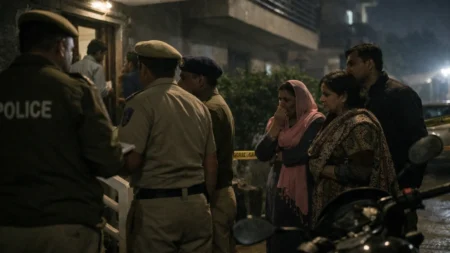
Authorities detained several activists during demonstrations related to these demands. Officials had earlier maintained that restrictions were imposed to maintain public order during the protests.
Known voice on Himalayan climate challenges
Wangchuk has emerged as a prominent voice on climate issues affecting the Himalayan region. He has often highlighted the risks posed by glacier retreat, water shortages and rapid infrastructure development in ecologically sensitive areas.
He is also the founder of the Students’ Educational and Cultural Movement of Ladakh (SECMOL), an organisation that promotes alternative education and sustainable technologies suited to cold desert conditions.
His work has attracted attention across India and internationally, particularly for innovative solutions such as artificial glaciers and solar-powered infrastructure designed for mountain communities.
Debate over Ladakh’s future governance
The campaign seeking constitutional safeguards for Ladakh continues to be a subject of political debate. Regional groups have urged the Centre to consider granting Sixth Schedule protection or other measures that would strengthen local participation in governance.
Observers say the issue is closely tied to concerns over environmental sustainability, economic development and cultural preservation in one of India’s most sensitive ecological regions.
For many supporters in Ladakh, Wangchuk’s release is seen as a moment that may reinvigorate ongoing dialogue over the region’s governance and environmental future.