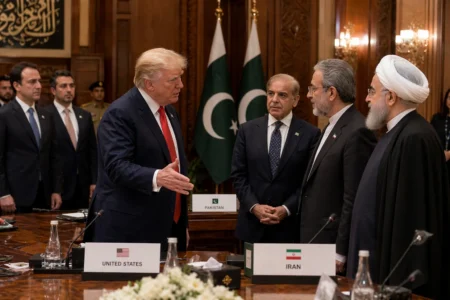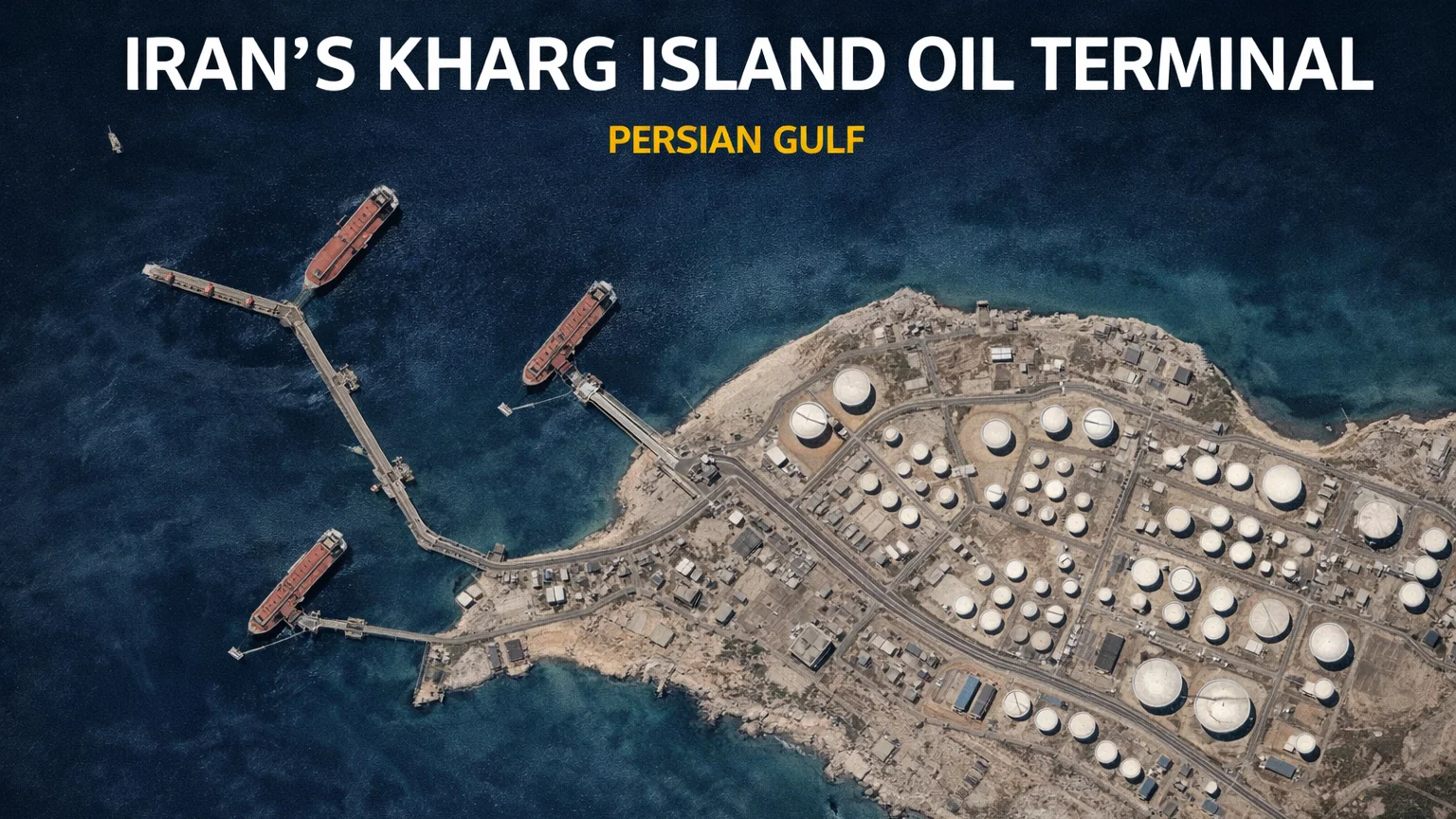
Washington/Tehran, March 15 — Former U.S. President Donald Trump has called on allied nations to help secure the strategically vital Strait of Hormuz, warning of risks to global shipping as tensions with Iran continue to escalate in the Gulf region.
The call comes amid heightened geopolitical strain following recent military exchanges and threats of retaliation between Iran and its adversaries. The Strait of Hormuz, a narrow maritime passage connecting the Persian Gulf to the Gulf of Oman, is one of the world’s most important oil transit routes.
Strategic waterway under scrutiny
The Strait of Hormuz handles a significant share of global oil shipments, with millions of barrels passing through the corridor daily. Any disruption to the route could have major implications for global energy markets and international trade.
Speaking about the situation, Trump urged U.S. partners and allies to contribute to maintaining maritime security in the region. He suggested that countries dependent on energy shipments through the strait should take a more active role in protecting the waterway.
Analysts note that safeguarding the passage has long been a priority for international naval forces, particularly during periods of heightened tensions in the Gulf.
Iran warns of retaliation
Meanwhile, Iranian officials signaled that the country could intensify retaliatory actions in response to recent developments. Tehran has repeatedly warned that it would respond firmly to what it describes as hostile measures against its interests.
Iran has previously threatened to disrupt shipping in the Strait of Hormuz during periods of confrontation with Western powers, although such threats have rarely translated into long-term blockades.
Regional observers say the rhetoric from both sides reflects the fragile security environment in the Gulf.
Global energy and security implications
Because of the Strait of Hormuz’s importance to global oil supply, any instability in the area often triggers concerns in international energy markets.
Countries including Saudi Arabia, Iraq, the United Arab Emirates and Kuwait rely heavily on the strait for exporting crude oil. A disruption could affect supply chains and lead to volatility in global oil prices.
Security analysts say the situation underscores the continuing strategic significance of the Gulf region and the delicate balance between diplomacy and military deterrence.
Ongoing diplomatic concerns
The latest developments come as international efforts continue to prevent further escalation in the region. Several countries have urged restraint and called for diplomatic engagement to avoid disruptions to global trade and energy flows.
Observers say the coming weeks will be crucial in determining whether tensions ease through negotiations or intensify amid continued military and political confrontation.