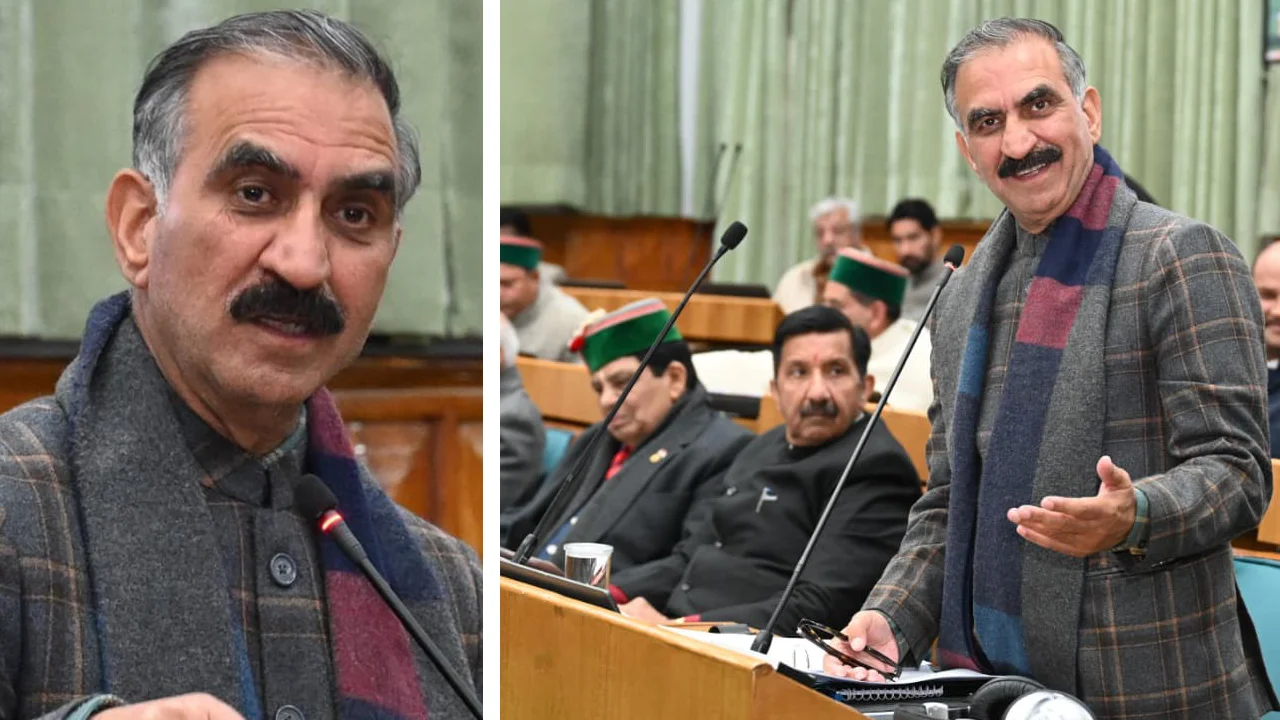
SHIMLA, March 19: The Himachal Pradesh government led by Chief Minister Sukhvinder Singh Sukhu has presented supplementary demands worth ₹40,461 crore in the state Assembly during the ongoing budget session, highlighting the state’s increasing fiscal obligations.
The additional demand reflects the gap between the original budget estimates and the actual expenditure requirements, particularly due to committed liabilities such as salaries, pensions and interest payments.
Officials indicated that supplementary demands are a routine financial exercise but the scale of this year’s demand underlines the pressure on state finances.
Major Spending Heads: Salaries, Pensions and Debt
A significant share of the ₹40,461 crore is expected to be utilised for committed expenditure, which includes government employee salaries, pensions, and repayment of loans along with interest.
Himachal Pradesh has one of the highest ratios of committed expenditure among Indian states, with a large portion of its revenue receipts already tied up in these obligations.
Data from recent financial reports indicates that over 60–65% of the state’s revenue is typically consumed by salaries, pensions, and interest liabilities, leaving limited fiscal space for capital expenditure.
Sector-Wise Allocations and Development Push
Apart from committed expenses, the supplementary demands also include allocations for key sectors such as healthcare, education, rural development, and infrastructure projects.
The government is expected to prioritise spending on improving public services, including strengthening primary healthcare facilities, upgrading schools, and supporting welfare schemes.
Officials said that additional funds may also be directed toward subsidies, social security schemes, and ongoing development works across districts.
Rising Debt and Fiscal Challenges
The move comes against the backdrop of Himachal Pradesh’s rising debt burden, which has been a key concern for policymakers.
Recent estimates suggest that the state’s total debt has crossed ₹80,000 crore, placing pressure on its fiscal sustainability.
Experts note that limited industrial base, geographical challenges, and dependence on central transfers contribute to the state’s financial constraints.
Political Context and Budget Session Developments
The supplementary demands were presented amid intense discussions in the Assembly, where opposition leaders raised concerns about fiscal management and rising liabilities.
The government, however, maintained that the additional demand is necessary to ensure continuity of services and fulfil its commitments to employees and the public.
The demands are expected to be approved during the ongoing session, enabling the government to meet its financial requirements for the current fiscal year.