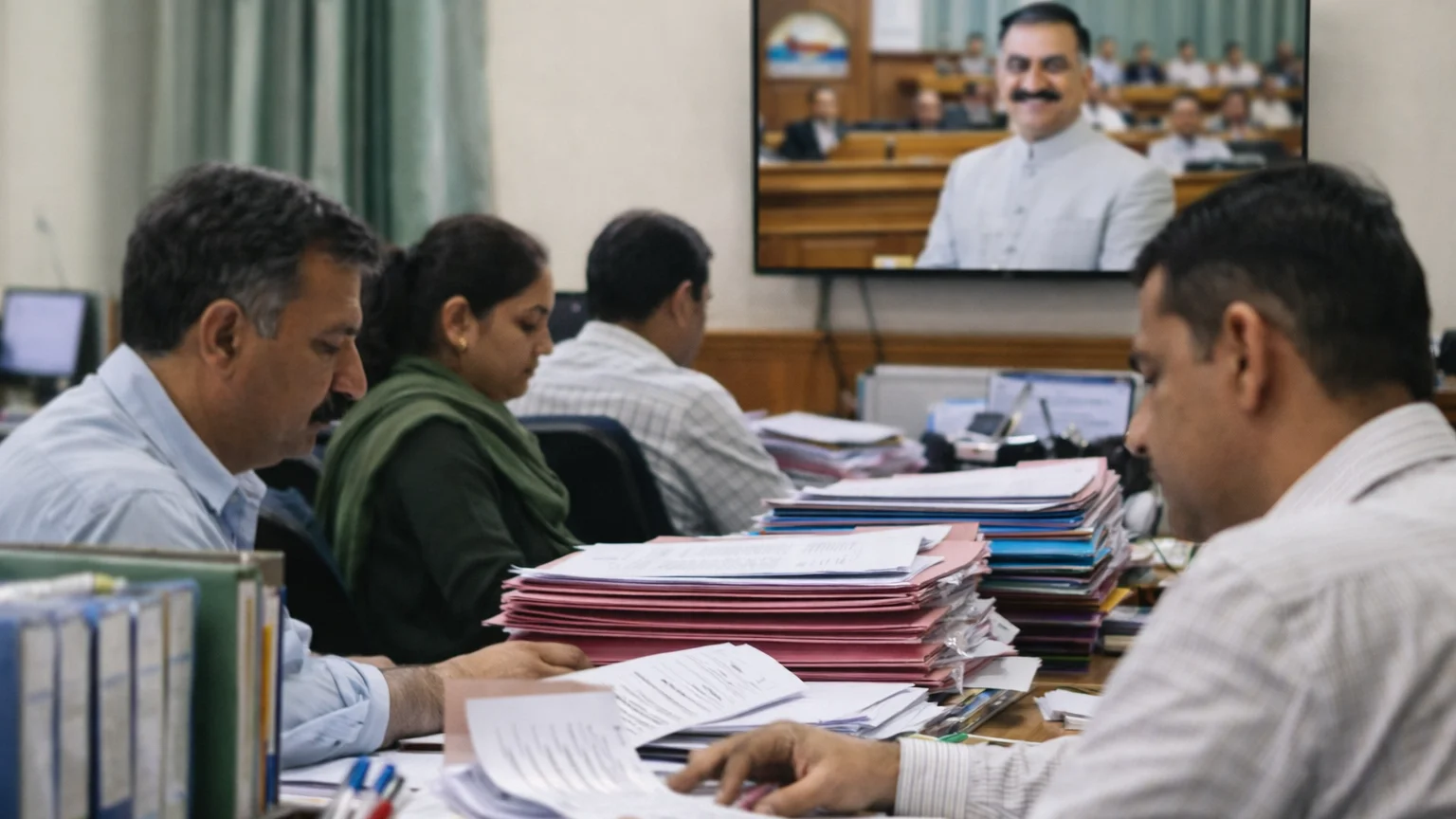
SHIMLA, March 22: The Himachal Pradesh Budget 2026–27 has sent mixed signals for government employees and pensioners, combining fiscal caution with selective relief measures as the state grapples with mounting financial pressure.
At the centre of the discussion is the state’s financial reality. With a total outlay of ₹54,928 crore and a projected revenue deficit of ₹6,577 crore, the government has made it clear that managing salaries, pensions and debt repayments will remain a major challenge this year.
Salary deferment sends a strong signal
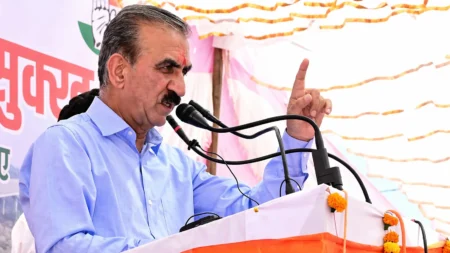
One of the most talked-about announcements in the budget is the temporary deferment of salaries of top officials. Chief Minister Sukhvinder Singh Sukhu announced that 50% of his salary, around 30% of ministers’ salaries, and 20% of MLAs’ salaries will be deferred for six months.
While this move is largely symbolic in financial terms, it carries a clear message — the state is under fiscal stress and austerity measures are necessary.
However, for regular government employees, there has been no direct salary cut or deferment announced so far, which comes as a relief.
DA and salary expectations remain uncertain
Dearness Allowance (DA) continues to be one of the biggest concerns among employees. The budget does not clearly announce a fresh DA hike, indicating that the government may adopt a cautious approach in the coming months.
Employees are closely watching whether the state will align DA increases with central government rates. Given the financial constraints, any revision may be delayed or implemented in phases.
This uncertainty could impact morale, especially at a time when inflation remains a concern.
Pension burden remains a key pressure point
Himachal Pradesh continues to face a heavy pension burden, which, along with salaries and interest payments, consumes a significant portion of the budget.
With the total debt of the state estimated to be over ₹80,000 crore, the government has limited flexibility to introduce large-scale financial benefits for employees and pensioners.
There has been no major structural reform announced in the pension system in this budget, which means the existing framework will continue.
Job creation vs financial limitations
The budget does include employment-related measures, such as the recruitment of 870 Physical Education Teachers on a monthly remuneration of ₹21,500.
While this provides some opportunity for youth entering the government system, it does not significantly change the broader employment landscape.
Employees’ unions are likely to push for more regular recruitment and filling of vacant posts in departments like education and health.
Welfare vs fiscal discipline
The Sukhu government has attempted to strike a balance between employee expectations and fiscal discipline.
On one hand, there is no major rollback of benefits. On the other, there are no large-scale financial incentives either.
The focus appears to be on maintaining stability rather than expanding expenditure.
What employees should expect next
For government employees and pensioners, the coming months will be crucial. Key areas to watch include:
• Possible DA revisions
• Timelines for pending payments
• Recruitment notifications
• Policy decisions on pension sustainability
The budget has made one thing clear — financial caution will define policy decisions in 2026.