GENEVA, March 22: The United Nations has warned that the escalating conflict in the Middle East could trigger the worst global humanitarian crisis since the Covid-19 pandemic, as aid systems face unprecedented pressure.
According to UN officials, ongoing tensions and military escalations in the region are not only affecting local populations but also disrupting global humanitarian operations, supply chains and funding mechanisms.
Growing strain on global aid systems
The UN has expressed concern that humanitarian agencies are already overstretched following years of crises, including the Covid pandemic, climate disasters and ongoing conflicts in multiple regions. A major escalation in the Middle East could push these systems beyond their limits.
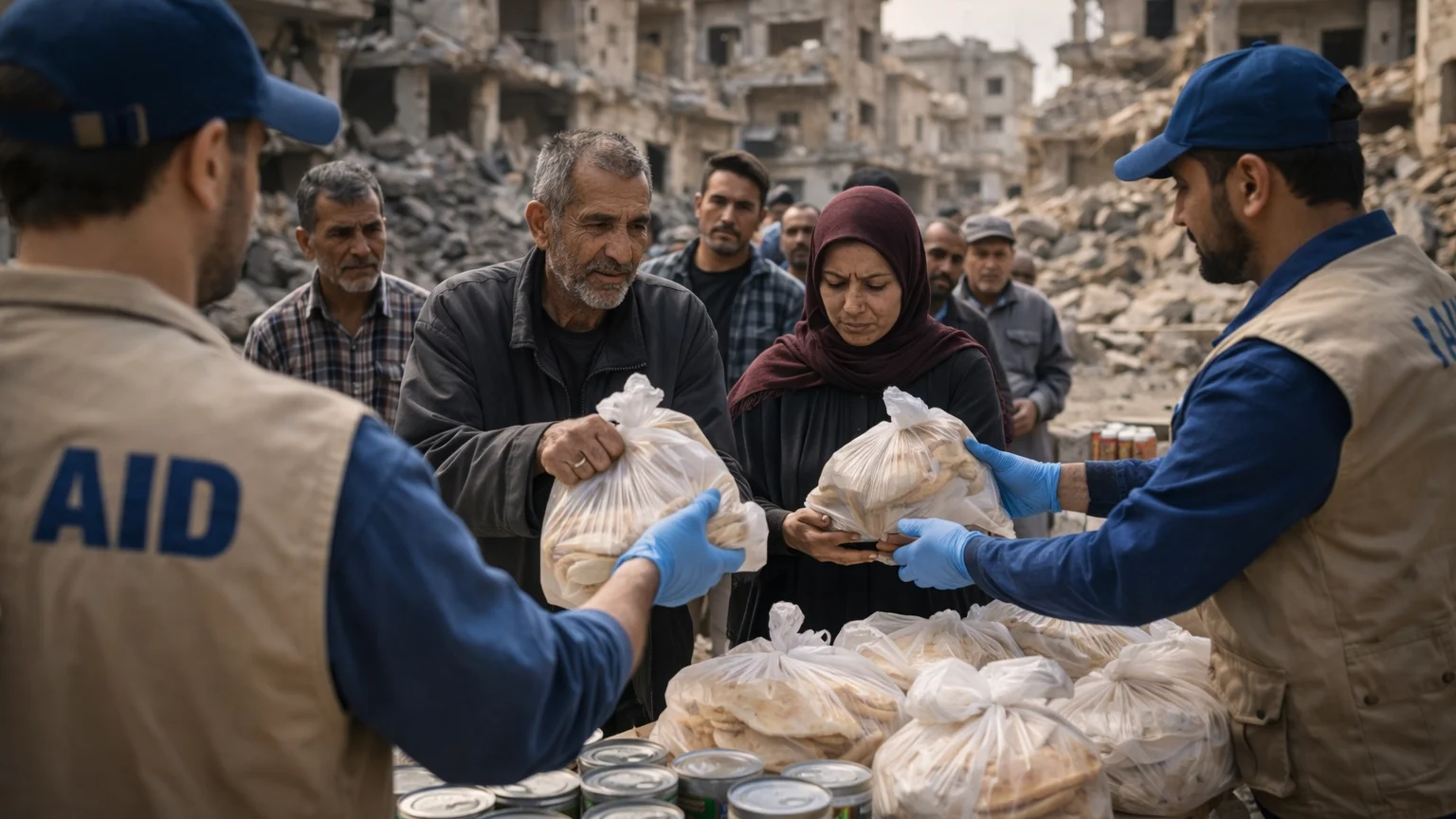
Millions of people across affected regions are at risk of displacement, food insecurity and lack of access to healthcare. Aid agencies warn that existing resources may not be sufficient to handle a large-scale emergency.
Food, healthcare and displacement risks
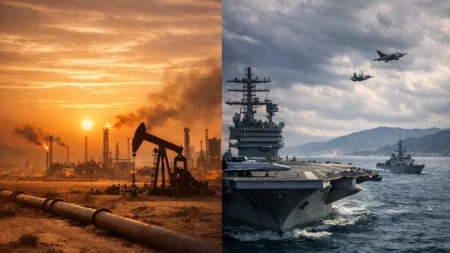
The Middle East is a critical region for global energy and trade, but it is also home to several vulnerable populations dependent on humanitarian aid. Any disruption in aid delivery routes could have immediate consequences.
UN agencies highlighted that food supply chains are particularly at risk, which could lead to rising hunger levels in already fragile regions. Healthcare services, many of which rely on international support, may also be disrupted.
In addition, there are growing concerns about large-scale displacement if the conflict intensifies, potentially leading to a refugee crisis affecting neighbouring countries.
Funding challenges and donor fatigue
Another major concern is funding. The UN noted that global donor fatigue has already set in after multiple crises in recent years. A new large-scale emergency would require significant financial resources, which may be difficult to mobilise quickly.
Aid agencies are calling for urgent international cooperation to ensure that humanitarian assistance continues uninterrupted.
Ripple effects beyond the region
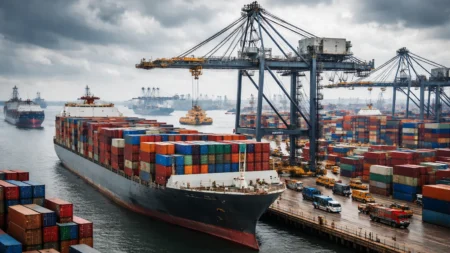
The impact of a prolonged conflict would not be limited to the Middle East. Experts warn of global consequences, including rising food prices, energy market volatility and increased migration pressures.
Developing countries that rely on imports of food and fuel could face severe economic stress, further compounding the humanitarian situation.
Urgent call for de-escalation
The United Nations has urged all parties involved to prioritise de-escalation and diplomatic solutions to prevent a worsening crisis. Officials stressed that timely action could significantly reduce the scale of humanitarian impact.
As the situation evolves, global agencies are closely monitoring developments and preparing contingency plans to respond to potential emergencies.